English
- English
- Esperanto
- Afrikaans
- Català
- שפה עברית
- Cymraeg
- Galego
- Latviešu
- icelandic
- ייִדיש
- беларускі
- Hrvatski
- Kreyòl ayisyen
- Shqiptar
- Malti
- lugha ya Kiswahili
- አማርኛ
- Bosanski
- Frysk
- ភាសាខ្មែរ
- ქართული
- ગુજરાતી
- Hausa
- Кыргыз тили
- ಕನ್ನಡ
- Corsa
- Kurdî
- മലയാളം
- Maori
- Монгол хэл
- Hmong
- IsiXhosa
- Zulu
- Yoruba
- অসমীয়া
- ଓଡିଆ
- Punjabi
- پښتو
- Chichewa
- Samoa
- Sesotho
- සිංහල
- Gàidhlig
- Cebuano
- Somali
- Тоҷикӣ
- O'zbek
- Hawaiian
- سنڌي
- Shinra
- Հայերեն
- Igbo
- Sundanese
- Lëtzebuergesch
- Malagasy
- Español
- Português
- русский
- Français
- 日本語
- Deutsch
- tiếng Việt
- Italiano
- Nederlands
- ภาษาไทย
- Polski
- 한국어
- Svenska
- magyar
- Malay
- বাংলা ভাষার
- Dansk
- Suomi
- हिन्दी
- Pilipino
- Türkçe
- Gaeilge
- العربية
- Indonesia
- Norsk
- تمل
- český
- ελληνικά
- український
- Javanese
- فارسی
- தமிழ்
- తెలుగు
- नेपाली
- Burmese
- български
- ລາວ
- Latine
- Қазақша
- Euskal
- Azərbaycan
- Slovenský jazyk
- Македонски
- Lietuvos
- Eesti Keel
- Română
- Slovenski
- मराठी
- Srpski језик

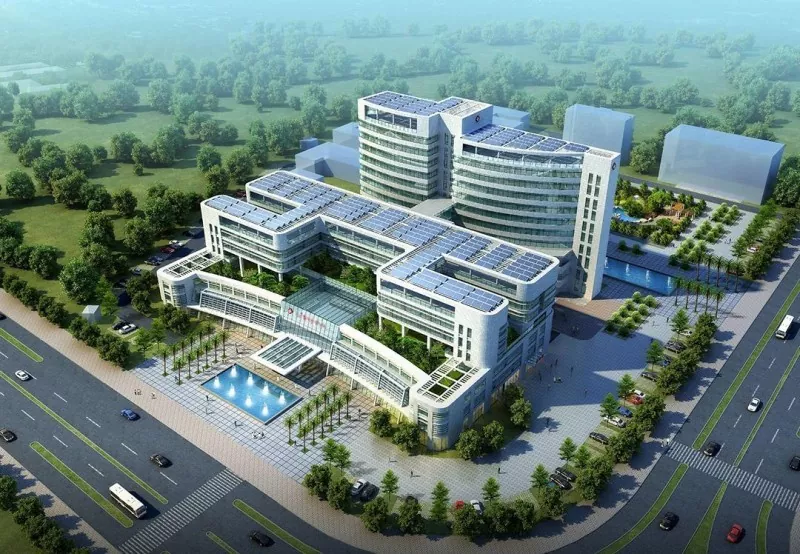
What Are the Six Core Technologies for Steel-Structured Hospitals?
In the previous issue, we introduced the first three of the six core construction technologies for steel structure hospitals. The installation technology of self-positioning stud-free rigid connection joints for steel structure modules breaks the height limitation of modular buildings; the ground modular assembly technology for tree-shaped column canopy steel structures addresses the difficulties in high-altitude assembly of special-shaped components; and the combined installation technology of buckling-restrained braces and viscous dampers improves the seismic performance of hospital buildings. This issue continues the series covering the six major construction technologies for steel structure hospitals, elaborating on the modular installation technology of comprehensive electromechanical pipelines, the rapid installation technology of prefabricated machine rooms, and the full-process digital traceability technology for steel components.
Modular Installation Technology for Integrated Electromechanical Pipelines
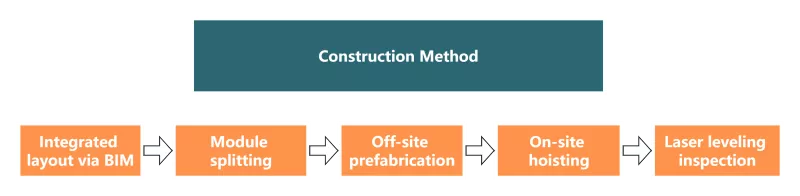
Modular installation technology for integrated electromechanical pipelines adopts BIM detailed design to split pipelines into prefabricated modules for integral hoisting. The assembly modules mainly consist of HVAC systems, medical gas pipelines, strong and weak electricity systems, fire sprinkler systems, air purification ducts and logistics transmission systems. This technology helps steadily maintain a minimum clear height of more than 2.8 meters in corridors on operating floors, greatly reduces the impact of construction on the hospital's clean environment, enables synchronous construction with the main steel structure, and shortens the construction period of electromechanical works.
Rapid Installation Technology of Prefabricated Machine Rooms
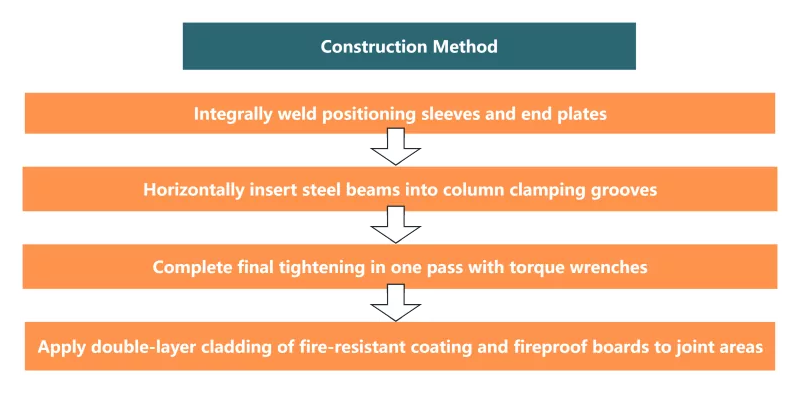
The rapid installation technology of prefabricated machine rooms adopts the mode of "modular prefabrication plus on-site bolt connection" to realize the rapid assembly of electromechanical systems such as hospital cold and heat source machine rooms, domestic water pump rooms and fire pump rooms. A standard refrigeration machine room only takes 7 to 10 days from mobilization to water supply, with no on-site welding, cutting or massive construction waste. Off-site prefabrication improves construction quality stability, and the disassembly and assembly of modular units causes minimal interference to original hospital operations.
Full-process Digital Traceability Technology for Steel Components
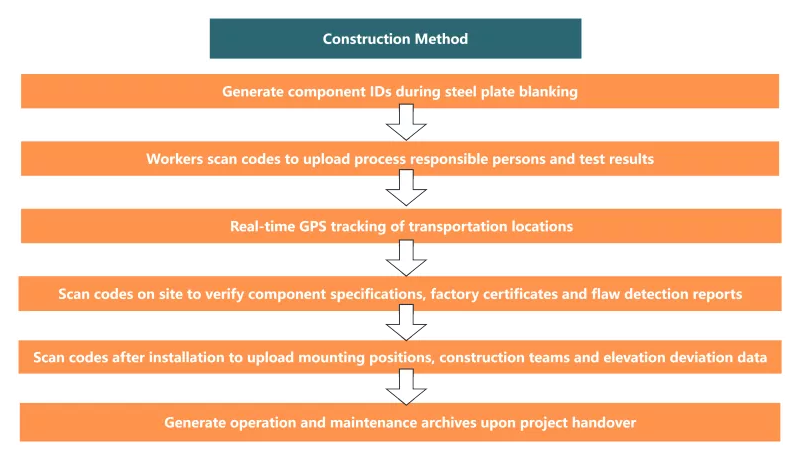
The full-process digital traceability technology for steel components is a full-process digital control technology that assigns unique identification marks to steel components. It can effectively trace quality defects of components, realize visualized installation progress and digitalized operation and maintenance assets. Meanwhile, all data is recorded throughout the whole process, which can meet the high-standard requirements of infrastructure audit.
In the engineering practice of steel structure hospital projects, these six technologies cover core control links in the construction of steel structure hospitals including construction efficiency, seismic safety, joint precision, electromechanical assembly and project management. As an advanced innovative solution for current steel structure construction, they have been verified in practical engineering projects.
As a professional steel structure manufacturer integrating R&D, manufacturing and installation, EHSS keeps track of industry trends, maintains a proactive mindset, learns advanced industry experience and enhances its technical strength. For more information, please follow EHSS.
Related News
- How to Select the Appropriate Size for a Steel Frame Horse Stable Construction?
- On-Site Steel Structure Assembly + Integral Hoisting Construction Workflow + Key Considerations
- Why Choose a Double Layer Prefab Steel Frame House Construction for Modern Living?
- Nine Key Points for the Design and Construction of Steel Structure Factory Buildings
- How Can Steel Structure Chicken Shed Construction Improve the Management of Poultry Farms?
- "Locomotive-Style" Industrial Buildings: Should the 3-Story Office Be Steel or Concrete?
Leave me a message