English
- English
- Esperanto
- Afrikaans
- Català
- שפה עברית
- Cymraeg
- Galego
- Latviešu
- icelandic
- ייִדיש
- беларускі
- Hrvatski
- Kreyòl ayisyen
- Shqiptar
- Malti
- lugha ya Kiswahili
- አማርኛ
- Bosanski
- Frysk
- ភាសាខ្មែរ
- ქართული
- ગુજરાતી
- Hausa
- Кыргыз тили
- ಕನ್ನಡ
- Corsa
- Kurdî
- മലയാളം
- Maori
- Монгол хэл
- Hmong
- IsiXhosa
- Zulu
- Yoruba
- অসমীয়া
- ଓଡିଆ
- Punjabi
- پښتو
- Chichewa
- Samoa
- Sesotho
- සිංහල
- Gàidhlig
- Cebuano
- Somali
- Тоҷикӣ
- O'zbek
- Hawaiian
- سنڌي
- Shinra
- Հայերեն
- Igbo
- Sundanese
- Lëtzebuergesch
- Malagasy
- Español
- Português
- русский
- Français
- 日本語
- Deutsch
- tiếng Việt
- Italiano
- Nederlands
- ภาษาไทย
- Polski
- 한국어
- Svenska
- magyar
- Malay
- বাংলা ভাষার
- Dansk
- Suomi
- हिन्दी
- Pilipino
- Türkçe
- Gaeilge
- العربية
- Indonesia
- Norsk
- تمل
- český
- ελληνικά
- український
- Javanese
- فارسی
- தமிழ்
- తెలుగు
- नेपाली
- Burmese
- български
- ລາວ
- Latine
- Қазақша
- Euskal
- Azərbaycan
- Slovenský jazyk
- Македонски
- Lietuvos
- Eesti Keel
- Română
- Slovenski
- मराठी
- Srpski језик

Why Is a Metal Restaurant Building Replacing Traditional Restaurant Construction?
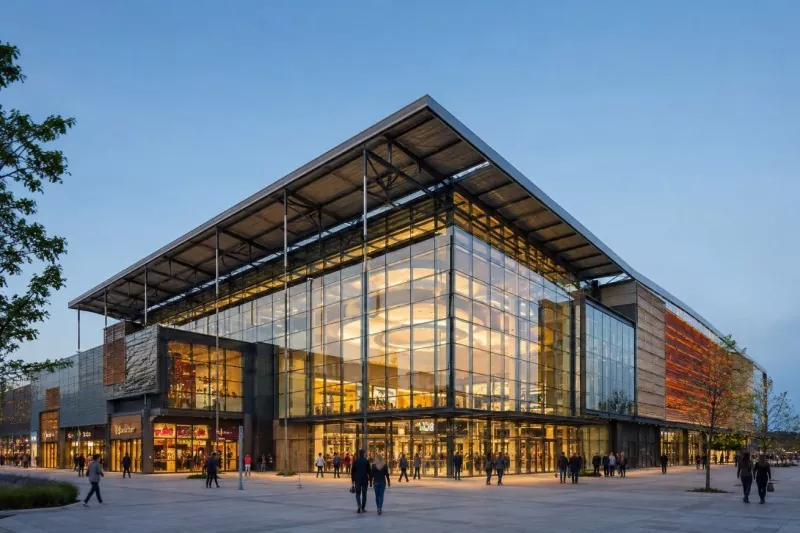
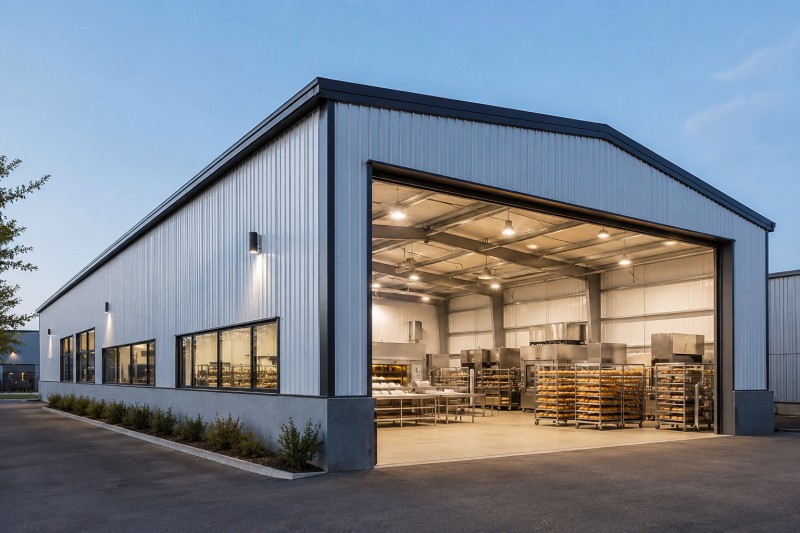
A Metal Restaurant Building has become one of the fastest-growing construction solutions for modern dining businesses, combining speed, durability, and design flexibility. From fast-casual chains to high-end standalone restaurants, metal structures are redefining how restaurant spaces are built, expanded, and optimized for long-term success.

What Is the Abstract of a Metal Restaurant Building?
This article provides a comprehensive analysis of Metal Restaurant Buildings, covering structural characteristics, cost efficiency, advantages and disadvantages, real-world applications, and best practices. Drawing on industry experience from Qingdao Eihe Steel Structure Group Co., Ltd., this guide helps investors, architects, and restaurant owners determine whether metal construction aligns with their operational and branding goals.
Table of Contents
- What Is a Metal Restaurant Building?
- What Keyword Variations Expand the Meaning of Metal Restaurant Building?
- How Is a Metal Restaurant Building Structurally Designed?
- Why Are Metal Restaurant Buildings Increasingly Popular?
- What Are the Disadvantages of a Metal Restaurant Building?
- How Does a Metal Restaurant Building Compare with Traditional Construction?
- Where Are Metal Restaurant Buildings Commonly Used?
- Why Work with Qingdao Eihe Steel Structure Group Co., Ltd.?
- Frequently Asked Questions About Metal Restaurant Buildings
What Is a Metal Restaurant Building?
A Metal Restaurant Building is a commercial dining facility constructed primarily using steel frames and metal components. These buildings are engineered for strength, flexibility, and fast assembly while allowing full customization of interior layouts and exterior aesthetics.
Unlike traditional masonry or concrete structures, metal restaurant buildings are prefabricated, transported to the site, and assembled efficiently, significantly reducing construction timelines and labor costs.
What Keyword Variations Expand the Meaning of Metal Restaurant Building?
- Steel restaurant building
- Prefabricated metal restaurant
- Commercial steel dining building
- Metal frame restaurant structure
- Pre-engineered restaurant building
These keyword variations help broaden search visibility and accurately reflect different use cases and design approaches within the metal restaurant construction industry.
How Is a Metal Restaurant Building Structurally Designed?
A Metal Restaurant Building typically consists of the following core components:
| Component | Function |
|---|---|
| Steel Frame | Primary load-bearing structure ensuring stability and safety |
| Roof System | Provides weather resistance and thermal insulation |
| Wall Panels | Enclosure, insulation, and aesthetic customization |
| Floor System | Supports heavy kitchen equipment and high foot traffic |
Why Are Metal Restaurant Buildings Increasingly Popular?
Metal Restaurant Buildings offer multiple competitive advantages for restaurant owners and developers:
- Fast Construction: Prefabrication shortens project timelines by up to 40%
- Cost Efficiency: Reduced labor and material waste
- Design Flexibility: Open spans allow creative layouts
- Durability: Steel resists fire, pests, and extreme weather
- Sustainability: Steel is recyclable and eco-friendly
According to project experience from Qingdao Eihe Steel Structure Group Co., Ltd., metal restaurant buildings consistently outperform traditional structures in lifecycle cost efficiency.
What Are the Disadvantages of a Metal Restaurant Building?
Despite their strengths, metal restaurant buildings also present challenges:
- Thermal Conductivity: Requires proper insulation to manage temperature
- Acoustic Control: Soundproofing is essential for dining comfort
- Initial Design Expertise: Requires professional steel structure engineers
Working with an experienced manufacturer like Qingdao Eihe Steel Structure Group Co., Ltd. helps mitigate these limitations through optimized engineering solutions.
How Does a Metal Restaurant Building Compare with Traditional Construction?
| Factor | Metal Restaurant Building | Traditional Construction |
|---|---|---|
| Construction Speed | Fast | Slow |
| Cost Control | High predictability | Variable |
| Design Flexibility | Excellent | Limited |
| Maintenance | Low | Moderate to High |
Where Are Metal Restaurant Buildings Commonly Used?
Metal Restaurant Buildings are widely used in:
- Fast food and franchise restaurants
- Standalone casual dining establishments
- Food courts and commercial plazas
- Temporary or seasonal dining venues
Their modular nature allows restaurants to expand or relocate with minimal disruption.
Why Choose Qingdao Eihe Steel Structure Group Co., Ltd.?
Qingdao Eihe Steel Structure Group Co., Ltd. is a trusted manufacturer specializing in commercial steel buildings with extensive experience in restaurant projects worldwide.
- Integrated design, fabrication, and installation services
- Strict quality control and international standards compliance
- Customized solutions tailored to restaurant operations
Learn more about steel construction expertise through our metal building solutions.
Frequently Asked Questions About Metal Restaurant Buildings
Q: What makes a Metal Restaurant Building suitable for food service operations?
A: Its open-span design supports flexible kitchen layouts, heavy equipment loads, and efficient customer flow.
Q: How long does it take to build a Metal Restaurant Building?
A: Most projects can be completed 30–50% faster than traditional construction due to prefabrication.
Q: Are Metal Restaurant Buildings energy-efficient?
A: Yes, with proper insulation systems, they achieve excellent thermal performance and energy savings.
Q: Can a Metal Restaurant Building match brand aesthetics?
A: Absolutely, exterior cladding, colors, and interior finishes are fully customizable.
Q: Who should supply a Metal Restaurant Building?
A: Partnering with experienced manufacturers like Qingdao Eihe Steel Structure Group Co., Ltd. ensures structural safety and compliance.
Related News
- Can Prefabricated Expandable Container House Meet Modern Living Needs?
- What Are the Main Types of Steel Structure Systems for Buildings?
- How Can Prefabricated Steel Frame Livestock Building Construction Meet the Demands of Modern Livestock Farming?
- Which Factors Shape Successful Steel Frame Comprehensive Office Building Construction?
- How to reasonably plan the clean production areas in a Steel structure semiconductor production workshop construction?
- How to Choose C and Z Purlins for Steel Structure Warehouses?
Leave me a message
New Products

News Recommendations