English
- English
- Esperanto
- Afrikaans
- Català
- שפה עברית
- Cymraeg
- Galego
- Latviešu
- icelandic
- ייִדיש
- беларускі
- Hrvatski
- Kreyòl ayisyen
- Shqiptar
- Malti
- lugha ya Kiswahili
- አማርኛ
- Bosanski
- Frysk
- ភាសាខ្មែរ
- ქართული
- ગુજરાતી
- Hausa
- Кыргыз тили
- ಕನ್ನಡ
- Corsa
- Kurdî
- മലയാളം
- Maori
- Монгол хэл
- Hmong
- IsiXhosa
- Zulu
- Yoruba
- অসমীয়া
- ଓଡିଆ
- Punjabi
- پښتو
- Chichewa
- Samoa
- Sesotho
- සිංහල
- Gàidhlig
- Cebuano
- Somali
- Тоҷикӣ
- O'zbek
- Hawaiian
- سنڌي
- Shinra
- Հայերեն
- Igbo
- Sundanese
- Lëtzebuergesch
- Malagasy
- Español
- Português
- русский
- Français
- 日本語
- Deutsch
- tiếng Việt
- Italiano
- Nederlands
- ภาษาไทย
- Polski
- 한국어
- Svenska
- magyar
- Malay
- বাংলা ভাষার
- Dansk
- Suomi
- हिन्दी
- Pilipino
- Türkçe
- Gaeilge
- العربية
- Indonesia
- Norsk
- تمل
- český
- ελληνικά
- український
- Javanese
- فارسی
- தமிழ்
- తెలుగు
- नेपाली
- Burmese
- български
- ລາວ
- Latine
- Қазақша
- Euskal
- Azərbaycan
- Slovenský jazyk
- Македонски
- Lietuvos
- Eesti Keel
- Română
- Slovenski
- मराठी
- Srpski језик

China Steel Structure Stadium Manufacturer and Factory
EIHE STEEL STRUCTURE is a manufacturer of different types of steel structure buildings, we can build steel structure stadium for you, contact us without hesitation to start a new project.
Compared with traditional concrete structures, steel structure stadiums have advantages such as large space, earthquake resistance, short construction period and environmental friendliness. The emergence of steel structures has enabled stadiums to no longer rely on heavy concrete columns as the main support, but instead use steel with smaller cross-sections and greater rigidity for weight support. This not only opens up space but also enhances stability. The factory prefabrication and on-site assembly methods also accelerate the completion time of buildings, saving labor and time costs.
What are Steel Structure Stadiums?
A steel structure stadium is a building mainly made of steel. Its main frame is composed of steel beams and steel columns connected to each other. The connection methods are bolt connection or welding. These two connection methods make the structure more stable. Its application scope is extensive. Whether it is a small sports venue or a large comprehensive stadium, steel structure is the preferred solution for modern stadium construction. There are many steel structure stadium buildings in the world, such as the National Stadium in Beijing, Wembley Stadium in London, and Allianz Arena in Munich, etc.
Product Types
There are many types of steel structure stadiums, usually including grid structure, truss structure, cable-membrane structure and arch structure.
A stadium with a grid structure as its main structure refers to a structure where many members are connected to the main frame. The structure of this type of building resembles the shape of a "cage", with more members providing greater rigidity and more reasonable force distribution, making it suitable for large-span buildings. For instance, the Beijing Workers' Stadium adopts this structural type.
A stadium with truss structure as the main structure refers to a structure in which tie rods are connected between steel beams to form triangular units. This type of structure has flexible design shapes and can create an appearance with rich curved surface tension. For example, the National Stadium in Beijing
A stadium with a cable-membrane structure as the main structure refers to a structure that uses steel cable nets and members as supports, and then covers the structure with tensioned membranes. This design is more modern and fashionable, and can reduce the load-bearing pressure on the structure. For example, the Allianz Arena in Germany.
The stadiums with the arch structure as the main structure utilizes the mechanical properties of the arch to convert the load into axial pressure, achieving a large-span structural type. This structural type can realize a stadium with a large span, multiple curves, and a sense of power and beauty. For instance, Wembley Stadium in London, Bailu Stadium in Xiamen, etc.
Product Details
As a large-scale steel structure building, the design plan and construction process of a steel structure stadium are of great significance. It is necessary to ensure the safety, stability and aesthetic appeal of the building. Before the construction of a steel structure stadium, the design team must first understand the client's construction requirements to determine the appropriate form and layout of the steel structure, and then conduct simulation analysis to ensure the accuracy of the structural components.
The second step is that all components are processed in the factory into the shapes designed in the drawings, and then paint and fireproof coatings are sprayed on the surfaces of all profiles to ensure the fire safety of the building. The prefabricated steel structure components in the factory will be transported to the construction site for installation, and large equipment such as cranes will be used to assist in the installation to ensure the accuracy and stability of the structure.
The third step is to install the wall panels and roof panels of the structure. The material of the wall panels is usually thickened metal wall panel material, which can achieve the effect of thermal insulation and heat preservation. The panels are closely joined together with special rivets and sealant to prevent water leakage.
Finally, after the main structure itself is installed, the functional facilities of the stadium, such as the lighting system, ventilation system, fire escape routes, spectator stands, etc., can be installed.
Product Advantages
The tensile and compressive strength of steel is much higher than that of traditional materials such as concrete. When bearing the same load, steel structure components can be made lighter and exert less pressure on the foundation.
The stadium utilizes structural forms such as trusses, grid structures, arches, and cable-membrane structures. The steel structure can easily span hundreds of meters without any column support in the middle. This can diversify the stadium design and offer the audience a better view of the game.
Steel structure sports venues are simpler, more efficient and faster to expand or dismantle than concrete structures.
All components are fabricated and produced in the factory, which can be carried out simultaneously with the foundation work on the construction site and will not be affected by the weather, thus shortening the construction period.
The surface of the steel structure is sprayed with thickened fireproof and anti-corrosion coatings, which can meet the fire resistance limit requirements of buildings and prevent the structure from rusting and affecting its use.
Steel is a new type of green and environmentally friendly building material. When the steel structure stadium reaches its service life, the steel can be disassembled for recycling and reuse. Moreover, the components are constructed in the factory, which will not cause pollution to the construction environment.

- View as
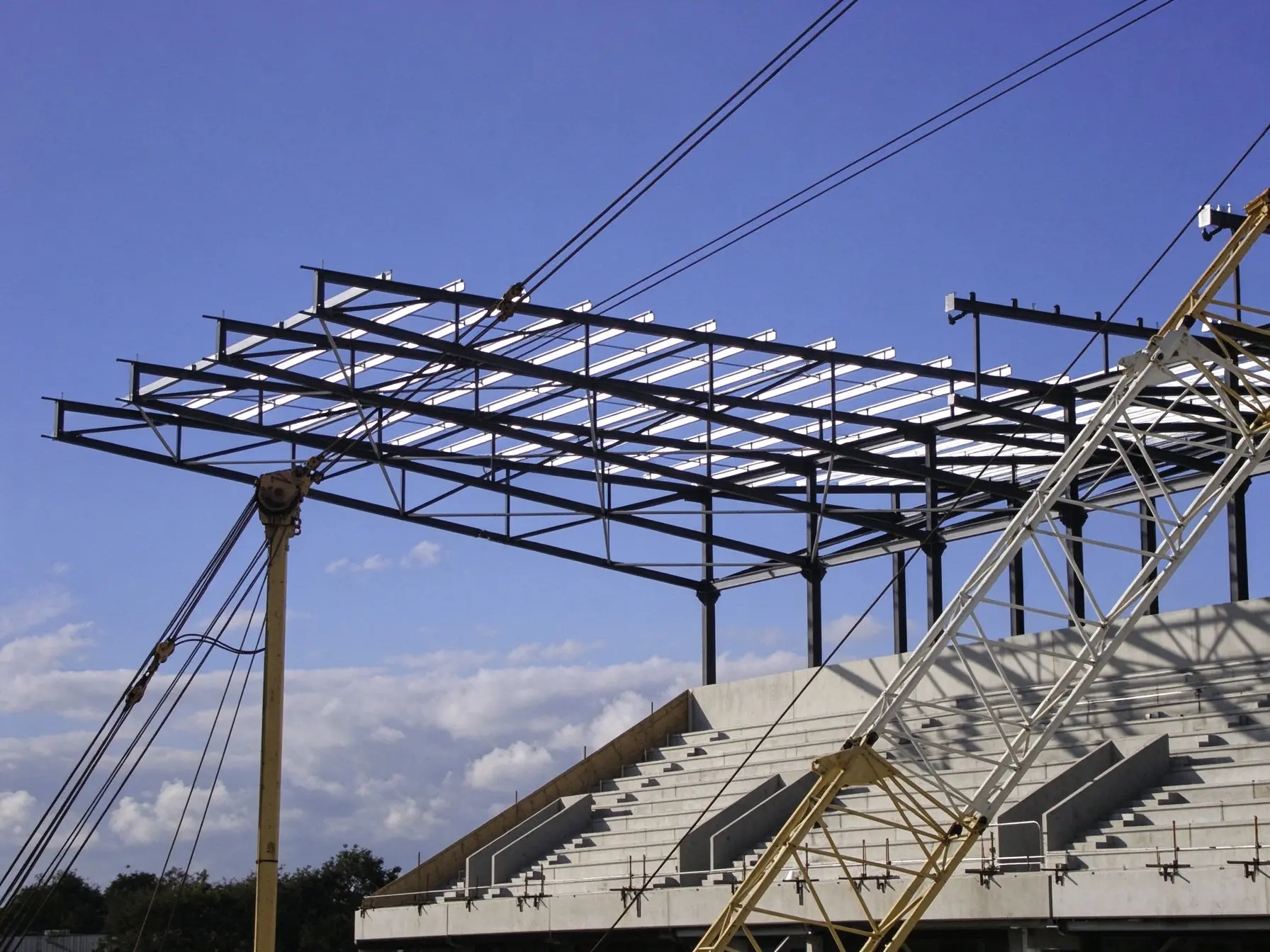
Stadium Grandstand Steel Canopy
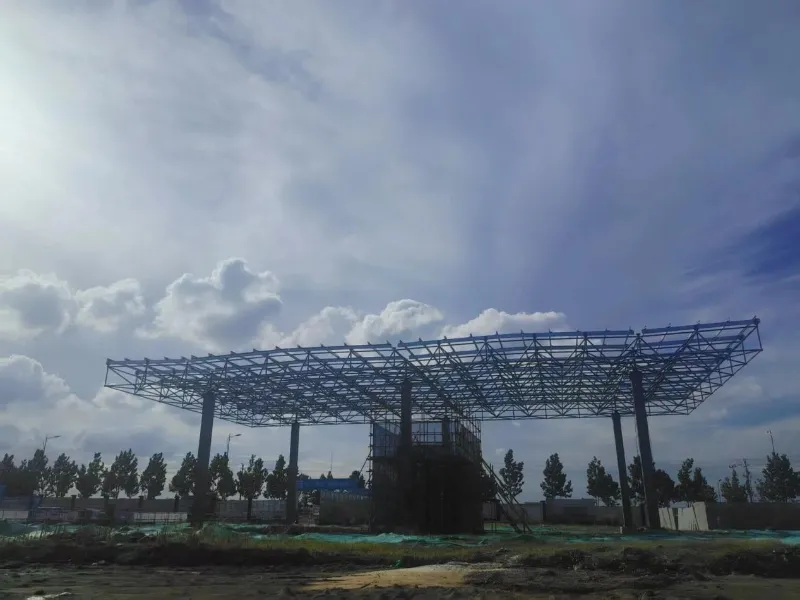
EIHE, a stadium contractor, delivers Stadium Grandstand Steel Canopy for modern sports arenas. Sports fans expect clear sightlines and shelter from driving rain. Thick concrete pillars blocking front-row views ruin the game experience. We build wide cantilevered steel pipe trusses that reach out 35 meters over spectator seating without a single forward post, shielding ticket holders while giving every seat an open view of the field.
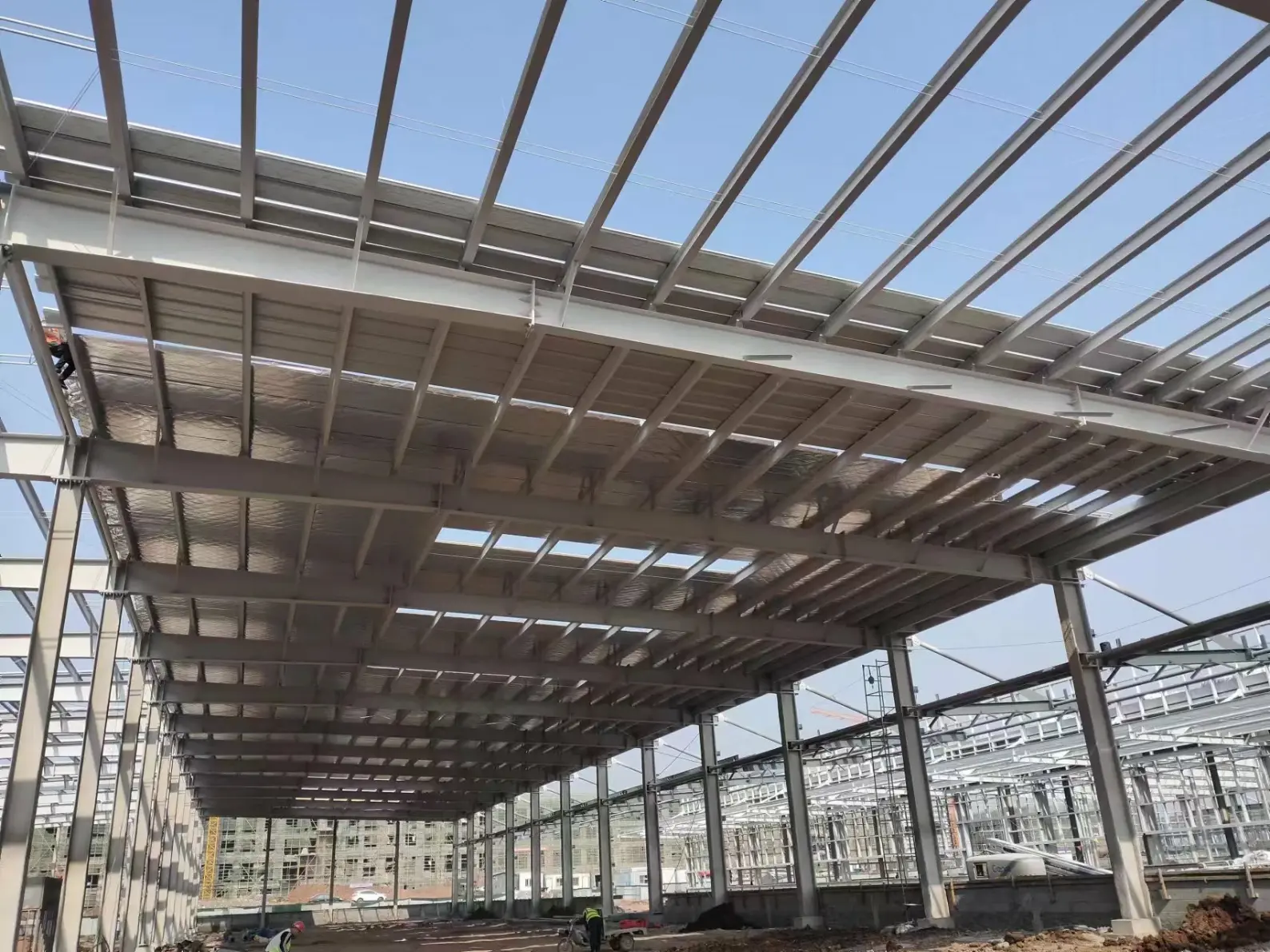
Steel Structure Indoor Cricket Training Hall Construction
The Steel structure indoor cricket training hall construction was specially designed by EIHE Steel Structure for cricket enthusiasts and professional athletes. As a steel structure supplier and manufacturer serving the global market, we can provide customized training venue solutions for our clients.
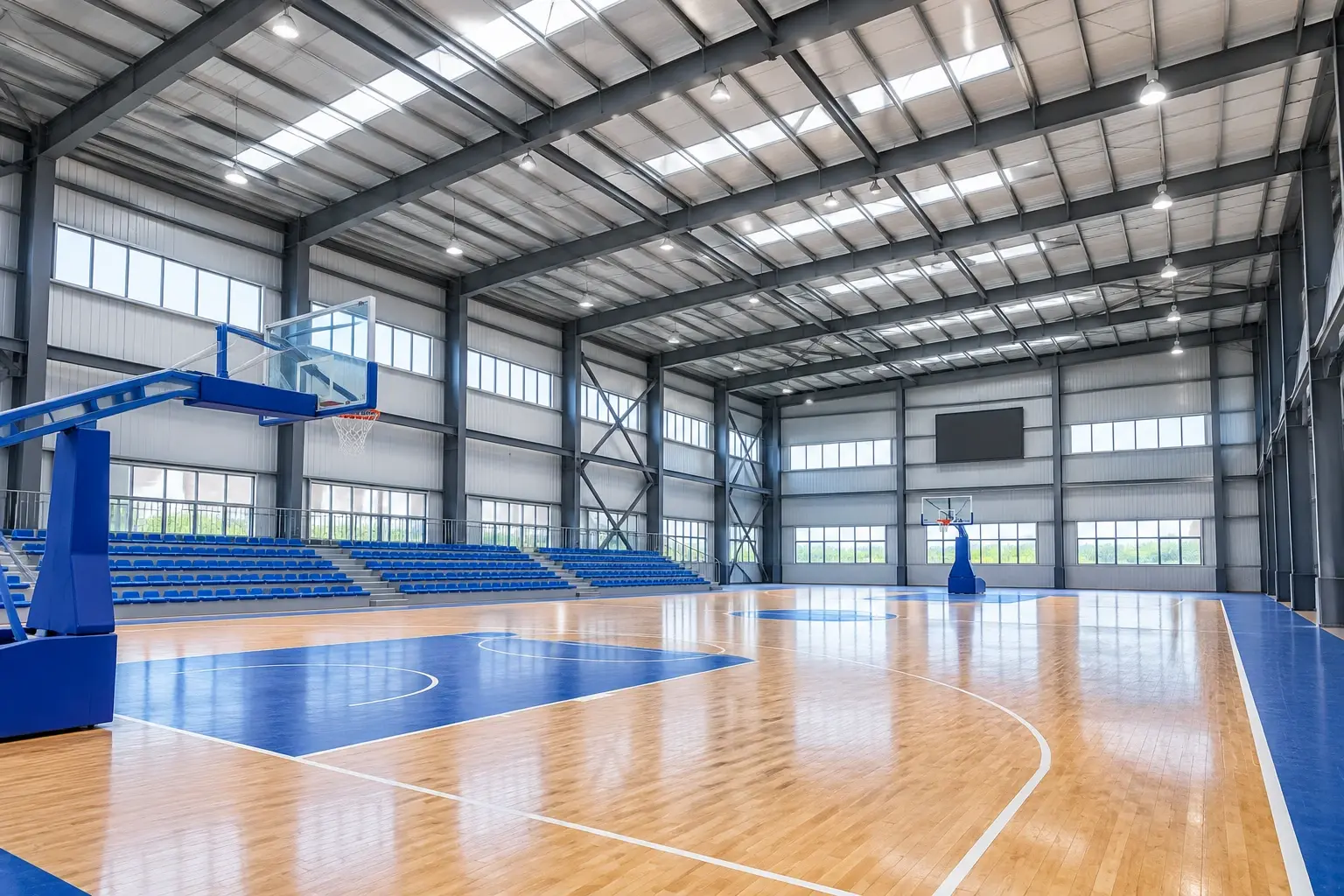
Steel Structure Basketball Hall
EIHE Steel Structure is a manufacturer of customized Steel Structure Basketball Halls for schools, sports centers, basketball training facilities, and commercial sports projects. It can be designed with wide-span structures, flexible court layouts, and customized roof and wall systems. EIHE steel structure basketball hall features large-span steel structure. The indoor space is spacious, the layout of the venue is flexible, and it offers customizable roofs and walls.
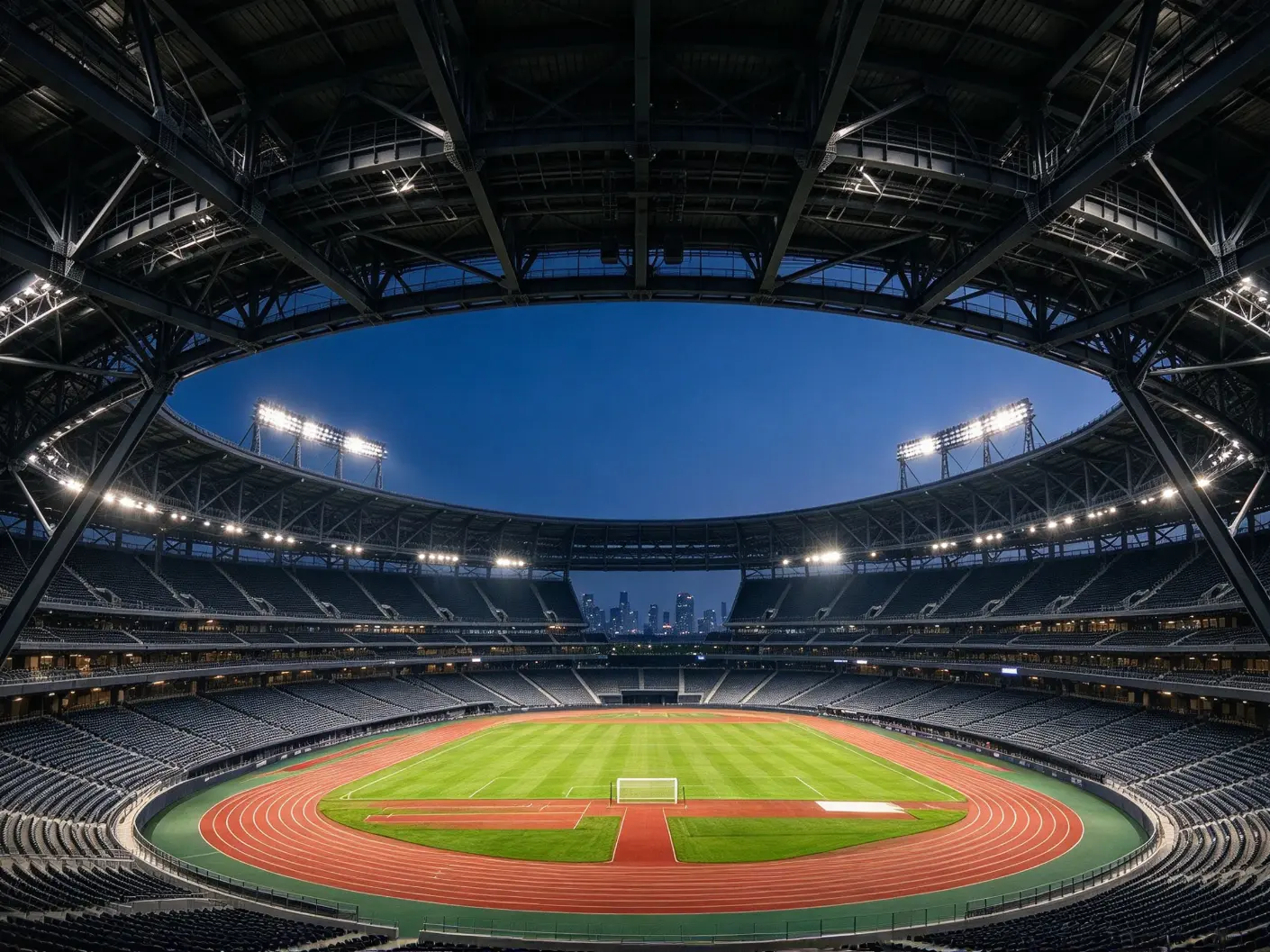
Space Frame Baseball Stadium Construction
EIHE Steel Structure is a Chinese steel structure supplier and manufacturer founded in 2005. We have extensive experience in large-scale steel structure sports venue projects. Space frame baseball stadium construction usually require large-span steel structure roofs. This type of structure does not require many columns, providing spectators with a wider viewing area.
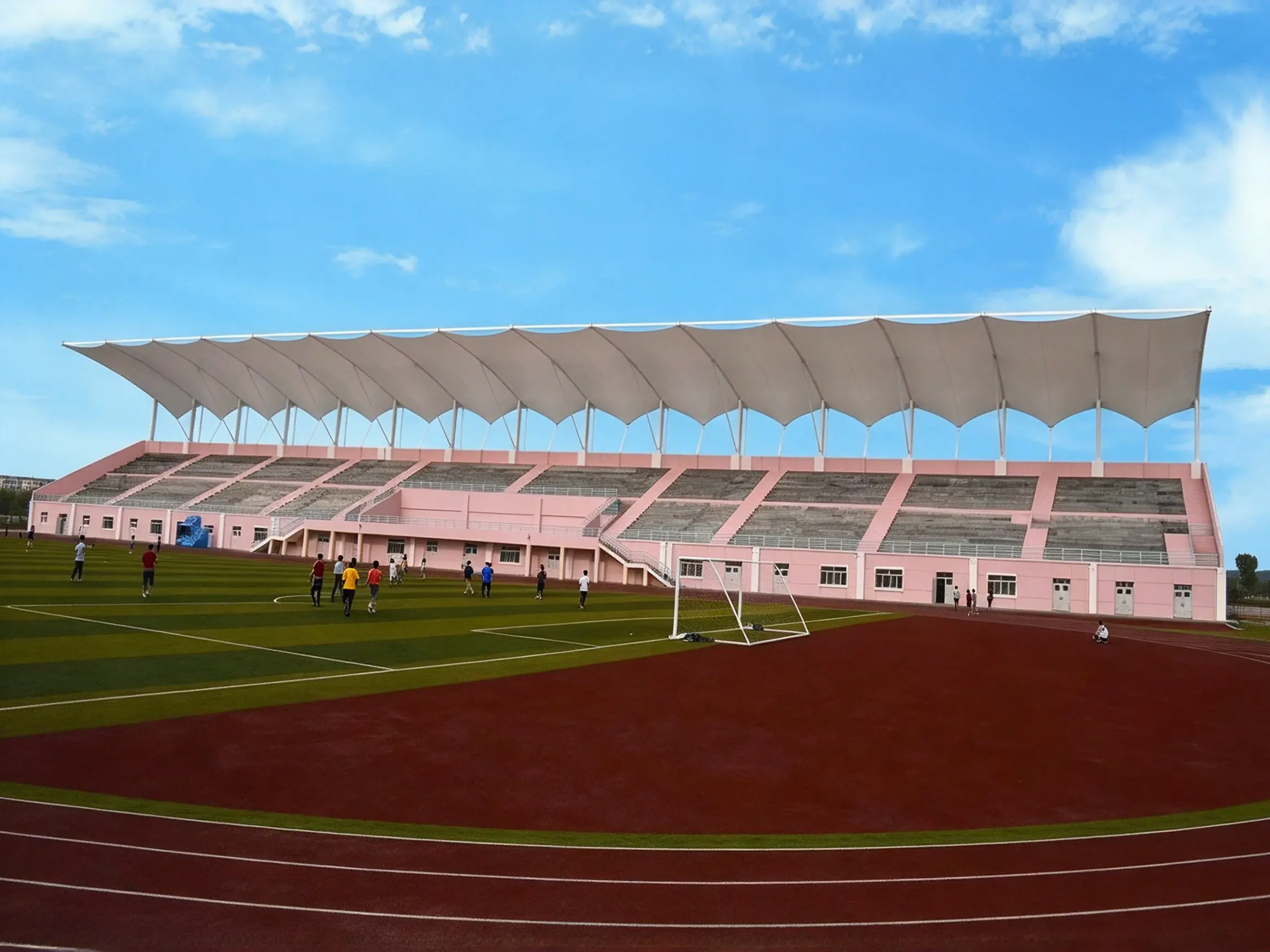
Indoor Steel Structure Stadium
EIHE is a China indoor steel structure stadium manufacturer and supplier. With 20 years of sports venue engineering experience in Qingdao, we design and fabricate cantilevered grandstand canopies, indoor sports arenas, school track-and-field bleachers, and tensioned membrane stadium roofs for global buyers.
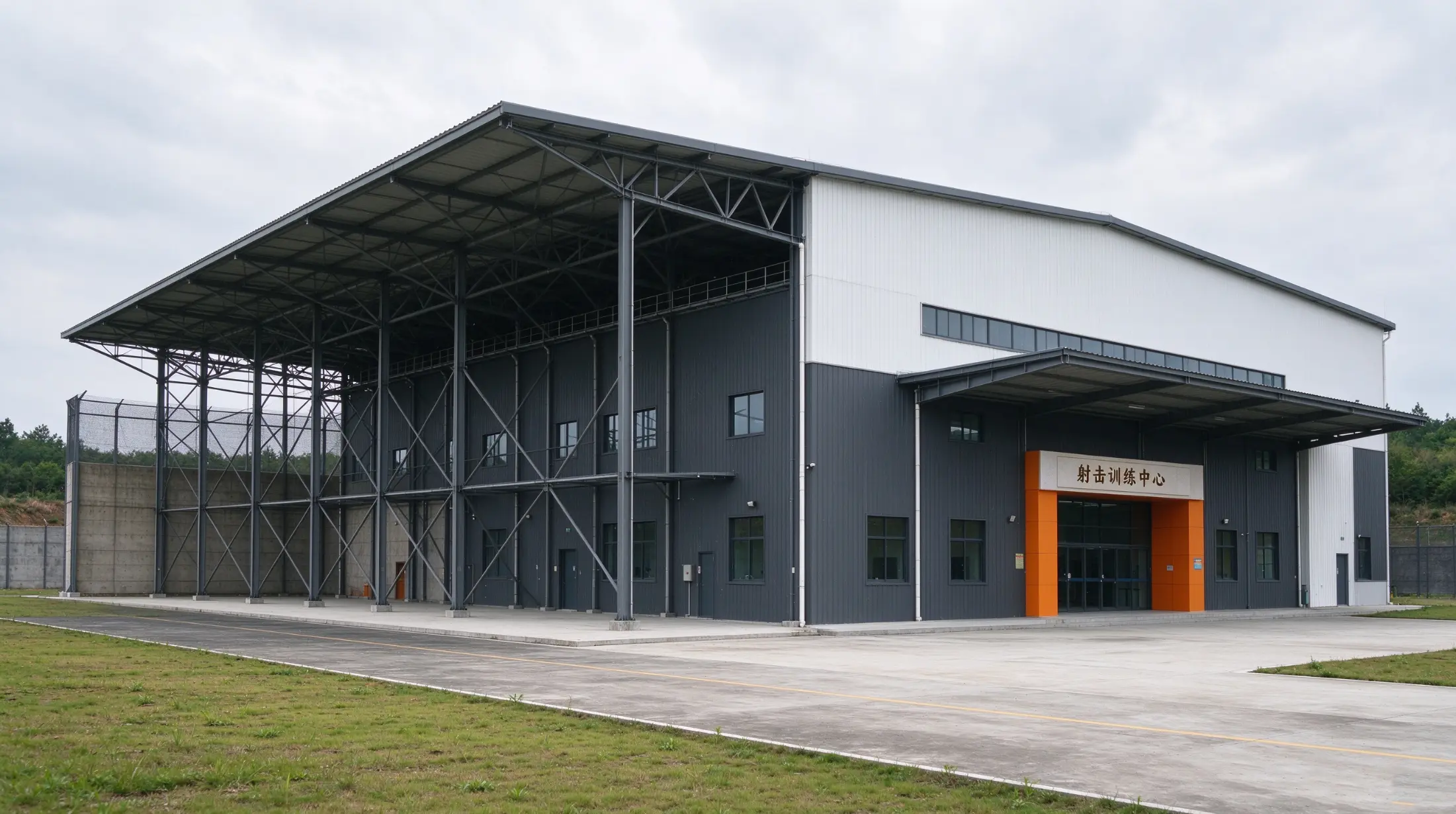
Steel Structure Shooting Sports Center Construction
EIHE Steel Structure was established in 2005. With rich experience in large-span sports building projects, it is a high-quality steel structure supplier and manufacturer. The steel structure shooting sports center construction is a comprehensive venue that requires spacious training areas. Steel structure is one of the best solutions in terms of structure and cost.
As a reliable Steel Structure Stadium manufacturer and supplier in China, we have our factory. If you want to buy quality and durable products, please contact us.
News Recommendations