English
- English
- Esperanto
- Afrikaans
- Català
- שפה עברית
- Cymraeg
- Galego
- Latviešu
- icelandic
- ייִדיש
- беларускі
- Hrvatski
- Kreyòl ayisyen
- Shqiptar
- Malti
- lugha ya Kiswahili
- አማርኛ
- Bosanski
- Frysk
- ភាសាខ្មែរ
- ქართული
- ગુજરાતી
- Hausa
- Кыргыз тили
- ಕನ್ನಡ
- Corsa
- Kurdî
- മലയാളം
- Maori
- Монгол хэл
- Hmong
- IsiXhosa
- Zulu
- Yoruba
- অসমীয়া
- ଓଡିଆ
- Punjabi
- پښتو
- Chichewa
- Samoa
- Sesotho
- සිංහල
- Gàidhlig
- Cebuano
- Somali
- Тоҷикӣ
- O'zbek
- Hawaiian
- سنڌي
- Shinra
- Հայերեն
- Igbo
- Sundanese
- Lëtzebuergesch
- Malagasy
- Español
- Português
- русский
- Français
- 日本語
- Deutsch
- tiếng Việt
- Italiano
- Nederlands
- ภาษาไทย
- Polski
- 한국어
- Svenska
- magyar
- Malay
- বাংলা ভাষার
- Dansk
- Suomi
- हिन्दी
- Pilipino
- Türkçe
- Gaeilge
- العربية
- Indonesia
- Norsk
- تمل
- český
- ελληνικά
- український
- Javanese
- فارسی
- தமிழ்
- తెలుగు
- नेपाली
- Burmese
- български
- ລາວ
- Latine
- Қазақша
- Euskal
- Azərbaycan
- Slovenský jazyk
- Македонски
- Lietuvos
- Eesti Keel
- Română
- Slovenski
- मराठी
- Srpski језик

EIHE Steel Structure's Box Column Processing Flow & Engineering Application Achievements
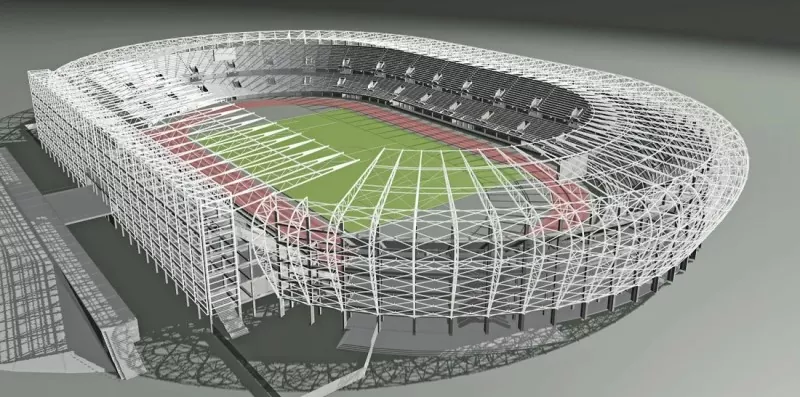
I. General layout drawing

Ⅱ. Key Process
|
Step 1 Steel Plate Surface Pretreatment |
Conducted in accordance with design or process requirements before steel plate blanking. |
|
|
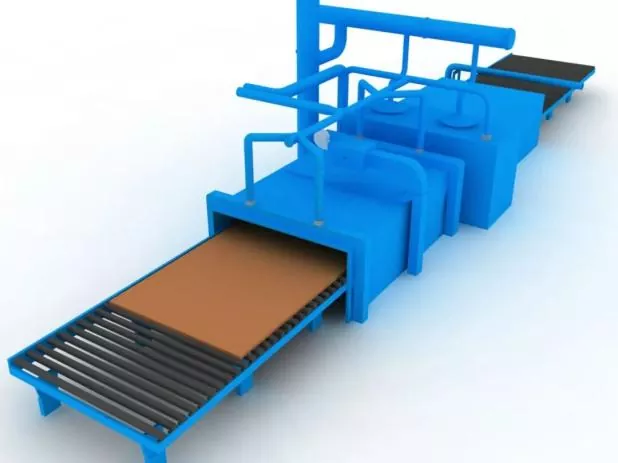
Step 2 Steel Plate Straightening |
Overall straightening shall be carried out after steel plate pretreatment to ensure blanking accuracy and relieve internal residual stress of the steel plate. |
|
|
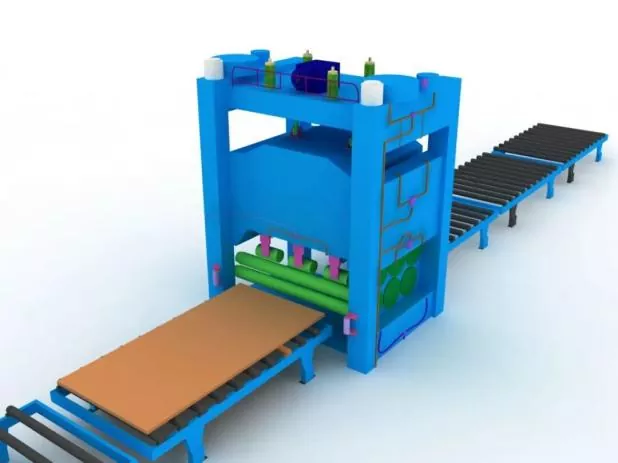
Step 3 Cutting and Blanking of Parts |
Before cutting, adjust the cutting machine, confirm the nozzle model, and check the stability of air pressure. |
|
|
During cutting, preheat the cutting seam of the steel plate first, and strictly control the cutting speed. |
||
|
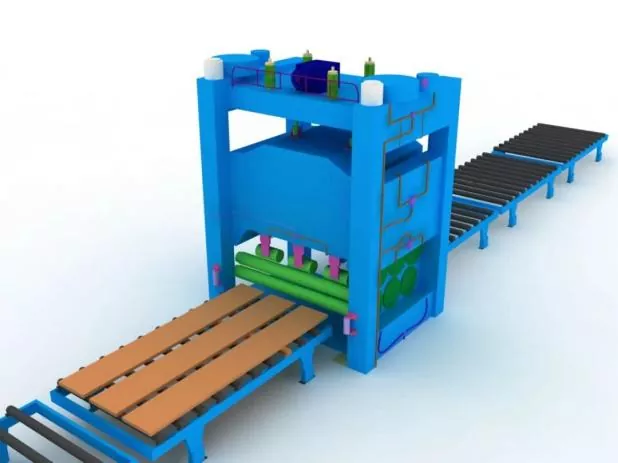
Step 4 Secondary Straightening of Parts |
Performed after steel plate blanking to ensure assembly accuracy and reduce internal residual stress of steel plates. |
|
|
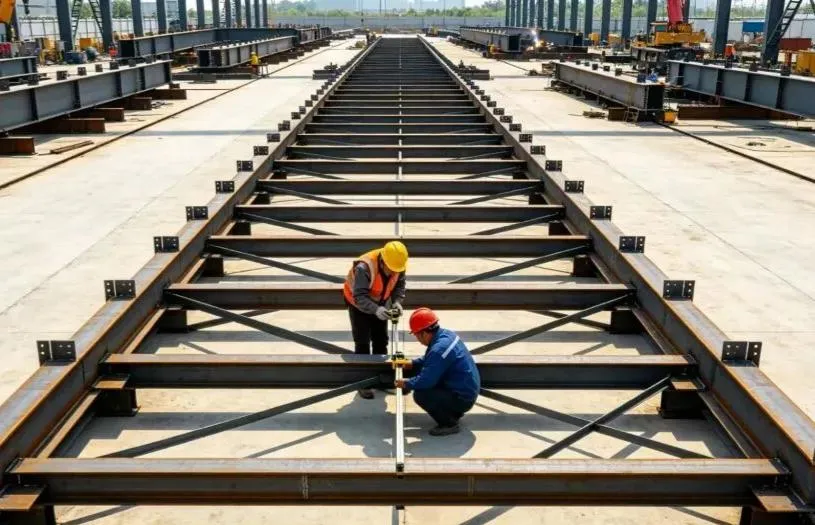
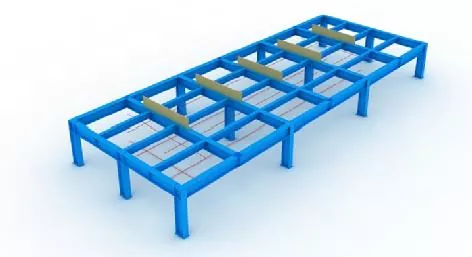
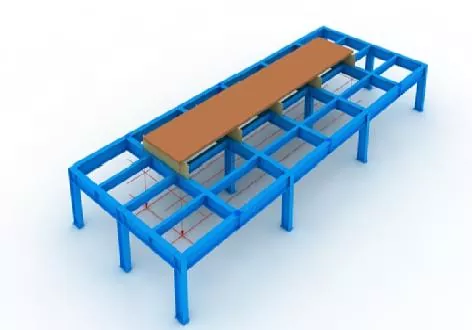
Step 5 Setting Of Jigs and Layout Lines |
Before assembly, layout lines and jigs shall be set firstly. |
|
|
During jig installation, the horizontal level of the top opening must be ensured, and sufficient rigidity and strength shall be guaranteed. |
||
|
All jigs and layout lines can only be put into use after being inspected and approved by designated personnel. |
||
|
Step 6 Lower Panel Positioning |
Precisely positioned by plumb bob and layout lines. |
|
|
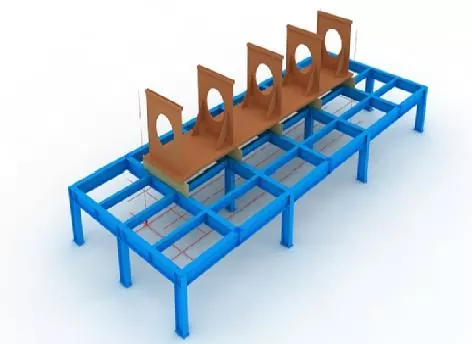
Step 7 Diaphragm Assembly |
Before assembly of diaphragms, mark positioning lines on the lower panel, and remove floating rust on both sides of the lines with a grinding wheel. |
|
|
After the diaphragms are erected, fix them by tack welding. |
||
|
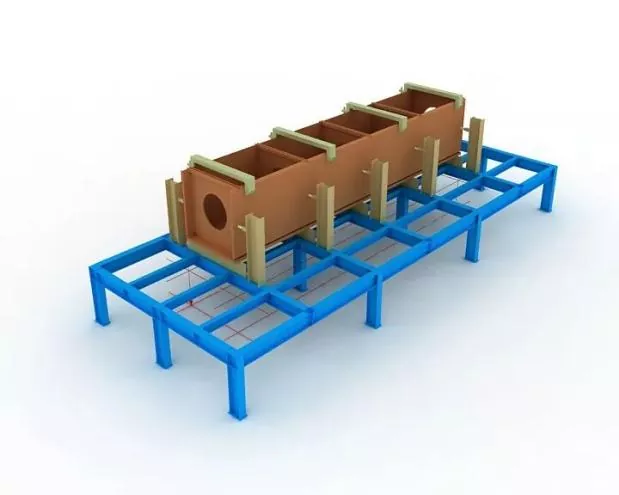
Step 8 Web Assembly |
After the web is assembled and qualified, jack it tightly against the diaphragm with a jack, then fix it by tack welding.
|
|
|
Step 9 Upper Panel Assembly |
Complete precise positioning of the upper panel with plumb bob, then fix by tack welding. |
|
|
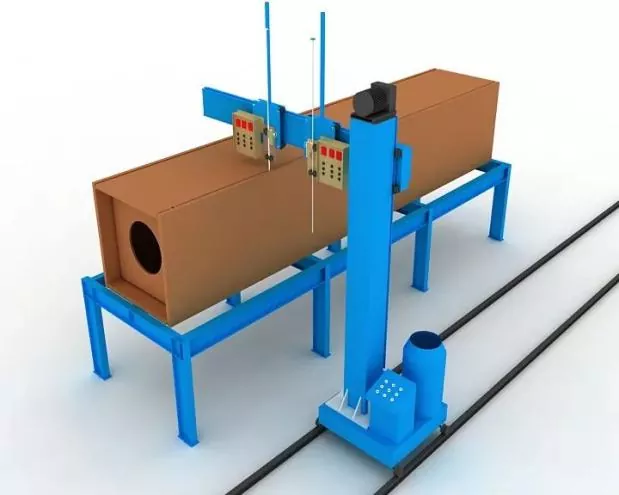
Step 10 Diaphragm Electroslag Welding |
Single-sided electroslag welding is adopted for diaphragms. |
|
|
Copper sleeves for arc starting and extinguishing shall be installed at the upper and lower openings of electroslag welding holes during welding. |
||
|
Welding current and voltage shall be strictly controlled throughout the welding process, and attention shall be paid to observing the color change of the electroslag welding area on the web. |
||
|
Step 11 Overall Inspection |
During inspection, focus on checking whether the component length, diagonal dimensions and end section dimensions meet the design and specification requirements, and correct all out-of-tolerance parts. |
|
|
Step 12 End Milling |
Mill the end face after assembly and welding. |
|
|
Guarantee the levelness of members and the parallelism between end face and milling cutter. |
||
|
Step 13 Sand Blasting and Rust Removal |
Complete rust removal by sand blasting as required after welding, then transfer to coating construction. |
|

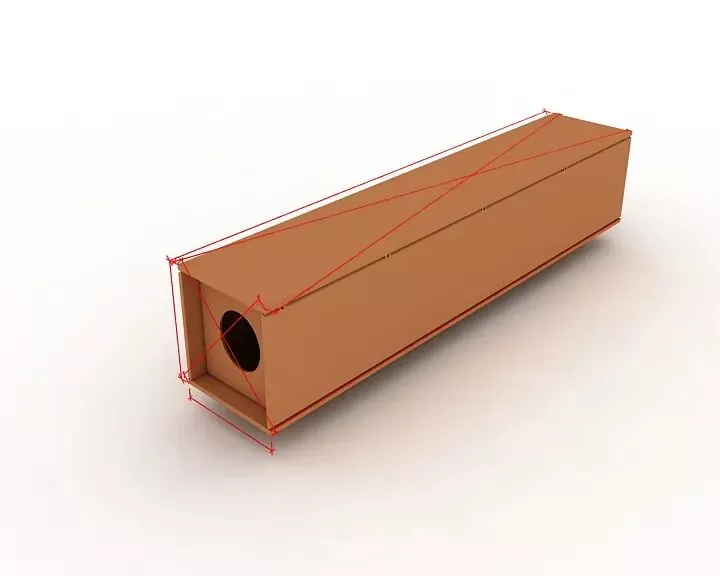
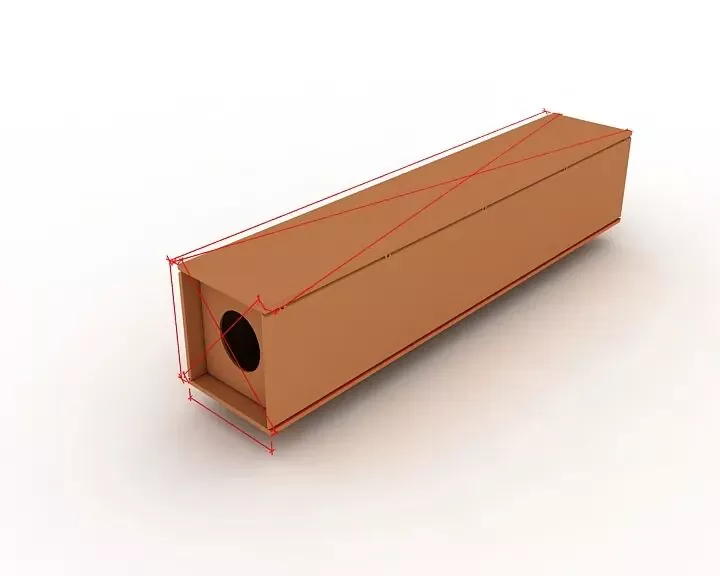
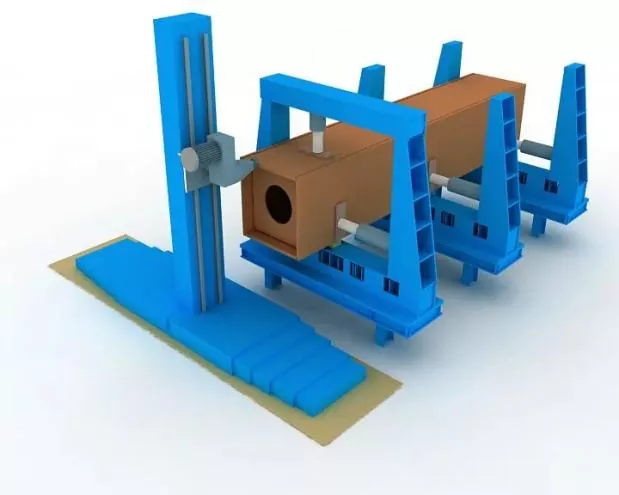
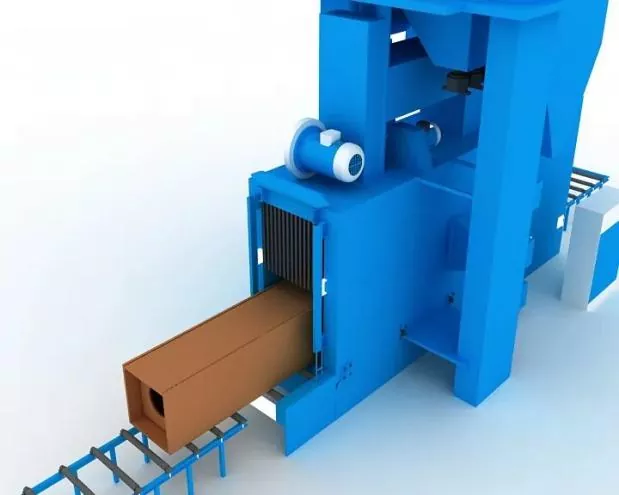
Ⅲ. Specifications for Assembly, Positioning and Welding
|
Assembly accuracy |
During assembly: ● Appropriate restraints shall be adopted to control welding deformation. ● Welding shrinkage allowances and reasonable reverse deformation shall be reserved to control component dimensions and ensure correct shape. |
|
The permissible deviations for fabrication and assembly of welded connections, as well as the dimensional tolerances of structural components, shall comply with the requirements of Code for Acceptance of Construction Quality of Steel Structures(GB 50205). |
|
|
Assembly positioning welding |
It shall be implemented by semi-automatic solid wire gas metal arc welding (GMAW). |
|
Welder |
Welders engaged in assembly tack welding shall hold the corresponding qualification certificates specified in the Technical Specification for Welding of Building Steel Structures(JGJ81). |
|
Position of tack welds |
Position of tack welds: Tack welds shall avoid the start and end of formal welds, and shall not be placed on corners, edges, ends and other critical areas prone to structural strength and workmanship defects. |
|
For T-joints, tack welding: Shall be carried out symmetrically on both sides; meanwhile, tack welding inside the groove shall be avoided as much as possible. For full penetration groove welding: Tack welding shall be performed on the groove for back gouging, e.g., Back gouging. |
|
|
The assembly and welding positions of welding backing plates as well as run-on and run-off plates shall comply with relevant standards |
|
|
Welding materials |
Welding materials used for assembly and tack welding shall be consistent with those for formal welding, i.e., the same welding materials as in official welding shall be adopted. |
|
For assembly welding between high-strength steel and low-strength steel, welding materials shall be selected in accordance with the low-strength steel grade. |
Related News
- Qingdao’s Most Advanced "Cradle of Sharpshooters"
- Steel Structure Practice for Northern Shaanxi Aviation Hub
- Large Cultural Tourism Steel Structure Project – "Nautilus"
- Hanhe Cable Shielding Hall: Eihe Steel Structure Undertakes the National-level Cable Test Platform
- 170,000 ㎡ Financial Complex Topped Out: How Were 4,000 Tons of Steel Structure Precisely Positioned?
- China's First Fairy-Themed Resort Island: How Steel Structures Support This "Mythical Dreamland"?
Leave me a message




News Recommendations