English
- English
- Esperanto
- Afrikaans
- Català
- שפה עברית
- Cymraeg
- Galego
- Latviešu
- icelandic
- ייִדיש
- беларускі
- Hrvatski
- Kreyòl ayisyen
- Shqiptar
- Malti
- lugha ya Kiswahili
- አማርኛ
- Bosanski
- Frysk
- ភាសាខ្មែរ
- ქართული
- ગુજરાતી
- Hausa
- Кыргыз тили
- ಕನ್ನಡ
- Corsa
- Kurdî
- മലയാളം
- Maori
- Монгол хэл
- Hmong
- IsiXhosa
- Zulu
- Yoruba
- অসমীয়া
- ଓଡିଆ
- Punjabi
- پښتو
- Chichewa
- Samoa
- Sesotho
- සිංහල
- Gàidhlig
- Cebuano
- Somali
- Тоҷикӣ
- O'zbek
- Hawaiian
- سنڌي
- Shinra
- Հայերեն
- Igbo
- Sundanese
- Lëtzebuergesch
- Malagasy
- Español
- Português
- русский
- Français
- 日本語
- Deutsch
- tiếng Việt
- Italiano
- Nederlands
- ภาษาไทย
- Polski
- 한국어
- Svenska
- magyar
- Malay
- বাংলা ভাষার
- Dansk
- Suomi
- हिन्दी
- Pilipino
- Türkçe
- Gaeilge
- العربية
- Indonesia
- Norsk
- تمل
- český
- ελληνικά
- український
- Javanese
- فارسی
- தமிழ்
- తెలుగు
- नेपाली
- Burmese
- български
- ລາວ
- Latine
- Қазақша
- Euskal
- Azərbaycan
- Slovenský jazyk
- Македонски
- Lietuvos
- Eesti Keel
- Română
- Slovenski
- मराठी
- Srpski језик

5 Common Steel Structure Engineering Questions and Technical Answers
The design, fabrication and on-site construction of steel structure engineering involve numerous professional mechanical concepts, component parameters and structural classifications. During daily drawing detailing, load checking and scheme comparison, many practitioners often have doubts about various technical terms, mechanical effects and the selection criteria of structural members. To help frontline technicians and foreign trade coordinators quickly sort out core theories and avoid design errors, this document compiles frequently asked professional questions about steel structures with concise answers.
Q1. What is diaphragm effect?
The diaphragm effect refers to a mechanical behavior where enclosure panels resist in-plane deformation induced by in-plane loads by virtue of their own shear stiffness. Stiffness and strength of components are the two key indicators to evaluate its performance.
Q2. Are shear lag and shear lag effect the same concept?
They refer to an identical mechanical phenomenon; "shear lag" is merely an alternative name for the shear lag effect, which can be explained by Saint-Venant’s principle. During load transfer inside a member, delayed shear force transmission in local regions leads to uneven distribution of normal stress over the cross-section, and this phenomenon is collectively named shear lag.
Q3. What consequences will excessive deflection of steel structures bring?
If the actual deflection of a steel structure exceeds the limit specified by codes, visible deformation of components will occur and spoil the architectural appearance. Meanwhile, the service performance of the building will be impaired, and long-term excessive deflection will further create potential structural safety hazards.
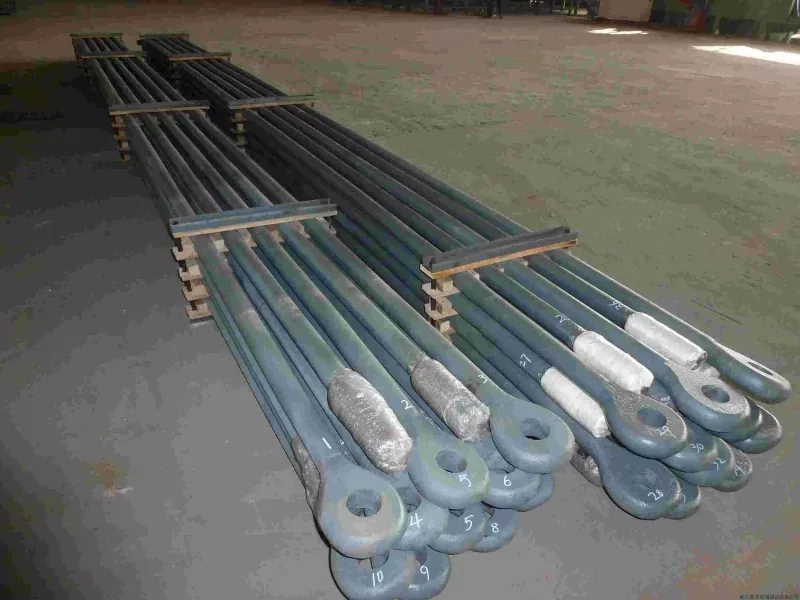
Q4. How to distinguish rigid tie rods from flexible tie rods?
Rigid tie rods can bear both tension and compression, and commonly adopt double angle steel or circular steel tube cross-sections. Flexible tie rods can only resist tension without compressive capacity, which are generally fabricated from single angle steel or round tubes.
Q5. What does post-buckling bearing capacity mean?
Post-buckling bearing capacity specifically refers to the residual load-carrying capacity of thin-walled components after local buckling occurs. This index is jointly determined by the width-thickness ratio of plates and edge restraint conditions: larger width-thickness ratio and stronger boundary restraints will result in higher post-buckling residual bearing capacity of the member.
Conclusion
The theories involved in the design, manufacture and construction of steel structures are extensive and interrelated, and the above Q&A only covers a small fraction of common issues. Steel structure engineering is a discipline integrating theoretical knowledge and practical experience. Mastering these key points requires more than memorizing term definitions; repeated comparison, reflection and verification in real project practices are indispensable. It is hoped that this Q&A document can provide readers with a clear starting point, allowing them to quickly locate relevant references and solutions when encountering practical engineering problems.
Related News
- Recommended Roof Slope Values for Portal Frames and Light Steel Roof Structures
- Comprehensive Guide: Selecting the Right Exterior Wall Materials for Steel Industrial Facilities
- How Can Steel Structure City Footbridge Construction Accelerate the Formation of the Urban Pedestrian System?
- How Can Cold Chain Storage Be Properly Arranged in a Steel Structure Agricultural Product Logistics Center Construction?
- How do Container Exhibition Hall construction change traditional display spaces?
- How to Select the Appropriate Size for a Steel Frame Horse Stable Construction?
Leave me a message