English
- English
- Esperanto
- Afrikaans
- Català
- שפה עברית
- Cymraeg
- Galego
- Latviešu
- icelandic
- ייִדיש
- беларускі
- Hrvatski
- Kreyòl ayisyen
- Shqiptar
- Malti
- lugha ya Kiswahili
- አማርኛ
- Bosanski
- Frysk
- ភាសាខ្មែរ
- ქართული
- ગુજરાતી
- Hausa
- Кыргыз тили
- ಕನ್ನಡ
- Corsa
- Kurdî
- മലയാളം
- Maori
- Монгол хэл
- Hmong
- IsiXhosa
- Zulu
- Yoruba
- অসমীয়া
- ଓଡିଆ
- Punjabi
- پښتو
- Chichewa
- Samoa
- Sesotho
- සිංහල
- Gàidhlig
- Cebuano
- Somali
- Тоҷикӣ
- O'zbek
- Hawaiian
- سنڌي
- Shinra
- Հայերեն
- Igbo
- Sundanese
- Lëtzebuergesch
- Malagasy
- Español
- Português
- русский
- Français
- 日本語
- Deutsch
- tiếng Việt
- Italiano
- Nederlands
- ภาษาไทย
- Polski
- 한국어
- Svenska
- magyar
- Malay
- বাংলা ভাষার
- Dansk
- Suomi
- हिन्दी
- Pilipino
- Türkçe
- Gaeilge
- العربية
- Indonesia
- Norsk
- تمل
- český
- ελληνικά
- український
- Javanese
- فارسی
- தமிழ்
- తెలుగు
- नेपाली
- Burmese
- български
- ລາວ
- Latine
- Қазақша
- Euskal
- Azərbaycan
- Slovenský jazyk
- Македонски
- Lietuvos
- Eesti Keel
- Română
- Slovenski
- मराठी
- Srpski језик

Understanding Steel Structure Components: Classification of Load-Bearing and Stability Members
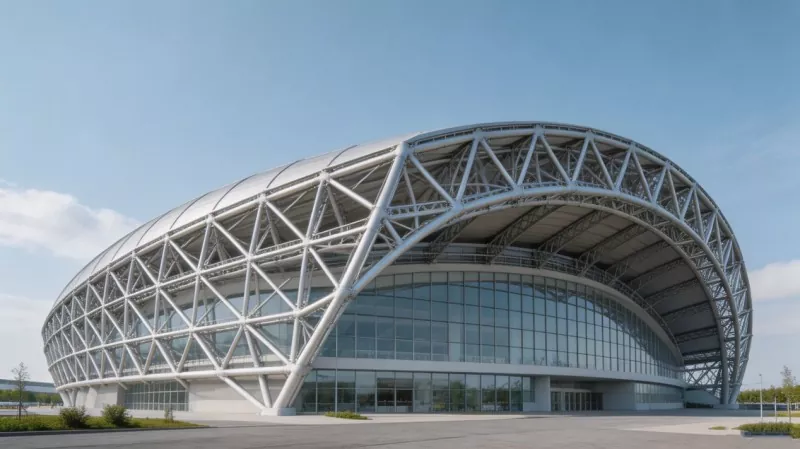
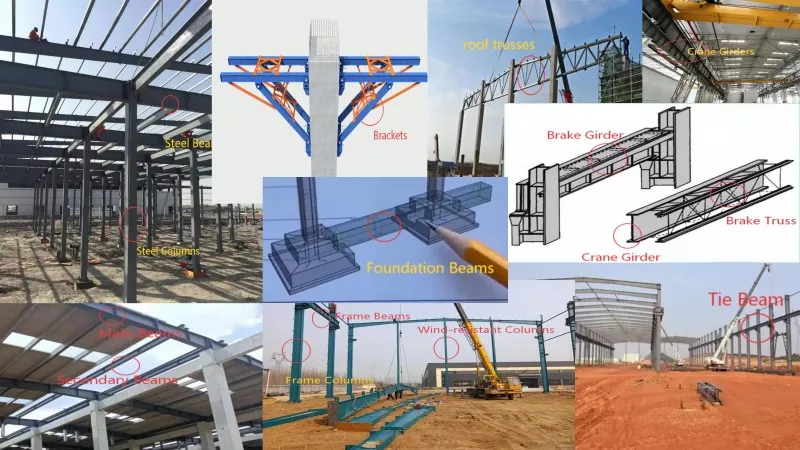
Overall, steel structural components can be divided into four major categories by structural composition: primary load-bearing members, bracing and stability members, secondary and attached components, as well as connections and structural fittings. This session mainly covers the first two categories.
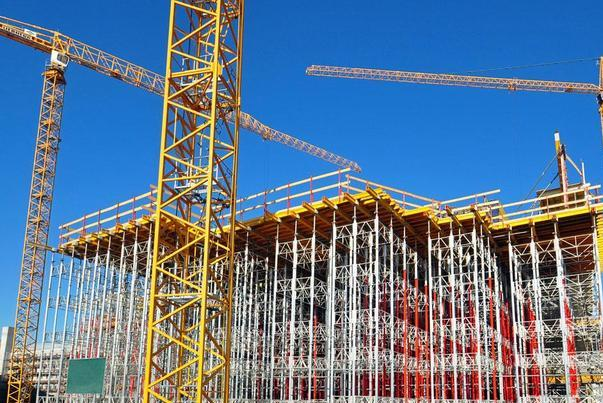
Primary load-bearing members include steel columns, steel beams, trusses, brackets, roof trusses, crane girders, brake girders, brake trusses, wind-resisting columns, frame beams, frame columns, secondary beams, main beams, tie beams and foundation beams. A truss further consists of top chords, bottom chords and web members. As the core skeleton of the steel structural system, primary load-bearing members bear the main loads of the structure and transfer them to the foundation. Their fabrication quality and erection accuracy directly determine the safety and stability of the whole structure.
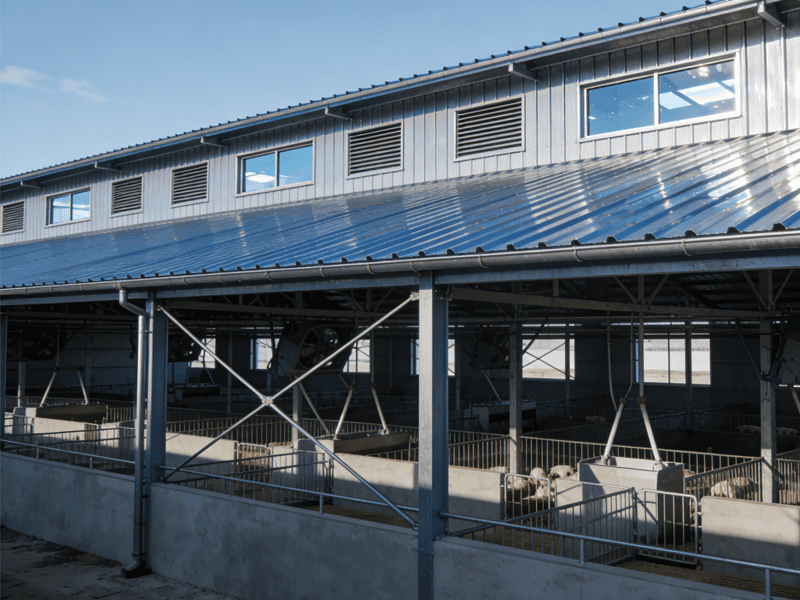
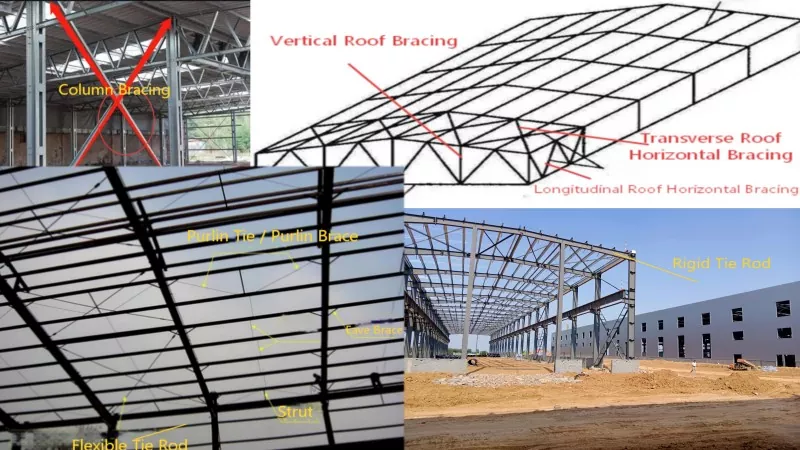
Bracing and stability members consist of column bracings, roof horizontal bracings, roof vertical bracings, longitudinal horizontal bracings, transverse horizontal bracings, eave braces, rigid tie rods, flexible tie rods, purlin ties and struts. Bracing and stability members do not directly bear major vertical loads, yet they function to guarantee the overall stability of the structure, transfer horizontal loads, reduce the effective length of structural members and prevent structural instability.
This session introduces primary load-bearing members and bracing & stability members. The next session will continue to elaborate on the full details of secondary and attached components (including purlins, wall frames, monitor frames, stair platforms, railings, etc.) as well as connections and structural fittings (including gusset plates, stiffeners, bolts, shear studs, embedded parts, etc.). Stay tuned.
Related News
- How to Choose C and Z Purlins for Steel Structure Warehouses?
- Which Residential Projects Are Suitable for Modular Shipping Container Homes?
- What Are the Differences Between Prefabricated Container Motel Construction and Traditional Motels?
- What construction costs can be reduced by using steel structure canteen construction?
- What Are the Application Scenarios of Customized Residential Container Warehouse Construction?
- Recommended Roof Slope Values for Portal Frames and Light Steel Roof Structures
Leave me a message




News Recommendations