English
- English
- Esperanto
- Afrikaans
- Català
- שפה עברית
- Cymraeg
- Galego
- Latviešu
- icelandic
- ייִדיש
- беларускі
- Hrvatski
- Kreyòl ayisyen
- Shqiptar
- Malti
- lugha ya Kiswahili
- አማርኛ
- Bosanski
- Frysk
- ភាសាខ្មែរ
- ქართული
- ગુજરાતી
- Hausa
- Кыргыз тили
- ಕನ್ನಡ
- Corsa
- Kurdî
- മലയാളം
- Maori
- Монгол хэл
- Hmong
- IsiXhosa
- Zulu
- Yoruba
- অসমীয়া
- ଓଡିଆ
- Punjabi
- پښتو
- Chichewa
- Samoa
- Sesotho
- සිංහල
- Gàidhlig
- Cebuano
- Somali
- Тоҷикӣ
- O'zbek
- Hawaiian
- سنڌي
- Shinra
- Հայերեն
- Igbo
- Sundanese
- Lëtzebuergesch
- Malagasy
- Español
- Português
- русский
- Français
- 日本語
- Deutsch
- tiếng Việt
- Italiano
- Nederlands
- ภาษาไทย
- Polski
- 한국어
- Svenska
- magyar
- Malay
- বাংলা ভাষার
- Dansk
- Suomi
- हिन्दी
- Pilipino
- Türkçe
- Gaeilge
- العربية
- Indonesia
- Norsk
- تمل
- český
- ελληνικά
- український
- Javanese
- فارسی
- தமிழ்
- తెలుగు
- नेपाली
- Burmese
- български
- ລາວ
- Latine
- Қазақша
- Euskal
- Azərbaycan
- Slovenský jazyk
- Македонски
- Lietuvos
- Eesti Keel
- Română
- Slovenski
- मराठी
- Srpski језик

How Much Do You Know About These Steel‑structure Forms?
As we covered the four mainstream core systems in the steel structure industry last time, EHSS will continue to take you to explore steel structures in this issue. In modern buildings, with growing structural complexity and load-bearing demands, structural forms such as lattice shells, suspension cables, beam string structures and concrete-filled steel tubes have been widely applied. The steel structure types introduced in this issue are all commonly used in engineering with mature technical systems and corresponding supporting standards, dominating their respective segmented fields.
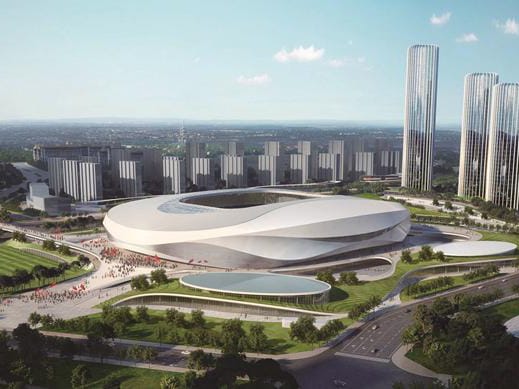
Latticed shell structure, as the name suggests, is a curved grid structure resembling an eggshell. Its core feature lies in the capability to form large-span curved shapes such as domes and arches. Boasting elegant appearance and efficient force bearing, it is widely applied in large gymnasiums, exhibition centers, planetariums and botanical greenhouses.
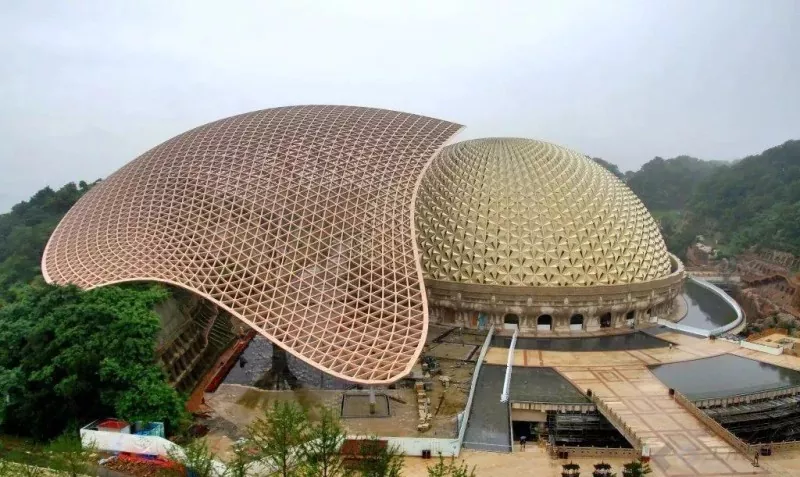
Suspension structures take high-strength steel cables as core components and realize large spans by utilizing the tensile property of cables. They feature ultra-large spanning capacity, light self-weight and low steel consumption, and are mainly adopted for suspension bridges, large stadiums, airport terminals and other projects.

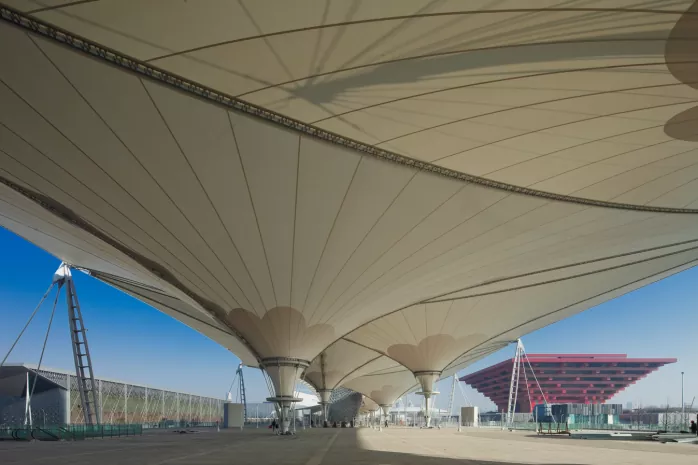
Cable-membrane structure is the most mainstream and widely used type among all membrane structures, composed of membrane materials together with steel components or steel frameworks. The membrane fabrics are usually coated with PTFE or PVC. Featuring light weight, high strength and great flexibility to form complex free-form curved surfaces, it is commonly used for canopies, landscape installations, toll stations and inflatable venues.
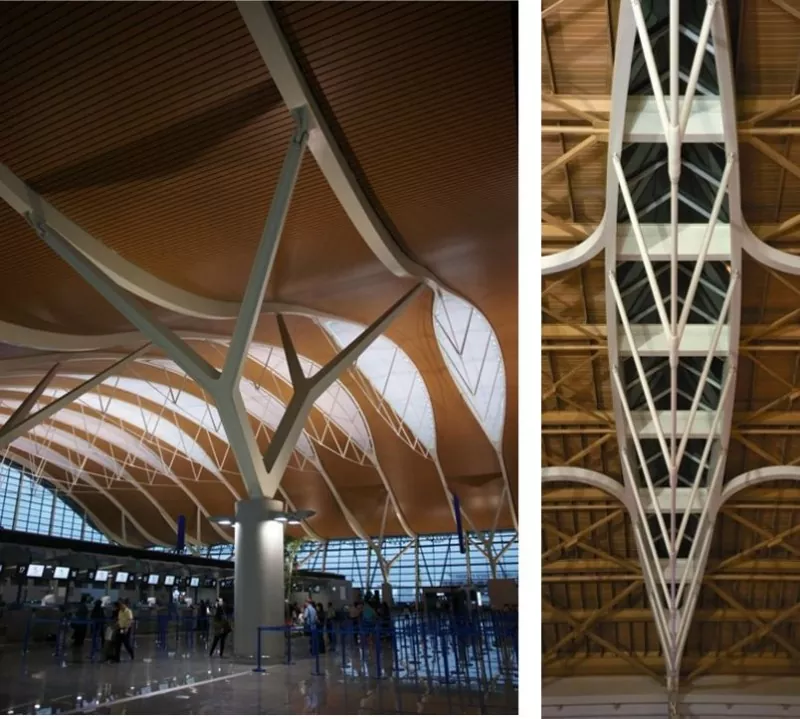
String-supported structure is composed of rigid upper chords and flexible lower steel cables connected by struts, where the rigid upper chords are mostly steel beams or trusses, so it can also be interpreted as a structure formed by connecting steel beams or trusses with steel cables through struts. The beam string structure is the most common and typical form of this structural system with solid web steel beams as its upper components. Featuring self-equilibrium and excellent spanning capacity, string-supported structures are mainly applied to long-span roofs and airport terminals.
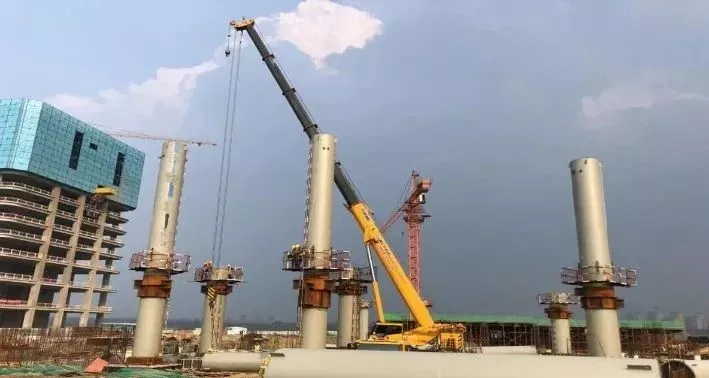
Concrete-filled steel tube structure refers to a structure with concrete filled inside steel tubes to greatly improve bearing capacity and ductility. It features high bearing capacity and favorable ductility, and is mainly used as compression members in super high-rise building columns, arch bridges and long-span structures.
The portal frames, steel frames, steel trusses and grid structures mentioned in the previous issue boast the largest market volume and the most universal application scenarios, serving as the top choices for small and medium-sized factories, high-rise buildings and conventional large-span roofs. In contrast, the latticed shells, suspension structures, cable-membrane structures, beam string structures and concrete-filled steel tube structures covered in this issue are specialized sub-systems tailored for scenarios involving special spans, super high-rise buildings, lightweight enclosures and composite stress conditions, and they also represent mainstream and popular steel structure systems nowadays.
All steel structural systems covered in the two installments have distinct advantages and complement each other, jointly forming a complete technical spectrum for current steel structure engineering. Specifically, the steel frame structure lays the foundation for the braced steel frame structure; latticed shells and space grids both fall into the category of spatial grid structures as parallel forms; suspension, cable-membrane and string-supported structures can be combined with trusses and grids to form long-span systems; cold-formed thin-walled steel structures are mainly applied in lightweight steel construction systems; and concrete-filled steel tube structures belong to steel-concrete composite load-bearing systems.

When selecting structural types for practical projects, comprehensive evaluation shall be conducted based on building functions, span conditions, economic indicators and construction schedule requirements to determine the optimal solution. Stay tuned to EHSS official channels for more professional steel structure technical updates. With 21 years of dedication to steel structure fabrication and installation, we deliver full-process technical support for your projects with solid professional capabilities.
Related News
- How to Choose C and Z Purlins for Steel Structure Warehouses?
- Which Residential Projects Are Suitable for Modular Shipping Container Homes?
- What Are the Differences Between Prefabricated Container Motel Construction and Traditional Motels?
- What construction costs can be reduced by using steel structure canteen construction?
- What Are the Application Scenarios of Customized Residential Container Warehouse Construction?
- Recommended Roof Slope Values for Portal Frames and Light Steel Roof Structures
Leave me a message
New Products


News Recommendations