English
- English
- Esperanto
- Afrikaans
- Català
- שפה עברית
- Cymraeg
- Galego
- Latviešu
- icelandic
- ייִדיש
- беларускі
- Hrvatski
- Kreyòl ayisyen
- Shqiptar
- Malti
- lugha ya Kiswahili
- አማርኛ
- Bosanski
- Frysk
- ភាសាខ្មែរ
- ქართული
- ગુજરાતી
- Hausa
- Кыргыз тили
- ಕನ್ನಡ
- Corsa
- Kurdî
- മലയാളം
- Maori
- Монгол хэл
- Hmong
- IsiXhosa
- Zulu
- Yoruba
- অসমীয়া
- ଓଡିଆ
- Punjabi
- پښتو
- Chichewa
- Samoa
- Sesotho
- සිංහල
- Gàidhlig
- Cebuano
- Somali
- Тоҷикӣ
- O'zbek
- Hawaiian
- سنڌي
- Shinra
- Հայերեն
- Igbo
- Sundanese
- Lëtzebuergesch
- Malagasy
- Español
- Português
- русский
- Français
- 日本語
- Deutsch
- tiếng Việt
- Italiano
- Nederlands
- ภาษาไทย
- Polski
- 한국어
- Svenska
- magyar
- Malay
- বাংলা ভাষার
- Dansk
- Suomi
- हिन्दी
- Pilipino
- Türkçe
- Gaeilge
- العربية
- Indonesia
- Norsk
- تمل
- český
- ελληνικά
- український
- Javanese
- فارسی
- தமிழ்
- తెలుగు
- नेपाली
- Burmese
- български
- ລາວ
- Latine
- Қазақша
- Euskal
- Azərbaycan
- Slovenský jazyk
- Македонски
- Lietuvos
- Eesti Keel
- Română
- Slovenski
- मराठी
- Srpski језик

What Are the Key Advantages of Prefabricated Homes Over Traditional Ones?
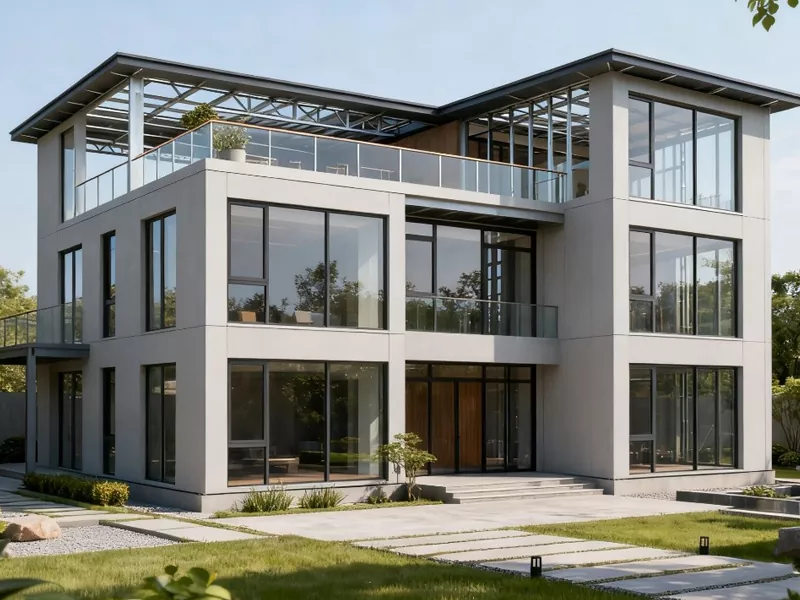
Prefabricated Homes have increasingly become a preferred choice for modern homeowners and developers. Compared with traditional construction methods, they offer faster build times, predictable quality, and cost efficiency. At our factory, we focus on producing modular units with precision engineering, ensuring that each prefabricated home project meets strict standards for structural integrity and energy efficiency. Our design team works closely with clients to customize layouts, materials, and finishes, providing homes that are both functional and aesthetically appealing.
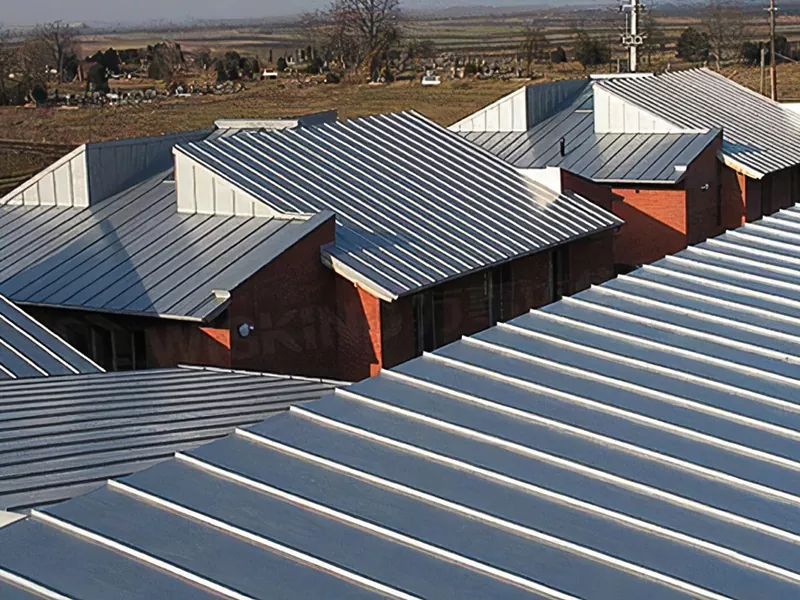
How Do Prefabricated Homes Reduce Construction Time Compared to Traditional Methods?
One of the most notable benefits of Prefabricated Homes is the significant reduction in construction time. While conventional building projects may take months or even years to complete, our factory produces modular components that are manufactured simultaneously off-site. This parallel workflow allows foundation work to progress at the construction site while units are fabricated in controlled environments. As a result, our clients experience shorter project durations and faster occupancy times.
The precision of our production process minimizes on-site delays, weather-related interruptions, and material shortages. Qingdao Eihe Steel Structure Group Co., Ltd. ensures that every Prefabricated Homes component meets stringent quality checks, including frame alignment, insulation standards, and finishing accuracy. By maintaining consistent control over production, our team guarantees that installation proceeds smoothly on-site.
In What Ways Are Prefabricated Homes More Cost-Efficient Than Traditional Houses?
Cost efficiency is a key factor driving the adoption of Prefabricated Homes. By producing components in our factory, we can reduce material waste, optimize labor allocation, and shorten construction schedules. This controlled environment enables our engineers to forecast costs more accurately, avoiding unforeseen expenses common in conventional construction. Our clients often find that the overall investment is lower, while quality and safety are maintained or even improved.
Additionally, our factory uses standardized modules and bulk purchasing of materials, which lowers per-unit costs. Qingdao Eihe Steel Structure Group Co., Ltd. works with suppliers to source high-quality steel, insulation, and finishing materials, allowing us to maintain competitive pricing without compromising durability or aesthetics. By streamlining the construction process and leveraging advanced production methods, our Prefabricated Homes provide excellent value for money.
How Do Prefabricated Homes Ensure Better Quality and Consistency?
Quality and consistency are central advantages of Prefabricated Homes. Manufacturing components in our factory allows for precise control over materials, tolerances, and assembly procedures. Every unit undergoes rigorous inspection before leaving our facility, including structural integrity, insulation performance, and water-tightness tests. This systematic approach significantly reduces construction errors and post-construction maintenance requirements.
Our factory employs advanced equipment and quality management protocols to maintain high standards across all Prefabricated Homes. With each project, our engineers verify load-bearing capabilities, wall alignment, and interior finishing. By maintaining uniformity in production, our clients benefit from predictable performance, durable construction, and reduced long-term costs.
What Are the Structural Advantages of Prefabricated Homes Over Conventional Buildings?
The structural performance of prefabricated homes is another significant advantage. Our modular units use high-strength steel frames, reinforced connections, and precision-engineered panels to resist environmental stresses. At our factory, each prefabricated home module is tested for seismic resistance, wind loads, and thermal expansion, ensuring safety and reliability for years of service. This pre-engineering approach often surpasses the structural consistency found in traditional construction methods.
Additionally, modular construction allows flexibility in design and expansion. Homeowners can add additional units without compromising structural stability. Our engineering team provides tailored solutions for single-family homes, multi-unit residential buildings, and commercial applications, optimizing load distribution and long-term durability.
Comparison Table of Prefabricated Homes vs Traditional Houses
| Aspect | Prefabricated Homes | Traditional Homes |
| Construction Time | Shorter, modules fabricated concurrently with site prep | Longer, sequential on-site construction |
| Cost | Predictable, reduced material waste | Variable, potential for overruns |
| Quality | Consistent, factory-controlled | Variable, dependent on on-site labor |
| Environmental Impact | Lower waste, energy-efficient | Higher waste, less controlled energy use |
| Customization | Flexible, modular adaptation | Limited, constrained by traditional methods |
Material and Structural Specifications of Prefabricated Homes
| Component | Specification | Benefit |
| Steel Frame | High-strength cold-formed steel | Durable, seismic-resistant, long lifespan |
| Insulation | High-density mineral wool / foam panels | Energy-efficient, thermal and acoustic insulation |
| Exterior Panels | Weather-resistant composite panels | Low maintenance, aesthetic flexibility |
| Windows | Double-glazed, low-E coating | Reduces energy consumption, improves comfort |
| Interior Finishes | Customizable MDF, plywood, or steel panels | Personalized aesthetics, durable surfaces |
Frequently Asked Questions About Prefabricated Homes
Q1: What factors make Prefabricated Homes faster to construct than traditional houses?
Prefabricated Homes benefit from off-site module production, allowing foundation work and unit fabrication to occur simultaneously. Controlled factory conditions minimize delays due to weather and material shortages, ensuring a streamlined construction schedule.
Q2: How do Prefabricated Homes maintain consistent quality?
Quality control in our factory ensures all modules meet precise specifications for materials, insulation, and structural integrity. Rigorous testing before shipment reduces errors, maintains uniformity, and reduces post-construction maintenance needs.
Q3: Why are Prefabricated Homes more environmentally sustainable?
By optimizing material usage, reducing on-site waste, and integrating energy-efficient components, Prefabricated Homes minimize environmental impact. Controlled factory processes also lower energy consumption compared to traditional on-site construction.
Conclusion
Prefabricated Homes offer advantages in construction speed, cost efficiency, quality, environmental impact, and structural reliability compared to traditional methods. Our factory is committed to producing high-performance Prefabricated Homes that meet modern requirements for safety, durability, and design flexibility. If you are considering a residential or commercial project, contact our team at Qingdao Eihe Steel Structure Group Co., Ltd. today to discuss how our solutions can deliver reliable, customized, and sustainable housing options for your next project.
Related News
- Recommended Roof Slope Values for Portal Frames and Light Steel Roof Structures
- Comprehensive Guide: Selecting the Right Exterior Wall Materials for Steel Industrial Facilities
- How Can Steel Structure City Footbridge Construction Accelerate the Formation of the Urban Pedestrian System?
- How Can Cold Chain Storage Be Properly Arranged in a Steel Structure Agricultural Product Logistics Center Construction?
- How do Container Exhibition Hall construction change traditional display spaces?
- How to Select the Appropriate Size for a Steel Frame Horse Stable Construction?
Leave me a message