English
- English
- Esperanto
- Afrikaans
- Català
- שפה עברית
- Cymraeg
- Galego
- Latviešu
- icelandic
- ייִדיש
- беларускі
- Hrvatski
- Kreyòl ayisyen
- Shqiptar
- Malti
- lugha ya Kiswahili
- አማርኛ
- Bosanski
- Frysk
- ភាសាខ្មែរ
- ქართული
- ગુજરાતી
- Hausa
- Кыргыз тили
- ಕನ್ನಡ
- Corsa
- Kurdî
- മലയാളം
- Maori
- Монгол хэл
- Hmong
- IsiXhosa
- Zulu
- Yoruba
- অসমীয়া
- ଓଡିଆ
- Punjabi
- پښتو
- Chichewa
- Samoa
- Sesotho
- සිංහල
- Gàidhlig
- Cebuano
- Somali
- Тоҷикӣ
- O'zbek
- Hawaiian
- سنڌي
- Shinra
- Հայերեն
- Igbo
- Sundanese
- Lëtzebuergesch
- Malagasy
- Español
- Português
- русский
- Français
- 日本語
- Deutsch
- tiếng Việt
- Italiano
- Nederlands
- ภาษาไทย
- Polski
- 한국어
- Svenska
- magyar
- Malay
- বাংলা ভাষার
- Dansk
- Suomi
- हिन्दी
- Pilipino
- Türkçe
- Gaeilge
- العربية
- Indonesia
- Norsk
- تمل
- český
- ελληνικά
- український
- Javanese
- فارسی
- தமிழ்
- తెలుగు
- नेपाली
- Burmese
- български
- ລາວ
- Latine
- Қазақша
- Euskal
- Azərbaycan
- Slovenský jazyk
- Македонски
- Lietuvos
- Eesti Keel
- Română
- Slovenski
- मराठी
- Srpski језик

How to Effectively Protect Steel Structure Buildings Against Fire?
Steel is non-combustible with inherent fire resistance, yet its mechanical properties are highly susceptible to high temperatures. When the ambient temperature rises to around 550°C, the yield strength of steel drops sharply and its load-bearing capacity fails rapidly, which may lead to the collapse of the whole structure. Accordingly, fire protection is an essential measure to safeguard building integrity, personal safety and property. Adequate fire-resistant measures shall be equipped for steel structure buildings, concrete buildings and timber buildings alike.
Steel structure fire protection mainly has two approaches: active fire protection and passive fire protection.
Active fire protection refers to measures of induction and intervention through intelligent detection equipment, which is mostly used in special places such as chemical enterprises and key equipment rooms. Passive fire protection is a method to gain time by slowing down the temperature rise of steel. It is the basic protection scheme for most steel structure buildings and the main method for steel structure fire prevention. A protective layer is usually arranged on the steel surface to block or delay the heat transfer into the steel, so as to prolong the temperature resistance of steel. Typical measures include spraying fire-resistant coatings, cladding with fireproof boards, pouring concrete or wrapping with masonry walls.
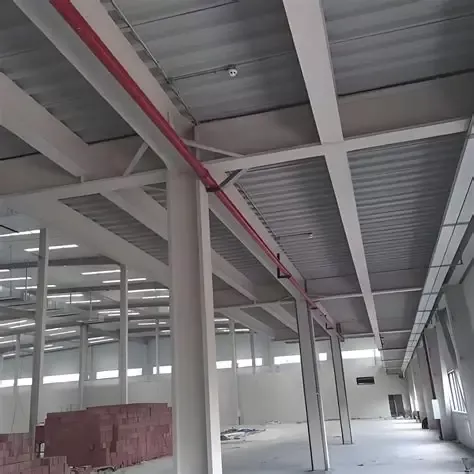
Spraying fire-resistant coatings
It is the most widely used and most commonly adopted method for steel structure fire protection. According to coating thickness and fire-resistant mechanism, it is mainly divided into ultra-thin fire-resistant coatings, thin fire-resistant coatings and thick fire-resistant coatings.
|
Item |
Ultra-thin Type |
Thin Type |
Thick Type |
|
Coating Thickness |
≤3mm |
3mm – 7mm |
7mm – 45mm |
|
Working Principle |
Intumesce and foam under high temperature |
Intumesce and foam when exposed to fire |
Heat insulation relying on material inherent property |
|
Advantages |
Good decorative effect, low consumption, light self-weight, convenient construction and relatively low cost |
Fairly good appearance with balanced overall performance |
Stable fire resistance, reliable thermal insulation and excellent long-term durability |
|
Disadvantages |
High requirement on surface preparation; not applicable to permanently humid environment |
Inferior decoration compared with ultra-thin type; limited foaming ratio |
Rough and uneven surface with poor decoration, heavy self-weight, long construction period and lengthy curing time |
|
Fire Resistance Limit |
≤1.5h |
≤2.0h |
2.0h–3.0h |
|
Typical Application Scenarios |
Exposed steel members with high aesthetic requirements |
Beams and columns of steel workshops, steel structures for general public buildings |
Concealed components, steel columns of high-rise buildings, steel columns of multi-storey factories, etc. |
|
Coating Material Cost |
RMB 8,000~12,000 per ton |
RMB 5,000~8,000 per ton |
RMB 2,500~4,500 per ton |
|
Construction Cost |
RMB 5~8 per ㎡ per mm |
RMB 5~8 per ㎡ per mm |
RMB 5~7 per ㎡ per mm |
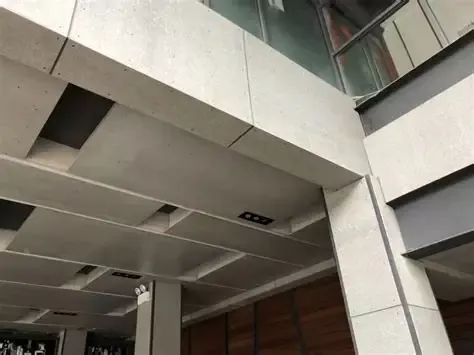
Cladding with Fireproof Boards
This method involves fixing fireproof boards on the surface of steel structures with keels to fully enclose the structural components. Commonly used fireproof panels include calcium silicate fireproof boards, expanded vermiculite fireproof boards, fiber-reinforced cement boards, etc., with a fire resistance limit of 2 to 3 hours. It features dry construction, excellent decorative effect, stable performance and good structural integrity, yet it has disadvantages of high cost and large space occupation. It is suitable for exposed columns and prefabricated steel structure buildings.
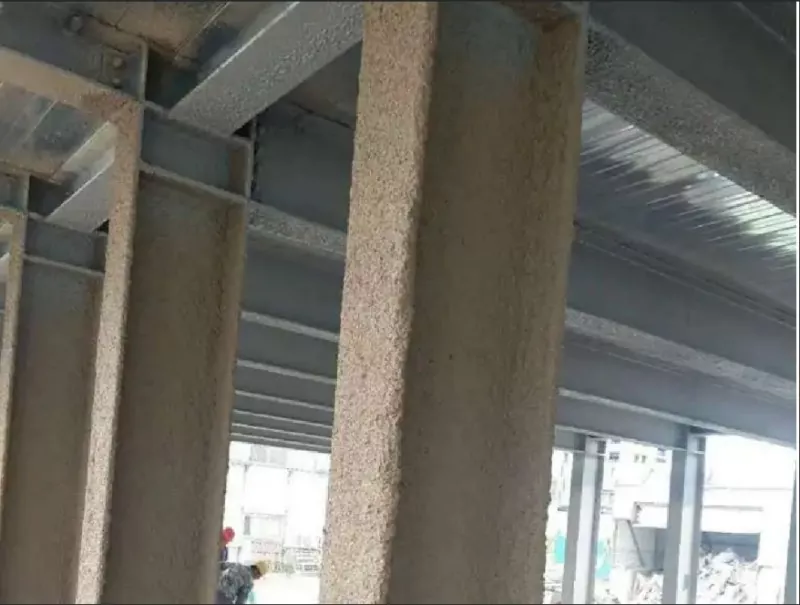
External Wrapping with Concrete, Mortar or Brick Masonry
The working principle is to fully encase steel members with concrete, mortar or brick masonry to form a rigid protective layer, achieving a fire resistance limit ranging from 1.5 hours to 3.0 hours. It boasts advantages of high strength, good impact resistance, stable performance, abundant material options and maintenance-free service. Nevertheless, it comes with disadvantages including large space occupation, complicated construction and wet operation. It is applicable to steel columns vulnerable to collision without protective panels, positions requiring both anti-corrosion and fire protection treatments, as well as partially encased steel-concrete composite components.
In summary, the selection of fire protection solutions for steel structures shall be determined according to required fire resistance rating, component type, service environment and maintenance cost, so as to guarantee structural integrity within the specified fire endurance period. In most cases, instead of adopting a single fireproof method, a combined segmented layout strategy is applied to achieve cost-effective and reliable fire protection. EHSS has been deeply engaged in the steel structure industry for 21 years. Please feel free to contact us for further inquiries.
Related News
- How to Choose C and Z Purlins for Steel Structure Warehouses?
- Which Residential Projects Are Suitable for Modular Shipping Container Homes?
- What Are the Differences Between Prefabricated Container Motel Construction and Traditional Motels?
- What construction costs can be reduced by using steel structure canteen construction?
- What Are the Application Scenarios of Customized Residential Container Warehouse Construction?
- Recommended Roof Slope Values for Portal Frames and Light Steel Roof Structures
Leave me a message






News Recommendations