English
- English
- Esperanto
- Afrikaans
- Català
- שפה עברית
- Cymraeg
- Galego
- Latviešu
- icelandic
- ייִדיש
- беларускі
- Hrvatski
- Kreyòl ayisyen
- Shqiptar
- Malti
- lugha ya Kiswahili
- አማርኛ
- Bosanski
- Frysk
- ភាសាខ្មែរ
- ქართული
- ગુજરાતી
- Hausa
- Кыргыз тили
- ಕನ್ನಡ
- Corsa
- Kurdî
- മലയാളം
- Maori
- Монгол хэл
- Hmong
- IsiXhosa
- Zulu
- Yoruba
- অসমীয়া
- ଓଡିଆ
- Punjabi
- پښتو
- Chichewa
- Samoa
- Sesotho
- සිංහල
- Gàidhlig
- Cebuano
- Somali
- Тоҷикӣ
- O'zbek
- Hawaiian
- سنڌي
- Shinra
- Հայերեն
- Igbo
- Sundanese
- Lëtzebuergesch
- Malagasy
- Español
- Português
- русский
- Français
- 日本語
- Deutsch
- tiếng Việt
- Italiano
- Nederlands
- ภาษาไทย
- Polski
- 한국어
- Svenska
- magyar
- Malay
- বাংলা ভাষার
- Dansk
- Suomi
- हिन्दी
- Pilipino
- Türkçe
- Gaeilge
- العربية
- Indonesia
- Norsk
- تمل
- český
- ελληνικά
- український
- Javanese
- فارسی
- தமிழ்
- తెలుగు
- नेपाली
- Burmese
- български
- ລາວ
- Latine
- Қазақша
- Euskal
- Azərbaycan
- Slovenský jazyk
- Македонски
- Lietuvos
- Eesti Keel
- Română
- Slovenski
- मराठी
- Srpski језик

Why Choose a Steel Frame Building for Modern Construction?
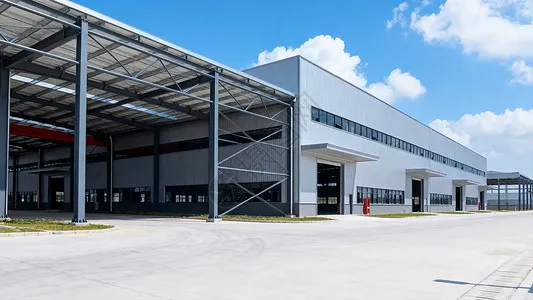
Steel frame building solutions have become essential in today's industrial, commercial, and residential construction markets. With strong structural integrity, fast installation, and long-term cost efficiency, steel structures are widely adopted across many regions. Whether for warehouses, workshops, offices, or customized architectural projects, a Steel Frame Building offers unmatched durability and flexibility. Many clients rely on trusted manufacturers such as Qingdao Eihe Steel Structure Group Co., Ltd. to ensure high-quality engineering and excellent performance in long-term use.

What Makes Steel Frame Building Technology So Reliable?
The reliability of a steel frame building comes from its structural advantages, precision engineering, and tested materials. Steel structures maintain stability under heavy loads, resist corrosion with proper coatings, and withstand extreme environments. Their modular design also ensures efficient transportation and installation. With advanced fabrication technology, each component meets strict industrial standards to guarantee quality and safety.
How Do the Main Product Parameters Define Performance?
The performance of a steel frame building is determined by several key parameters, including steel grade, structural design, surface treatment, and installation method. Below is a clear and simple parameter table to provide a professional overview.
Steel Frame Building Parameters
| Parameter Category | Specification Options |
|---|---|
| Steel Material | Q235, Q345, Q355, customized grades |
| Structure Type | Portal frame, H-beam, truss system, multi-storey steel frame |
| Surface Treatment | Hot-dip galvanizing, painted coating, anti-rust primer |
| Wall/Roof Panels | Sandwich panel, corrugated steel sheet, PU/EPS/rock wool options |
| Connection Method | High-strength bolts, welded joints |
| Design Standard | ASTM, GB, EN, AS/NZS (based on project requirements) |
| Span Range | Typically 12–60m, customizable |
| Lifespan | 30–50 years depending on environment and maintenance |
These parameters guide clients in selecting a building solution that fits their usage scenario—whether for agricultural storage, factory production, logistics centers, or commercial spaces.
Why Does a Steel Frame Building Bring Higher Efficiency?
A steel frame building significantly improves construction efficiency due to its modular and prefabricated design. All primary structures are produced in a controlled factory environment and delivered to the site for fast assembly. This reduces labor costs, shortens project time, and minimizes on-site errors. Furthermore, steel structures allow flexible layout adjustments and future expansion without major demolition, making them an ideal choice for long-term business development.
How Does a Steel Frame Building Improve Overall Structural Safety?
Safety is one of the main reasons many developers choose steel over traditional materials. Steel frame buildings provide excellent resistance to:
-
Earthquakes due to ductile behavior
-
Strong winds thanks to rigid connections
-
Fire with optional fire-resistant coatings
-
Corrosion through galvanizing or advanced painting
-
Heavy snow loads due to high structural strength
These safety advantages make steel structures suitable for both harsh climates and high-demand operational environments.
Why Are Steel Frame Buildings Important for Modern Industry?
Steel structures support the development of logistics, manufacturing, retail, agriculture, and warehousing. Their adaptability, cost-effectiveness, and sustainability meet modern environmental and economic expectations. Manufacturers like Qingdao Eihe Steel Structure Group Co., Ltd. integrate advanced engineering and high-precision fabrication, ensuring structural performance while reducing energy consumption in production and installation.
FAQ About Steel Frame Building
1. What is the main advantage of choosing a Steel Frame Building?
A Steel Frame Building offers high structural strength, long lifespan, fast installation, and lower long-term maintenance costs. Its prefabricated components allow efficient construction, making it suitable for industrial and commercial projects.
2. How long does a Steel Frame Building typically last?
With proper surface treatment such as galvanizing or high-grade coatings, a Steel Frame Building can last 30–50 years or more, depending on environmental conditions and routine maintenance.
3. Can a Steel Frame Building be customized for different industries?
Yes. A Steel Frame Building can be designed based on specific project requirements, including span, height, loading capacity, insulation materials, and functional layout, making it applicable for warehouses, factories, offices, and agricultural facilities.
4. What factors influence the cost of a Steel Frame Building?
Cost is affected by design complexity, steel grade, surface treatment, panel type, local installation conditions, and transportation distance. Working with experienced manufacturers helps optimize cost without compromising safety or quality.
Conclusion
A Steel Frame Building is a practical, durable, and highly efficient structural solution widely used across modern industries. Its strong load capacity, flexible design, fast installation, and long service life make it an excellent choice for businesses seeking reliable construction. For high-quality engineering, customized solutions, and professional technical support, companies such as Qingdao Eihe Steel Structure Group Co., Ltd. provide comprehensive services from design to installation.
If you would like further details, quotations, or project guidance, feel free to contact Qingdao Eihe Steel Structure Group Co., Ltd. anytime.
Related News
- Recommended Roof Slope Values for Portal Frames and Light Steel Roof Structures
- Comprehensive Guide: Selecting the Right Exterior Wall Materials for Steel Industrial Facilities
- How Can Steel Structure City Footbridge Construction Accelerate the Formation of the Urban Pedestrian System?
- How Can Cold Chain Storage Be Properly Arranged in a Steel Structure Agricultural Product Logistics Center Construction?
- How do Container Exhibition Hall construction change traditional display spaces?
- How to Select the Appropriate Size for a Steel Frame Horse Stable Construction?
Leave me a message