English
- English
- Esperanto
- Afrikaans
- Català
- שפה עברית
- Cymraeg
- Galego
- Latviešu
- icelandic
- ייִדיש
- беларускі
- Hrvatski
- Kreyòl ayisyen
- Shqiptar
- Malti
- lugha ya Kiswahili
- አማርኛ
- Bosanski
- Frysk
- ភាសាខ្មែរ
- ქართული
- ગુજરાતી
- Hausa
- Кыргыз тили
- ಕನ್ನಡ
- Corsa
- Kurdî
- മലയാളം
- Maori
- Монгол хэл
- Hmong
- IsiXhosa
- Zulu
- Yoruba
- অসমীয়া
- ଓଡିଆ
- Punjabi
- پښتو
- Chichewa
- Samoa
- Sesotho
- සිංහල
- Gàidhlig
- Cebuano
- Somali
- Тоҷикӣ
- O'zbek
- Hawaiian
- سنڌي
- Shinra
- Հայերեն
- Igbo
- Sundanese
- Lëtzebuergesch
- Malagasy
- Español
- Português
- русский
- Français
- 日本語
- Deutsch
- tiếng Việt
- Italiano
- Nederlands
- ภาษาไทย
- Polski
- 한국어
- Svenska
- magyar
- Malay
- বাংলা ভাষার
- Dansk
- Suomi
- हिन्दी
- Pilipino
- Türkçe
- Gaeilge
- العربية
- Indonesia
- Norsk
- تمل
- český
- ελληνικά
- український
- Javanese
- فارسی
- தமிழ்
- తెలుగు
- नेपाली
- Burmese
- български
- ລາວ
- Latine
- Қазақша
- Euskal
- Azərbaycan
- Slovenský jazyk
- Македонски
- Lietuvos
- Eesti Keel
- Română
- Slovenski
- मराठी
- Srpski језик

Why Is Steel Structure Air Corridor Construction Essential for Modern Buildings?
Steel structure air corridor construction has become an important solution for modern commercial buildings, industrial parks, hospitals, airports, shopping centers, and intelligent manufacturing facilities. With advantages such as high strength, fast installation, flexible span design, and excellent durability, steel air corridors help connect different buildings safely and efficiently while improving traffic flow and architectural appearance.
This article explores the key benefits, design principles, structural systems, construction procedures, safety considerations, cost factors, and practical applications of steel structure air corridor construction. It also explains how businesses can reduce project risks, improve operational efficiency, and achieve long-term value through professional engineering solutions.

Contents
- 1. What Is Steel Structure Air Corridor Construction?
- 2. Main Advantages of Steel Structure Air Corridors
- 3. Why Steel Is Preferred for Air Corridor Projects
- 4. Common Applications in Different Industries
- 5. Key Design Principles for Air Corridors
- 6. Step-by-Step Construction Process
- 7. Safety and Structural Stability Considerations
- 8. What Factors Affect Construction Costs?
- 9. Steel Structure vs Concrete Corridor Systems
- 10. Maintenance and Long-Term Performance
- 11. Environmental and Sustainability Benefits
- 12. How to Choose the Right Contractor
- 13. Future Trends in Air Corridor Construction
- 14. Frequently Asked Questions
- 15. Conclusion
1. What Is Steel Structure Air Corridor Construction?
Steel structure air corridor construction refers to the engineering and installation of elevated passageways that connect two or more buildings through steel structural systems. These corridors are commonly suspended above roads, factory zones, public spaces, or transportation routes.
Unlike traditional enclosed walkways made from reinforced concrete, steel air corridors provide lighter structural loads, faster assembly, and more flexible architectural designs. They are widely used in:
- Commercial complexes
- Hospitals and healthcare centers
- Industrial manufacturing plants
- Airport terminals
- University campuses
- Hotels and convention centers
- Logistics and warehouse parks
The primary purpose of these corridors is to improve pedestrian movement, equipment transportation, operational efficiency, and safety between buildings.
2. Main Advantages of Steel Structure Air Corridors
Modern construction projects demand flexibility, speed, and durability. Steel structure air corridors offer significant advantages compared with conventional building connection systems.
| Advantage | Description |
|---|---|
| High Strength | Steel supports long-span structures with excellent load-bearing capacity. |
| Fast Installation | Prefabricated steel components reduce on-site construction time. |
| Lightweight Structure | Steel reduces foundation pressure compared to concrete systems. |
| Architectural Flexibility | Modern appearance with customizable shapes and glass integration. |
| Durability | Corrosion-resistant coatings extend service life. |
| Seismic Resistance | Steel performs well under dynamic and earthquake loads. |
For industrial and commercial clients, these advantages translate into lower project delays, better space utilization, and improved user experience.
3. Why Steel Is Preferred for Air Corridor Projects
Steel has become one of the most trusted construction materials because of its unique engineering characteristics.
Key reasons include:
- Excellent tensile and compressive strength
- Stable structural performance over large spans
- Reduced structural deformation
- Ease of prefabrication and modular production
- Compatibility with glass curtain walls and aluminum systems
- Lower dead load compared with concrete
Advanced fabrication technology also allows steel members to be manufactured with high precision, which significantly improves installation efficiency.
In modern smart industrial parks and transportation hubs, steel air corridors can support both pedestrian traffic and mechanical systems such as pipelines, conveyors, and utility networks.
4. Common Applications in Different Industries
Steel structure air corridors are used across many sectors because of their versatility and scalability.
| Industry | Application |
|---|---|
| Healthcare | Connecting hospital departments safely |
| Manufacturing | Linking workshops and warehouses |
| Transportation | Airport passenger corridors and transit systems |
| Commercial Buildings | Connecting shopping malls and office towers |
| Education | Campus pedestrian skywalks |
| Hotels | Luxury elevated walkway systems |
These structures improve operational continuity while reducing exposure to traffic, weather, and external risks.
5. Key Design Principles for Air Corridors
A successful steel structure air corridor project depends heavily on professional engineering and architectural coordination.
Critical design considerations include:
- Span length and load distribution
- Wind resistance calculations
- Seismic performance requirements
- Thermal expansion control
- Pedestrian comfort and vibration limits
- Fireproofing systems
- Drainage and waterproofing
- Natural lighting and ventilation
Designers must also evaluate building connection points carefully to ensure that the corridor integrates safely with the existing structures.
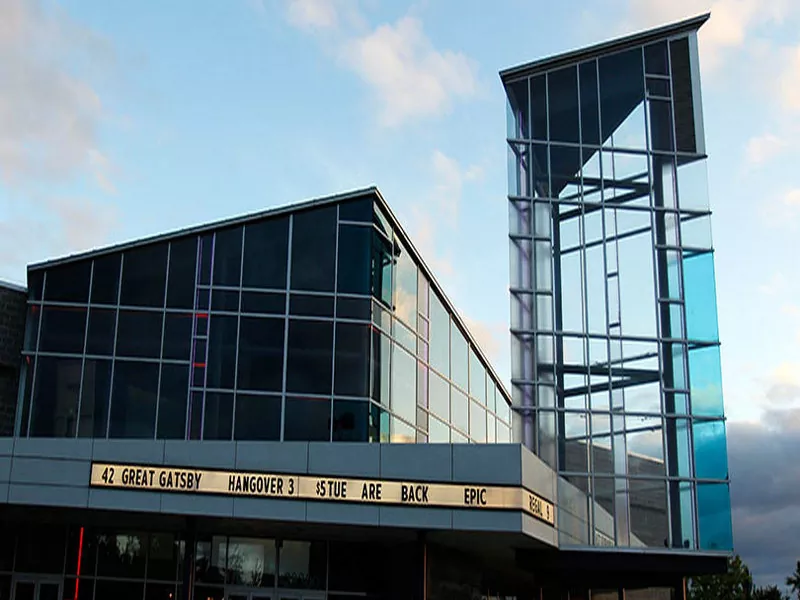
Glass curtain walls, insulated sandwich panels, aluminum cladding, and skylight systems are often integrated to improve aesthetics and energy efficiency.
6. Step-by-Step Construction Process
The construction process for steel structure air corridors typically follows several organized stages.
- Site Investigation and Engineering Analysis
- Structural Design and BIM Modeling
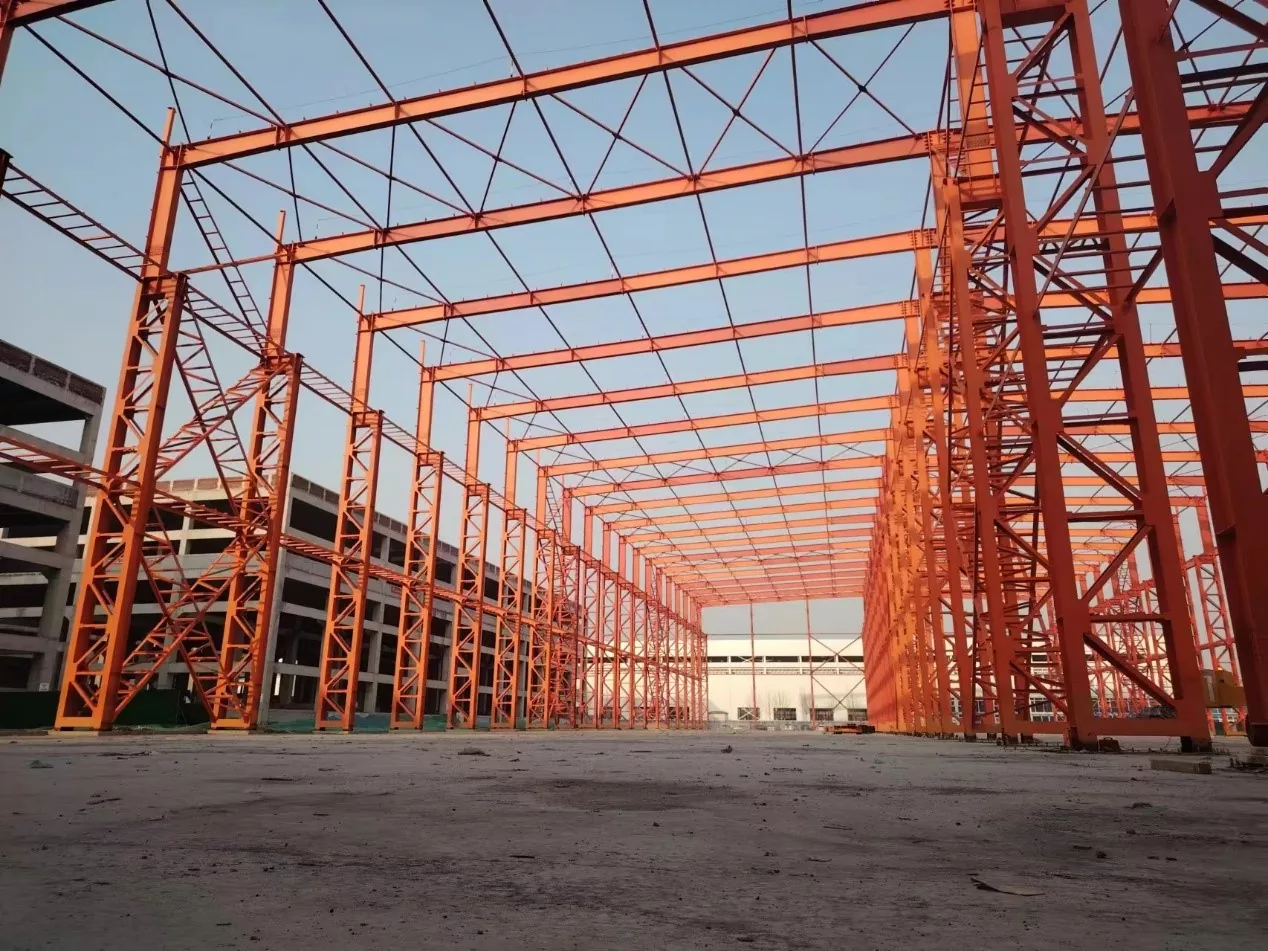
- Steel Fabrication in Factory
- Transportation of Components
- Foundation and Support Preparation
- Steel Structure Installation
- Roof and Wall System Installation
- Mechanical and Electrical Integration
- Inspection and Safety Testing
- Project Completion and Delivery
Prefabrication is one of the most valuable advantages in modern steel construction. Most structural components are produced in factories under strict quality control conditions before arriving on-site.
This minimizes construction waste and reduces labor intensity at the project location.
7. Safety and Structural Stability Considerations
Safety remains one of the most important aspects of air corridor construction.
Professional engineers must evaluate:
- Dynamic pedestrian loads
- Wind vibration effects
- Earthquake resistance
- Emergency evacuation requirements
- Fire resistance ratings
- Corrosion protection systems
- Connection stability between buildings
Modern steel structures often use:
- High-strength bolts
- Welded rigid frame systems
- Anti-slip flooring
- Fire-retardant coatings
- Galvanized steel protection
Regular structural inspections further ensure long-term operational safety.
8. What Factors Affect Construction Costs?
The total cost of steel structure air corridor construction depends on multiple engineering and project management factors.
| Cost Factor | Impact on Budget |
|---|---|
| Project Span | Longer spans require stronger steel systems. |
| Material Grade | Higher-grade steel increases durability and cost. |
| Glass Curtain Walls | Architectural finishes influence pricing. |
| Installation Conditions | Complex urban environments increase labor requirements. |
| Transportation Distance | Affects logistics expenses. |
| Safety Requirements | Advanced fireproofing and seismic systems increase investment. |
Although initial investment may be higher than some conventional systems, steel structures often provide better lifecycle value because of lower maintenance and faster project delivery.
9. Steel Structure vs Concrete Corridor Systems
| Feature | Steel Structure | Concrete Structure |
|---|---|---|
| Construction Speed | Fast | Slower |
| Weight | Lightweight | Heavy |
| Flexibility | High | Limited |
| Seismic Performance | Excellent | Moderate |
| Appearance | Modern | Traditional |
| Maintenance | Lower | Higher repair complexity |
10. Maintenance and Long-Term Performance
Proper maintenance ensures that steel structure air corridors maintain their performance for decades.
Recommended maintenance practices include:
- Regular corrosion inspections
- Protective coating maintenance
- Drainage system cleaning
- Bolt connection checks
- Glass system inspection
- Structural deformation monitoring
High-quality galvanized steel and fluorocarbon coatings significantly extend service life even in humid or coastal environments.
11. Environmental and Sustainability Benefits
Steel structure systems support environmentally responsible construction practices.
Key sustainability advantages include:
- Steel is highly recyclable
- Reduced material waste during fabrication
- Lower on-site pollution
- Energy-efficient prefabrication production
- Reduced transportation requirements through modular systems
- Compatibility with green building technologies
Modern steel corridors can also integrate solar panels, natural lighting systems, and smart ventilation technologies to improve energy efficiency.
12. How to Choose the Right Contractor
Choosing the right construction partner is critical for project success.
Clients should evaluate:
- Engineering experience
- Manufacturing capabilities
- International project portfolio
- Quality control systems
- Installation team expertise
- Project management ability
- Certifications and technical standards
An experienced steel structure contractor can help optimize design efficiency, reduce project delays, and control long-term operational costs.
Qingdao Eihe Steel Structure Group Co., Ltd. has extensive experience in steel structure engineering, industrial construction, prefabricated building systems, and complex steel air corridor projects for international clients.
13. Future Trends in Air Corridor Construction
The future of steel structure air corridor construction is closely connected with smart cities, modular construction, and digital engineering technologies.
Emerging trends include:
- BIM-integrated design systems
- Smart monitoring sensors
- Modular prefabricated corridors
- Lightweight high-strength steel materials
- Energy-saving glass systems
- Automated fabrication technologies
As urban infrastructure becomes more interconnected, elevated steel corridors will continue to play a major role in improving mobility and operational efficiency.
14. Frequently Asked Questions
Q1: How long does steel structure air corridor construction take?
Project duration depends on size and complexity, but prefabricated steel systems usually reduce construction time significantly compared with concrete structures.
Q2: Are steel air corridors safe during earthquakes?
Yes. Steel structures offer excellent seismic resistance because of their flexibility and strength.
Q3: Can steel air corridors support heavy equipment?
Yes. Proper engineering design allows corridors to support pedestrians, utility systems, and mechanical equipment loads.
Q4: What is the typical lifespan of a steel air corridor?
With proper maintenance and corrosion protection, steel corridors can last several decades.
Q5: Are steel corridors suitable for extreme weather conditions?
Yes. Steel structures can be designed to withstand strong winds, snow loads, and temperature variations.
Q6: Can customized architectural designs be achieved?
Absolutely. Steel provides exceptional flexibility for modern architectural styles and large-span structures.
15. Conclusion
Steel structure air corridor construction has become an important solution for modern infrastructure and commercial development. With advantages including rapid installation, excellent strength, modern appearance, and long-term durability, steel corridor systems help businesses improve connectivity, safety, and operational efficiency.
From hospitals and airports to industrial parks and commercial complexes, professionally engineered steel air corridors create practical and visually impressive solutions for modern architecture.
If you are planning a steel structure air corridor project and need reliable engineering support, fabrication expertise, and international project experience, Qingdao Eihe Steel Structure Group Co., Ltd. can provide customized solutions tailored to your requirements.
Contact Qingdao Eihe Steel Structure Group Co., Ltd. today for professional consultation, customized engineering solutions, and competitive project support for global construction projects.
Related News
- Recommended Roof Slope Values for Portal Frames and Light Steel Roof Structures
- Comprehensive Guide: Selecting the Right Exterior Wall Materials for Steel Industrial Facilities
- How Can Steel Structure City Footbridge Construction Accelerate the Formation of the Urban Pedestrian System?
- How Can Cold Chain Storage Be Properly Arranged in a Steel Structure Agricultural Product Logistics Center Construction?
- How do Container Exhibition Hall construction change traditional display spaces?
- How to Select the Appropriate Size for a Steel Frame Horse Stable Construction?
Leave me a message