English
- English
- Esperanto
- Afrikaans
- Català
- שפה עברית
- Cymraeg
- Galego
- Latviešu
- icelandic
- ייִדיש
- беларускі
- Hrvatski
- Kreyòl ayisyen
- Shqiptar
- Malti
- lugha ya Kiswahili
- አማርኛ
- Bosanski
- Frysk
- ភាសាខ្មែរ
- ქართული
- ગુજરાતી
- Hausa
- Кыргыз тили
- ಕನ್ನಡ
- Corsa
- Kurdî
- മലയാളം
- Maori
- Монгол хэл
- Hmong
- IsiXhosa
- Zulu
- Yoruba
- অসমীয়া
- ଓଡିଆ
- Punjabi
- پښتو
- Chichewa
- Samoa
- Sesotho
- සිංහල
- Gàidhlig
- Cebuano
- Somali
- Тоҷикӣ
- O'zbek
- Hawaiian
- سنڌي
- Shinra
- Հայերեն
- Igbo
- Sundanese
- Lëtzebuergesch
- Malagasy
- Español
- Português
- русский
- Français
- 日本語
- Deutsch
- tiếng Việt
- Italiano
- Nederlands
- ภาษาไทย
- Polski
- 한국어
- Svenska
- magyar
- Malay
- বাংলা ভাষার
- Dansk
- Suomi
- हिन्दी
- Pilipino
- Türkçe
- Gaeilge
- العربية
- Indonesia
- Norsk
- تمل
- český
- ελληνικά
- український
- Javanese
- فارسی
- தமிழ்
- తెలుగు
- नेपाली
- Burmese
- български
- ລາວ
- Latine
- Қазақша
- Euskal
- Azərbaycan
- Slovenský jazyk
- Македонски
- Lietuvos
- Eesti Keel
- Română
- Slovenski
- मराठी
- Srpski језик

Why Is SOHO Steel Construction Transforming Modern Commercial Buildings?
SOHO steel construction has become one of the most practical and efficient building solutions for modern commercial projects. From office complexes and mixed-use developments to industrial workspaces and creative business hubs, steel structures provide flexibility, speed, durability, and cost advantages that traditional building methods often struggle to match. This article explores how SOHO steel construction works, why businesses are adopting it rapidly, and how investors, developers, and contractors can maximize long-term value through intelligent steel building strategies.

Table of Contents
- 1. What Is SOHO Steel Construction?
- 2. Why Are Steel Structures Popular in SOHO Projects?
- 3. Common Applications of SOHO Steel Buildings
- 4. Steel Construction vs Traditional Concrete Structures
- 5. How Does Steel Construction Reduce Costs?
- 6. Design Flexibility and Architectural Freedom
- 7. Faster Construction and Project Delivery
- 8. Durability and Structural Reliability
- 9. Sustainability Benefits of SOHO Steel Construction
- 10. Smart Technology in Steel Structure Engineering
- 11. Common Customer Pain Points and Solutions
- 12. How to Choose the Right Steel Construction Partner
- 13. Future Trends in SOHO Steel Construction
- 14. Frequently Asked Questions
- 15. Conclusion
1. What Is SOHO Steel Construction?
SOHO steel construction refers to steel-structured buildings designed for “Small Office Home Office” or modern mixed-use commercial spaces. These buildings commonly combine office areas, showrooms, coworking spaces, warehouses, retail zones, and light industrial operations into one integrated structure.
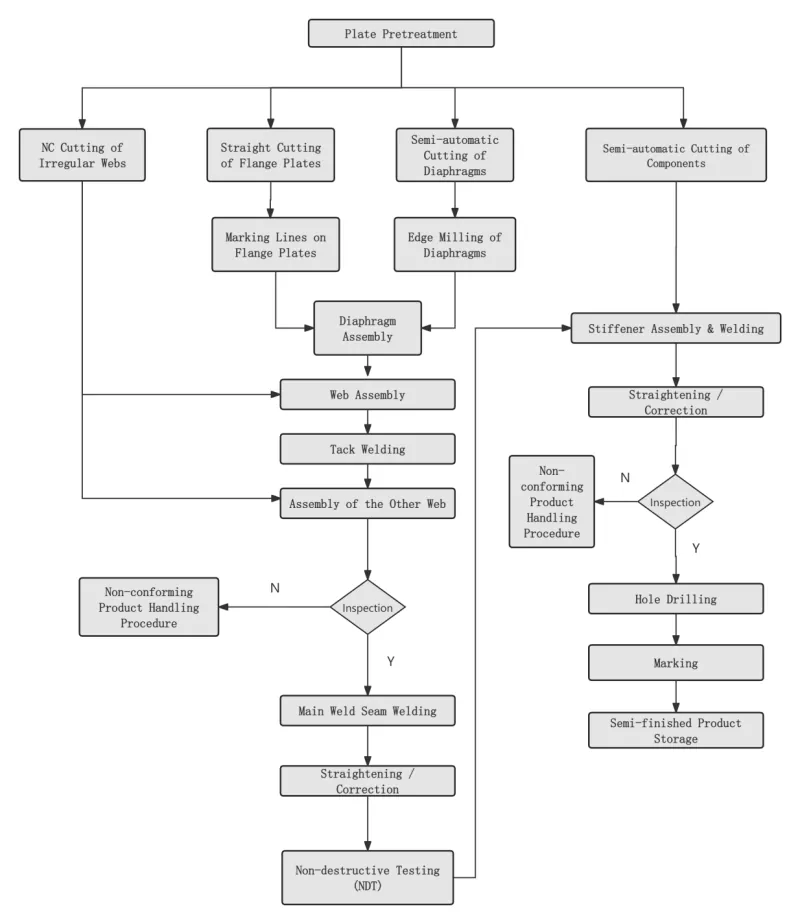
Unlike traditional concrete buildings, SOHO steel structures use fabricated steel components such as beams, columns, trusses, and prefabricated panels. These components are manufactured in controlled factory environments before being transported to the project site for rapid assembly.
This construction approach is widely used in:
- Commercial office parks
- Creative business campuses
- Startup incubators
- Industrial office buildings
- Technology parks
- Mixed-use developments
- Logistics and distribution centers
As businesses increasingly prioritize flexibility, scalability, and operational efficiency, SOHO steel construction has emerged as a highly competitive solution for modern infrastructure development.
2. Why Are Steel Structures Popular in SOHO Projects?
One of the biggest reasons steel structures dominate modern SOHO construction is their ability to solve multiple business challenges simultaneously. Developers today must control costs, shorten project timelines, maximize usable space, and ensure long-term structural reliability.
Steel construction addresses these goals effectively.
| Key Advantage | Business Benefit |
|---|---|
| Fast Installation | Reduces project delays and labor costs |
| Large Span Capability | Creates open interior layouts |
| Lightweight Structure | Lowers foundation requirements |
| Prefabrication | Improves quality consistency |
| Scalability | Supports future expansion |
| Recyclability | Supports environmentally responsible construction |
For investors and property developers, these advantages directly influence profitability and operational efficiency.
3. Common Applications of SOHO Steel Buildings
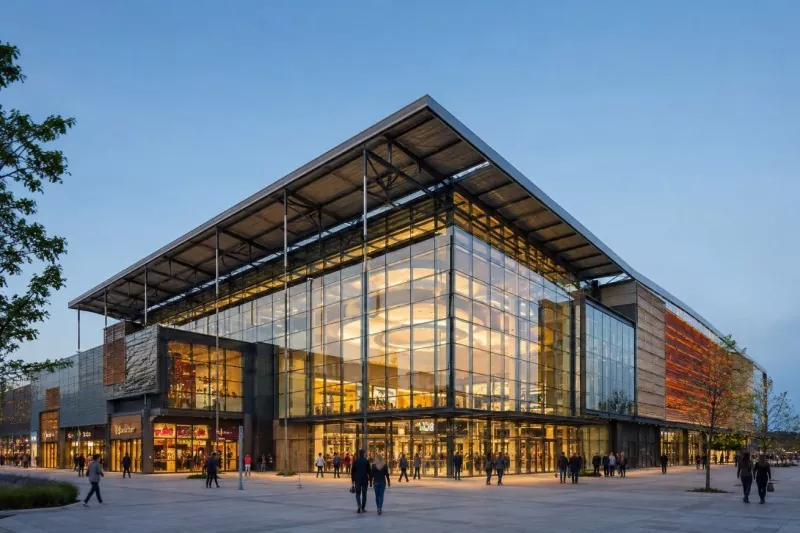
SOHO steel structures are no longer limited to warehouses or factories. Today, architects and developers are creating visually impressive commercial spaces using advanced steel engineering techniques.
Popular applications include:
- Business innovation centers
- Commercial office towers
- Industrial loft offices
- Creative coworking environments
- Research laboratories
- Retail-commercial combinations
- Technology manufacturing facilities
- Smart logistics hubs
Steel construction provides architectural freedom that supports modern aesthetics while maintaining structural performance.
4. Steel Construction vs Traditional Concrete Structures
| Factor | Steel Structure | Concrete Structure |
|---|---|---|
| Construction Speed | Very Fast | Slower |
| Weight | Lightweight | Heavy |
| Flexibility | Excellent | Moderate |
| Earthquake Resistance | Strong | Average |
| Environmental Impact | Recyclable Materials | Higher Waste Generation |
| Future Expansion | Easy | Complex |
For many commercial developments, steel structures provide superior long-term adaptability and financial performance.
5. How Does Steel Construction Reduce Costs?
Cost efficiency remains one of the top concerns for project owners. SOHO steel construction can significantly lower total project expenses in several ways.
- Reduced labor requirements
- Shorter project schedules
- Lower transportation costs through prefabrication
- Reduced foundation expenses
- Lower maintenance costs
- Energy-saving insulation systems
- Less construction waste
Time savings alone can dramatically improve return on investment. Faster project completion means earlier operational use, faster tenant occupancy, and quicker revenue generation.
Additionally, precision manufacturing minimizes material waste and costly on-site corrections.
6. Design Flexibility and Architectural Freedom
Modern businesses often require flexible spaces capable of adapting to changing operational needs. Steel construction enables wide-span interiors without excessive support columns, creating open and highly customizable layouts.
Architects benefit from:
- Long-span structural systems
- Modern industrial aesthetics
- Glass curtain wall integration
- Multi-floor flexibility
- Creative façade options
- Roof design versatility
This flexibility allows companies to create visually appealing environments that enhance employee productivity and customer experiences.
7. Faster Construction and Project Delivery
Construction delays can severely affect budgets and business operations. One of the strongest advantages of SOHO steel construction is accelerated project delivery.
Because most components are prefabricated in factories, site assembly becomes significantly faster compared to traditional building methods.
Key speed advantages include:
- Parallel foundation and fabrication work
- Reduced weather-related delays
- Simplified installation procedures
- Improved construction accuracy
- Reduced dependency on large labor teams
Many commercial steel projects achieve completion 30% to 50% faster than conventional concrete structures.
8. Durability and Structural Reliability
Modern steel buildings are engineered to withstand challenging environmental conditions. Properly designed SOHO steel structures demonstrate excellent performance against:
- Earthquakes
- Strong winds
- Heavy snow loads
- Corrosion risks
- Long-term structural stress
Advanced protective coatings and galvanized steel technologies significantly improve corrosion resistance and overall building lifespan.
When maintained properly, steel structures can remain operational for decades with minimal structural deterioration.
9. Sustainability Benefits of SOHO Steel Construction
Environmental responsibility is increasingly important in modern construction. Steel structures support sustainable building objectives through recyclable materials and energy-efficient systems.
Major sustainability advantages include:
- High recyclability of steel components
- Reduced construction waste
- Lower environmental impact during installation
- Energy-efficient insulation systems
- Potential integration with solar technologies
- Reduced site pollution
These features make steel buildings highly suitable for green commercial developments and environmentally conscious investors.
10. Smart Technology in Steel Structure Engineering
Modern steel construction increasingly relies on digital engineering technologies that improve precision and project coordination.
Common technologies include:
- BIM (Building Information Modeling)
- 3D structural simulation
- Automated fabrication systems
- AI-assisted project management
- Laser cutting technology
- Robotic welding systems
These innovations reduce human error while improving manufacturing consistency and installation efficiency.
11. Common Customer Pain Points and Solutions
| Customer Concern | Steel Construction Solution |
|---|---|
| High labor costs | Prefabrication minimizes on-site labor |
| Project delays | Rapid installation shortens schedules |
| Limited space flexibility | Wide-span structural systems |
| Future expansion uncertainty | Easy modular expansion capability |
| Maintenance concerns | Durable coatings and engineered protection |
Understanding these pain points helps project owners choose better construction strategies and avoid unnecessary long-term expenses.
12. How to Choose the Right Steel Construction Partner
Choosing the right steel construction company is critical for project success. A reliable partner should provide comprehensive engineering, manufacturing, and installation support.
Important evaluation factors include:
- Industry experience
- Engineering capabilities
- Manufacturing facilities
- International project experience
- Quality control systems
- Customization abilities
- Project management expertise
- After-sales technical support
Qingdao Eihe Steel Structure Group Co., Ltd. has extensive experience in designing and manufacturing advanced steel structure solutions for commercial, industrial, and mixed-use projects worldwide. Through integrated engineering services and strict quality management, the company helps clients achieve efficient and reliable construction outcomes.
13. Future Trends in SOHO Steel Construction
The future of steel construction continues to evolve rapidly as urbanization, technology, and sustainability reshape the global construction industry.
Key future trends include:
- Modular integrated construction
- Net-zero commercial buildings
- Smart building automation
- AI-driven engineering optimization
- Advanced fire-resistant materials
- Hybrid steel and renewable energy systems
As commercial spaces become more flexible and technology-driven, steel structures will remain one of the most important building solutions for future infrastructure development.
14. Frequently Asked Questions
How long does a SOHO steel building last?
A properly engineered and maintained steel structure can last 50 years or more. Protective coatings and corrosion-resistant treatments further extend building lifespan.
Are steel structures safe in earthquakes?
Yes. Steel structures are known for excellent seismic performance because of their flexibility and strength-to-weight ratio.
Can steel buildings support modern architectural designs?
Absolutely. Steel provides outstanding design flexibility and supports modern commercial aesthetics including glass facades, large open spaces, and creative structural forms.
Is steel construction environmentally friendly?
Steel is one of the most recyclable construction materials available. Many steel components can be reused or recycled without losing structural quality.
Can SOHO steel buildings be expanded later?
Yes. One of the major advantages of steel structures is modular expansion capability, allowing businesses to adapt to future growth needs.
15. Conclusion
SOHO steel construction has become a leading solution for modern commercial and mixed-use developments because it combines speed, flexibility, durability, and cost efficiency into one integrated system. Whether for office spaces, technology parks, logistics hubs, or creative commercial campuses, steel structures deliver long-term operational and financial advantages that traditional construction methods often cannot match.
As businesses continue demanding adaptable, sustainable, and high-performance buildings, steel construction will remain at the center of future urban development strategies.
Contact Us
Looking for a reliable partner for your next SOHO steel construction project?
Qingdao Eihe Steel Structure Group Co., Ltd. provides professional steel structure design, fabrication, and construction solutions for global commercial and industrial projects.
Contact us today to discuss customized steel building solutions tailored to your business needs.
Related News
- Can Prefabricated Expandable Container House Meet Modern Living Needs?
- What Are the Main Types of Steel Structure Systems for Buildings?
- How Can Prefabricated Steel Frame Livestock Building Construction Meet the Demands of Modern Livestock Farming?
- Which Factors Shape Successful Steel Frame Comprehensive Office Building Construction?
- How to reasonably plan the clean production areas in a Steel structure semiconductor production workshop construction?
- How to Choose C and Z Purlins for Steel Structure Warehouses?
Leave me a message
New Products


News Recommendations