English
- English
- Esperanto
- Afrikaans
- Català
- שפה עברית
- Cymraeg
- Galego
- Latviešu
- icelandic
- ייִדיש
- беларускі
- Hrvatski
- Kreyòl ayisyen
- Shqiptar
- Malti
- lugha ya Kiswahili
- አማርኛ
- Bosanski
- Frysk
- ភាសាខ្មែរ
- ქართული
- ગુજરાતી
- Hausa
- Кыргыз тили
- ಕನ್ನಡ
- Corsa
- Kurdî
- മലയാളം
- Maori
- Монгол хэл
- Hmong
- IsiXhosa
- Zulu
- Yoruba
- অসমীয়া
- ଓଡିଆ
- Punjabi
- پښتو
- Chichewa
- Samoa
- Sesotho
- සිංහල
- Gàidhlig
- Cebuano
- Somali
- Тоҷикӣ
- O'zbek
- Hawaiian
- سنڌي
- Shinra
- Հայերեն
- Igbo
- Sundanese
- Lëtzebuergesch
- Malagasy
- Español
- Português
- русский
- Français
- 日本語
- Deutsch
- tiếng Việt
- Italiano
- Nederlands
- ภาษาไทย
- Polski
- 한국어
- Svenska
- magyar
- Malay
- বাংলা ভাষার
- Dansk
- Suomi
- हिन्दी
- Pilipino
- Türkçe
- Gaeilge
- العربية
- Indonesia
- Norsk
- تمل
- český
- ελληνικά
- український
- Javanese
- فارسی
- தமிழ்
- తెలుగు
- नेपाली
- Burmese
- български
- ລາວ
- Latine
- Қазақша
- Euskal
- Azərbaycan
- Slovenský jazyk
- Македонски
- Lietuvos
- Eesti Keel
- Română
- Slovenski
- मराठी
- Srpski језик

Why Is a Steel Frame Building the Smartest Choice for Modern Construction?
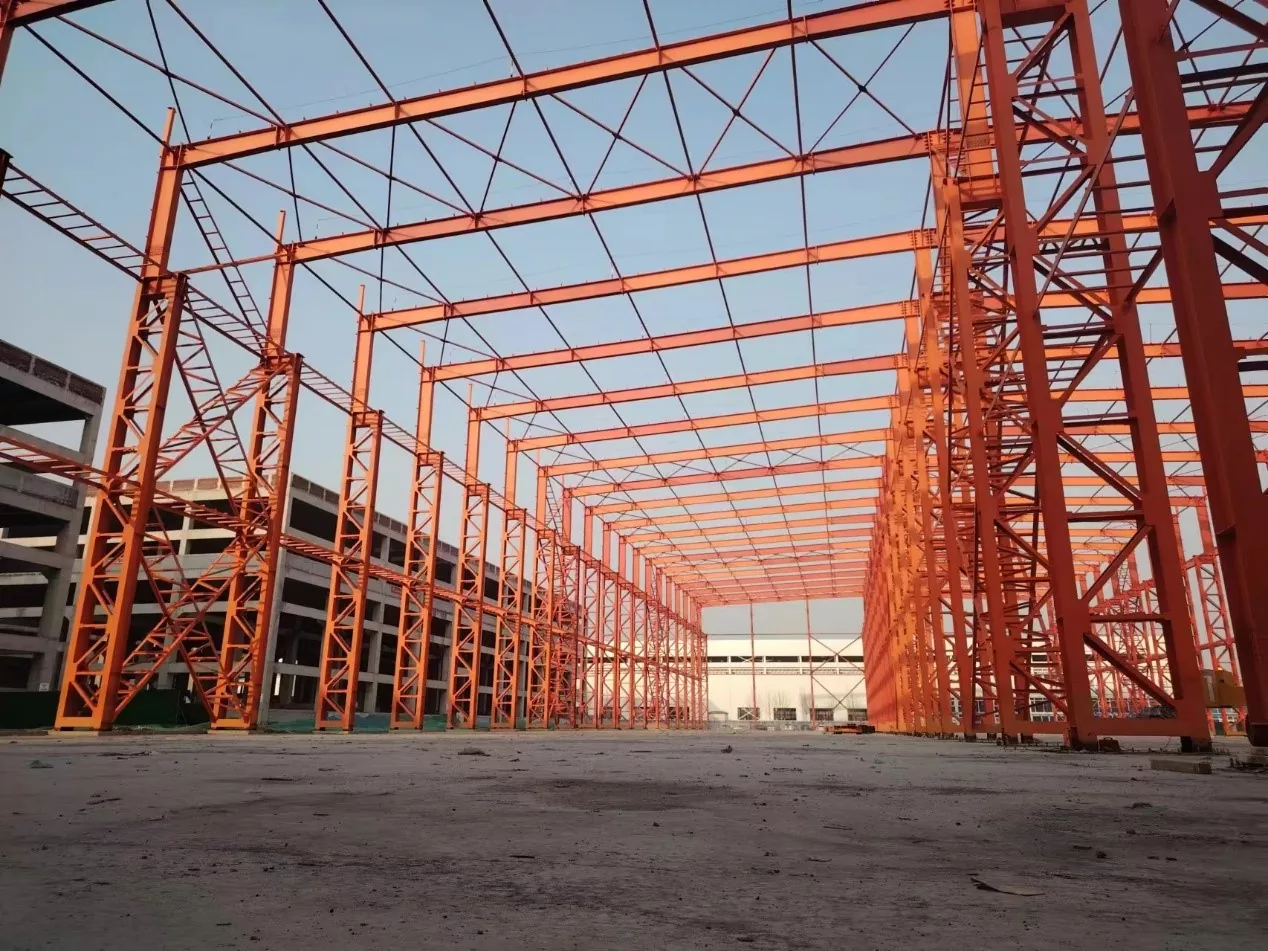
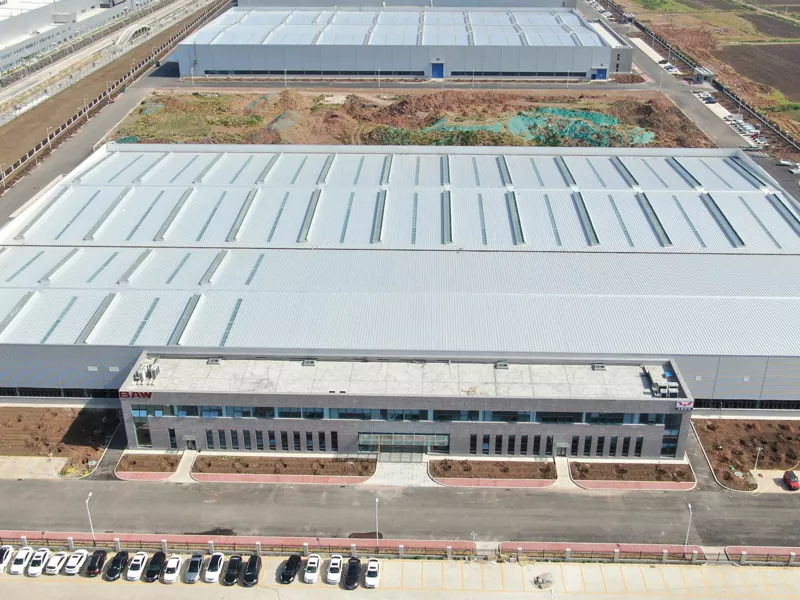
A Steel Frame Building has become one of the most trusted structural solutions in global construction. Its durability, engineering precision, and cost-efficient performance make it suitable for industrial plants, warehouses, workshops, commercial complexes, agricultural projects, and residential expansion. As construction standards evolve, more companies—including Qingdao Eihe Steel Structure Group Co., Ltd.—are investing in advanced steel technologies to meet the growing demand for fast, safe, and reliable building systems.
This article explains how steel frame structures work, their advantages, detailed product parameters, key functions, usage effects, and why they are increasingly important in international markets.

What Defines a High-Quality Steel Frame Building?
A high-quality Steel Frame Building is engineered with precision, using robust load-bearing steel columns, beams, purlins, and bracing systems. The performance of the structure depends on design accuracy, material specifications, and processing quality.
Key Features That Define Quality
-
High tensile strength and excellent structural stability
-
Corrosion-resistant surface treatments
-
Modular components for quick assembly
-
Strong seismic and wind resistance
-
Flexible design for large spans and multi-functional layouts
-
Reduced overall construction costs
How Do the Product Parameters Influence the Structural Performance?
The performance of a Steel Frame Building is measured by several technical parameters. Below is a simplified, professional-grade table commonly used in engineering procurement:
Product Parameter Table
| Parameter Category | Specification Range | Description |
|---|---|---|
| Main Steel Material | Q235B / Q355B | High-strength, widely used structural steel |
| Column & Beam Type | H-beam / Welded Beam | Provides primary load-bearing capability |
| Purlin Options | C/Z-Purlin (1.5–3.0 mm thick) | Supports roof and wall panels |
| Roof/Wall Panels | Single Sheet / Sandwich Panel | Choose PU, PIR, EPS, or Rock Wool for insulation |
| Surface Treatment | Hot-dip Galvanized / Painted | Corrosion protection and long service life |
| Connection Method | High-Strength Bolts / Welding | Ensures strong structural integrity |
| Span Size | 10–60 meters | Flexible for industrial and commercial use |
| Design Wind Load | 0.35–0.7 kN/m² | Based on project site requirements |
| Design Snow Load | 0.3–1.0 kN/m² | Varies by climate zones |
| Lifespan | 30–50 years | Depending on maintenance and environment |
Why Does a Steel Frame Building Deliver Superior Performance?
A Steel Frame Building is engineered to withstand extreme conditions—high winds, heavy snow, seismic activity, and prolonged environmental exposure. Its performance superiority comes from structural efficiency and engineering customization.
Core Advantages
-
High Strength-to-Weight Ratio
Steel delivers exceptional load-bearing capability with minimal material mass. -
Fast Installation
Prefabricated components from Qingdao Eihe Steel Structure Group Co., Ltd. reduce onsite assembly time by 40–60%. -
Cost Efficiency
Reduced labor, shortened project cycles, long-term durability, and minimal maintenance deliver lower lifecycle costs. -
Flexibility & Expandability
Easy to modify, expand, or retrofit without interrupting existing operations. -
Environmental Benefits
Steel is 100% recyclable and reduces construction waste.
What Are the Practical Effects When Using a Steel Frame Building?
When a project uses a Steel Frame Building, the immediate benefits become visible from construction to long-term operation:
Usage Effects
-
Faster project turnover due to prefabrication
-
Improved safety with standardized components
-
Reduced maintenance costs over decades
-
Better thermal and acoustic performance when paired with sandwich panels
-
Optimized internal space with large-span designs free of intermediate columns
-
Superior resistance to fire, pests, mold, and moisture
These results are why major engineering contractors choose steel frame systems for industrial and commercial development worldwide.
How Important Is a Steel Frame Building in Modern Construction?
The importance of a Steel Frame Building lies in its ability to provide reliable structural solutions across multiple industries. Modern architecture prioritizes sustainability, efficiency, and safety—areas where steel structures excel.
Industry Importance
-
Critical for logistics, warehousing, and supply chain centers
-
Essential for manufacturing and heavy-duty application spaces
-
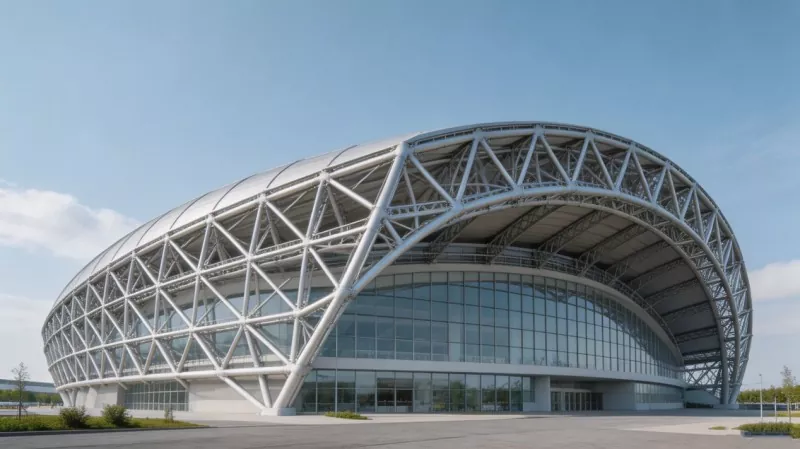
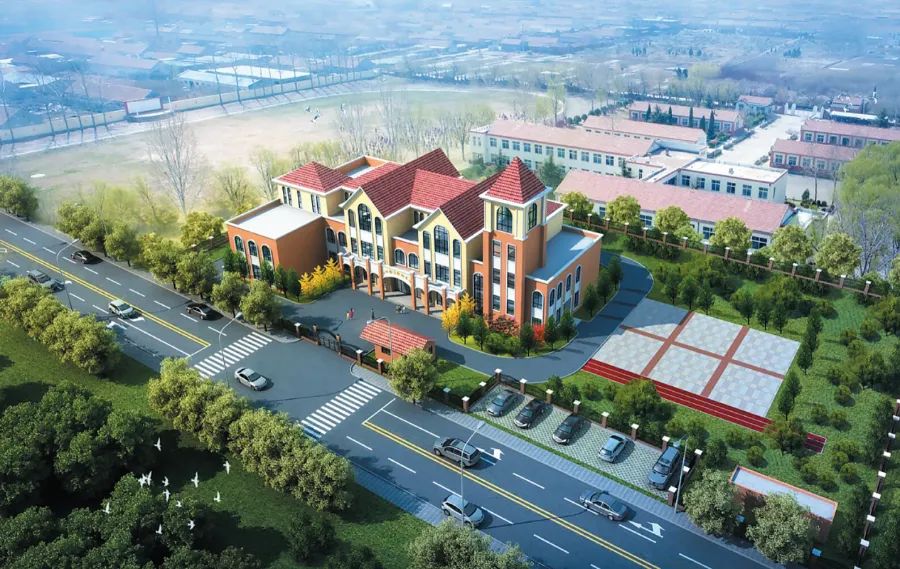
Increasingly used in public buildings, schools, gymnasiums, and commercial halls
-
Supports urban development strategies due to fast-build characteristics
-
Plays a major role in green and recyclable construction efforts
As global demand for durable and cost-effective building systems rises, steel frame solutions continue to dominate modern infrastructure.
Product Advantages: Quick Overview List
-
High structural integrity
-
Long lifespan (30–50 years)
-
Excellent seismic resistance
-
Efficient thermal and acoustic insulation options
-
Quick project delivery
-
Wide application range (industrial, commercial, agricultural)
-
Strong corrosion-resistant performance
FAQ About Steel Frame Building
1. What is the lifespan of a Steel Frame Building?
A high-quality Steel Frame Building typically lasts between 30 and 50 years. With proper maintenance and high-grade galvanization from companies like Qingdao Eihe Steel Structure Group Co., Ltd., the lifespan can extend even further.
2. How long does it take to install a Steel Frame Building?
Installation time depends on building size, but most projects can be completed 40–60% faster than traditional concrete structures due to prefabricated components and simplified onsite work.
3. Can a Steel Frame Building withstand harsh weather?
Yes. Steel structures are engineered to resist strong winds, heavy snow, seismic forces, and temperature changes. Proper design loads ensure long-term safety and reliability.
4. Is a Steel Frame Building customizable for different industries?
Absolutely. Steel structures are highly flexible and can be designed for warehouses, factories, workshops, retail buildings, showrooms, farming sheds, aircraft hangars, and more.
Contact Us
For detailed project solutions, engineering drawings, or pricing requests, please contact Qingdao Eihe Steel Structure Group Co., Ltd. The company provides professional steel frame engineering, custom design services, and high-quality manufacturing for global clients.
Related News
- Recommended Roof Slope Values for Portal Frames and Light Steel Roof Structures
- Comprehensive Guide: Selecting the Right Exterior Wall Materials for Steel Industrial Facilities
- How Can Steel Structure City Footbridge Construction Accelerate the Formation of the Urban Pedestrian System?
- How Can Cold Chain Storage Be Properly Arranged in a Steel Structure Agricultural Product Logistics Center Construction?
- How do Container Exhibition Hall construction change traditional display spaces?
- How to Select the Appropriate Size for a Steel Frame Horse Stable Construction?
Leave me a message