English
- English
- Esperanto
- Afrikaans
- Català
- שפה עברית
- Cymraeg
- Galego
- Latviešu
- icelandic
- ייִדיש
- беларускі
- Hrvatski
- Kreyòl ayisyen
- Shqiptar
- Malti
- lugha ya Kiswahili
- አማርኛ
- Bosanski
- Frysk
- ភាសាខ្មែរ
- ქართული
- ગુજરાતી
- Hausa
- Кыргыз тили
- ಕನ್ನಡ
- Corsa
- Kurdî
- മലയാളം
- Maori
- Монгол хэл
- Hmong
- IsiXhosa
- Zulu
- Yoruba
- অসমীয়া
- ଓଡିଆ
- Punjabi
- پښتو
- Chichewa
- Samoa
- Sesotho
- සිංහල
- Gàidhlig
- Cebuano
- Somali
- Тоҷикӣ
- O'zbek
- Hawaiian
- سنڌي
- Shinra
- Հայերեն
- Igbo
- Sundanese
- Lëtzebuergesch
- Malagasy
- Español
- Português
- русский
- Français
- 日本語
- Deutsch
- tiếng Việt
- Italiano
- Nederlands
- ภาษาไทย
- Polski
- 한국어
- Svenska
- magyar
- Malay
- বাংলা ভাষার
- Dansk
- Suomi
- हिन्दी
- Pilipino
- Türkçe
- Gaeilge
- العربية
- Indonesia
- Norsk
- تمل
- český
- ελληνικά
- український
- Javanese
- فارسی
- தமிழ்
- తెలుగు
- नेपाली
- Burmese
- български
- ລາວ
- Latine
- Қазақша
- Euskal
- Azərbaycan
- Slovenský jazyk
- Македонски
- Lietuvos
- Eesti Keel
- Română
- Slovenski
- मराठी
- Srpski језик

What Elements Need to Be Comprehensively Considered Before Constructing a Steel Structure Waste Incineration Power Factory Construction?
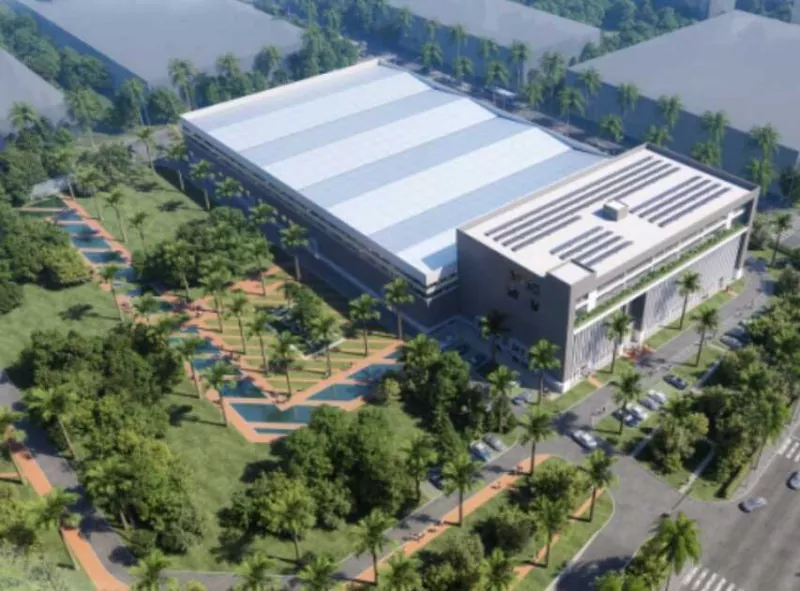
In the context of global efforts to promote sustainable waste management and renewable energy development, waste incineration power generation projects have become strategic infrastructure that many countries focus on. Steel structure design is favored due to its advantages such as fast construction speed, flexible spatial layout, and good durability. However, before officially launching a steel structure waste incineration power factory construction, developers and investors must systematically evaluate a series of key factors to ensure the smooth implementation of the project, compliant operation, and long-term economic returns.
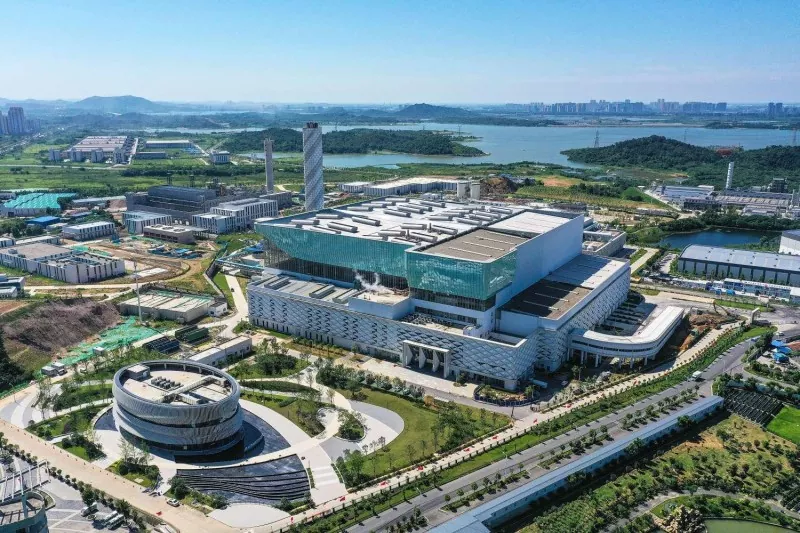
Table of Contents
1. Site Selection and Environmental Assessment
2. Fully consider the possibility of subsequent expansion
3. Energy Efficiency and Heat Recovery Planning
1. Site Selection and Environmental Assessment
The first step in all steel structure waste incineration power factory construction projects is to select an appropriate construction site. This site needs to be able to generate energy from waste to reduce transportation costs and should be far away from residential areas. Although steel structures can adapt to medium-condition geological foundations, detailed geological surveys are still necessary for the foundation design.
2. Fully consider the possibility of subsequent expansion
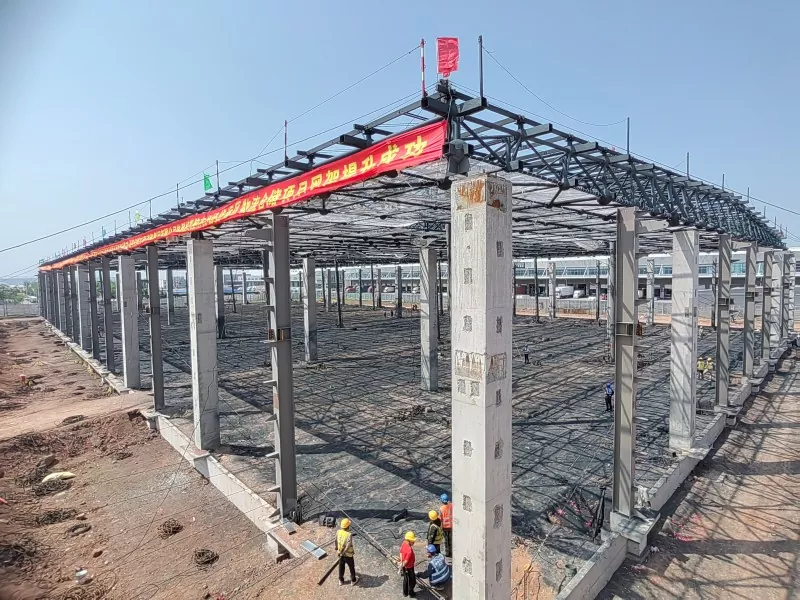
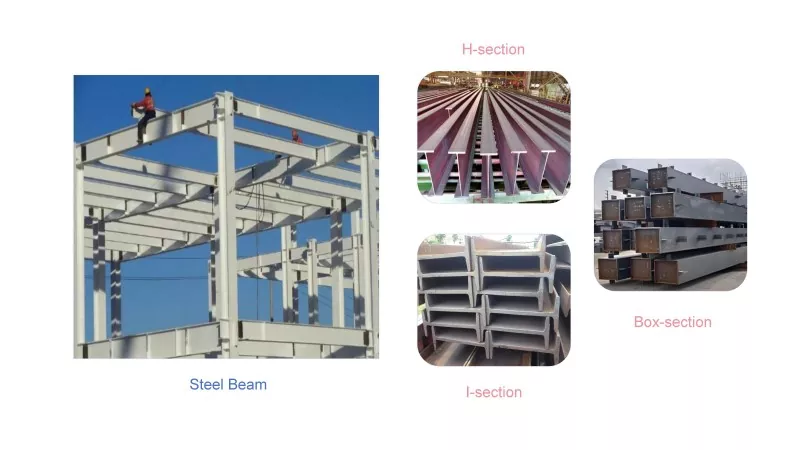
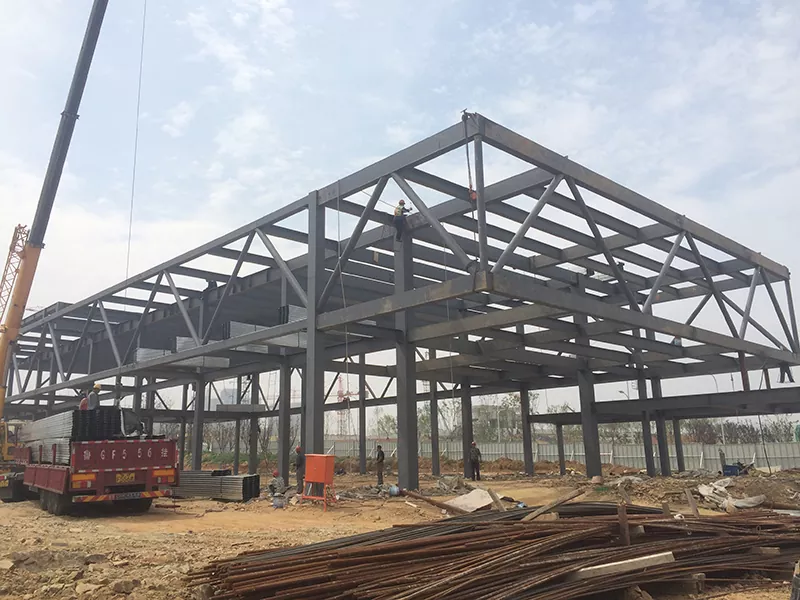
The steel structure waste incineration power factory construction adopts a steel structure frame, which has good durability and simple and efficient production. It can achieve the large-span spaces required for the turbine hall and other parts. Compared with the concrete structure, the steel structure can reserve connection nodes at both ends of the building. If the usage area of the workshop needs to be expanded in the future, new components can be directly connected to the original components using bolts, and the normal operation of the workshop will not be affected during the installation process.
3. Energy Efficiency and Heat Recovery Planning
The steel structure waste incineration power factory construction is also a power-generation facility. To maximize energy recovery, it is necessary to optimize the steam cycle and select the capacity of the turbine reasonably. The steel structure should leave efficient paths for pipeline layout, minimize heat loss, and ensure the safe distance of high-pressure steam pipelines. If the cogeneration mode is adopted to supply residual heat to the regional heating network, the system complexity will further increase. The building envelope structure itself can also contribute to improving overall energy efficiency through insulation wall panels and specific non-sensitive area natural ventilation strategies.
4. Conclusion
Steel structure waste incineration power factory construction possesses outstanding advantages such as speed, flexibility, and strength. However, to fully realize their potential, meticulous preliminary planning is necessary. Only by conducting a comprehensive assessment of site conditions, process requirements, material durability, emission control requirements, and economic feasibility can developers build high-quality projects with solid structures that are responsible for the environment and financially sustainable in the long term.
For more industry consultations and project cases, please visit the homepage of Qingdao EIHE Steel Structure Group Co., Ltd. We have 20 years of experience in energy building projects and are a company with general contracting qualifications.
Related News
- How to Select the Appropriate Size for a Steel Frame Horse Stable Construction?
- On-Site Steel Structure Assembly + Integral Hoisting Construction Workflow + Key Considerations
- Why Choose a Double Layer Prefab Steel Frame House Construction for Modern Living?
- Nine Key Points for the Design and Construction of Steel Structure Factory Buildings
- How Can Steel Structure Chicken Shed Construction Improve the Management of Poultry Farms?
- "Locomotive-Style" Industrial Buildings: Should the 3-Story Office Be Steel or Concrete?
Leave me a message