English
- English
- Esperanto
- Afrikaans
- Català
- שפה עברית
- Cymraeg
- Galego
- Latviešu
- icelandic
- ייִדיש
- беларускі
- Hrvatski
- Kreyòl ayisyen
- Shqiptar
- Malti
- lugha ya Kiswahili
- አማርኛ
- Bosanski
- Frysk
- ភាសាខ្មែរ
- ქართული
- ગુજરાતી
- Hausa
- Кыргыз тили
- ಕನ್ನಡ
- Corsa
- Kurdî
- മലയാളം
- Maori
- Монгол хэл
- Hmong
- IsiXhosa
- Zulu
- Yoruba
- অসমীয়া
- ଓଡିଆ
- Punjabi
- پښتو
- Chichewa
- Samoa
- Sesotho
- සිංහල
- Gàidhlig
- Cebuano
- Somali
- Тоҷикӣ
- O'zbek
- Hawaiian
- سنڌي
- Shinra
- Հայերեն
- Igbo
- Sundanese
- Lëtzebuergesch
- Malagasy
- Español
- Português
- русский
- Français
- 日本語
- Deutsch
- tiếng Việt
- Italiano
- Nederlands
- ภาษาไทย
- Polski
- 한국어
- Svenska
- magyar
- Malay
- বাংলা ভাষার
- Dansk
- Suomi
- हिन्दी
- Pilipino
- Türkçe
- Gaeilge
- العربية
- Indonesia
- Norsk
- تمل
- český
- ελληνικά
- український
- Javanese
- فارسی
- தமிழ்
- తెలుగు
- नेपाली
- Burmese
- български
- ລາວ
- Latine
- Қазақша
- Euskal
- Azərbaycan
- Slovenský jazyk
- Македонски
- Lietuvos
- Eesti Keel
- Română
- Slovenski
- मराठी
- Srpski језик

How Much Do You Know About Steel Structure Connection Methods?
Steel structure refers to an integrated building structure assembled by connecting structural members such as steel columns and steel beams through proper joints. Connection methods constitute a vital component of steel structures. Selecting an appropriate connection approach is not only critical for structural safety, but also helps reduce project costs to a certain extent. So, what are the available connection methods for steel structures?
In accordance with force transfer mechanism and construction technology, there are three primary standalone connection types for steel structures: welded connections, bolted connections and riveted connections. This article will elaborate on their working principles and practical applications.

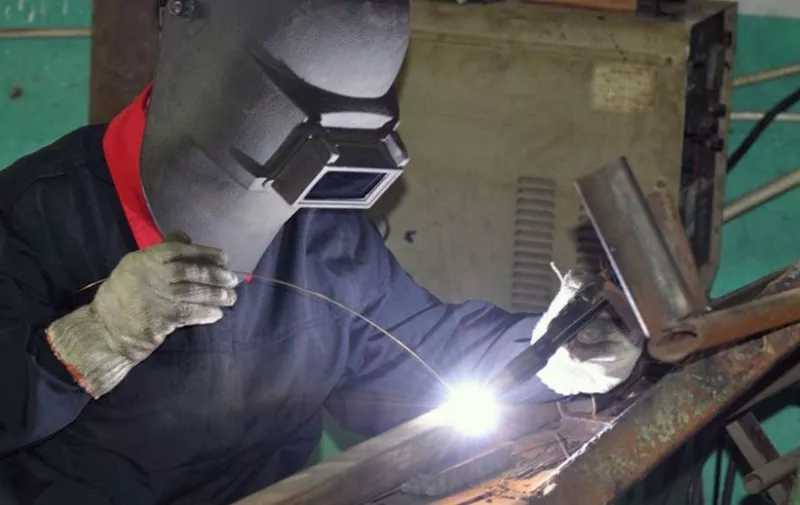
Welded Connections
It realizes metallurgical bonding at the atomic level. Its working principle is to form a liquid molten pool by high-temperature melting, enabling mutual penetration and diffusion between atoms to generate shared crystal grains. A continuous and integrated whole is formed after cooling and solidification.
This connection method features simple configuration, great connection rigidity, favorable sealing performance and high production efficiency. Nevertheless, it imposes high requirements on welders’ proficiency and exerts significant impacts on steel materials. This technology is generally adopted for steel processing during factory fabrication.
|
Classification Basis |
Category |
|
Welding position |
Flat welding |
|
Vertical welding |
|
|
Horizontal welding |
|
|
Overhead welding |
|
|
Joint form |
Butt joint |
|
Lap joint |
|
|
T-joint |
|
|
Corner joint |
Bolted Connections
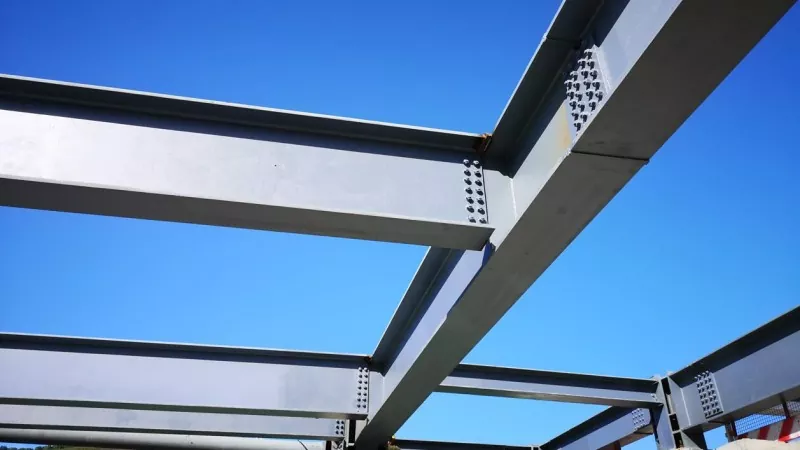
Bolted connection is the most commonly adopted connection method for on-site assembly of steel structures. Its working principle is to tighten bolts with torque wrenches to elongate bolt shanks and generate substantial pre-tension force to clamp steel plates. Static friction force produced against the tendency of relative sliding between steel plates resists external loads.
Bolted connections are mainly divided into ordinary bolts and high-strength bolts. Ordinary bolts have lower bearing capacity. They transfer force through shear resistance of bolt shanks and bearing pressure of bolt holes via mechanical engagement. In contrast, high-strength bolts rely on the clamping force generated by bolt pre-tension to create friction on the contact surface of base materials and transmit loads by resisting relative sliding tendency through friction. Greater clamping force between plates brings stronger friction and higher bearing capacity.
High-strength bolted connection represents the mainstream connection method for on-site installation of steel structures at present and is widely applied in beam-column joints and member splicing.
|
Connection Type |
Material |
Grade |
|
Ordinary Bolt |
Q235 Steel |
Grade 4.6 / Grade 4.8 |
|
High-strength Bolt |
Alloy Steel |
Grade 8.8 / Grade 10.9 |
Riveted Connections
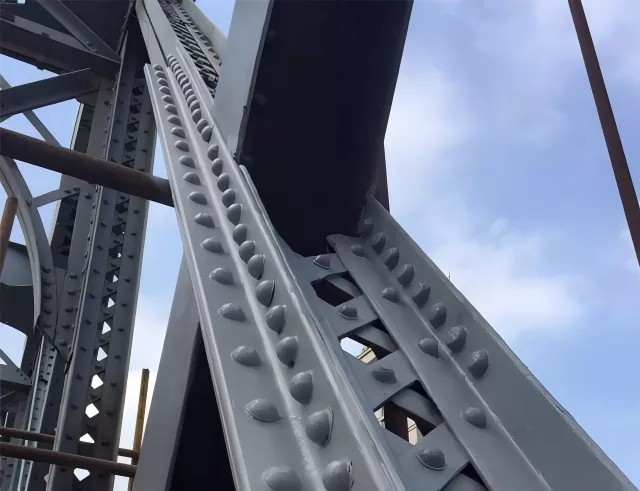
Though seemingly similar to bolted connections, riveted connections operate on a completely different mechanism. The process involves heating rivets to soften them, inserting the rivets into the holes of connected components, and leaving one end protruding. Special tools are then used to apply pressure on the exposed end to trigger plastic deformation and form a rivet head.
The tight filling effect formed by thermal expansion and contraction outperforms that of ordinary bolts. However, the construction process is complicated and costly. With the emergence of high-strength bolts, riveted connections have gradually become obsolete. Nowadays, this connection method is only adopted for heavy-duty equipment foundations or bridge structures subject to heavy loads and strict vibration resistance requirements.
In practical engineering, welded connections are applied in factory fabrication and key construction sections. High-strength bolts are used for locations subject to high load requirements, and ordinary bolts retain irreplaceable practical value for non-load-bearing or auxiliary connections. Riveted connections have largely been replaced by high-strength bolts; except for the maintenance and reinforcement of a small number of heavy-duty bridges, riveted connections have become largely obsolete in steel structure engineering.
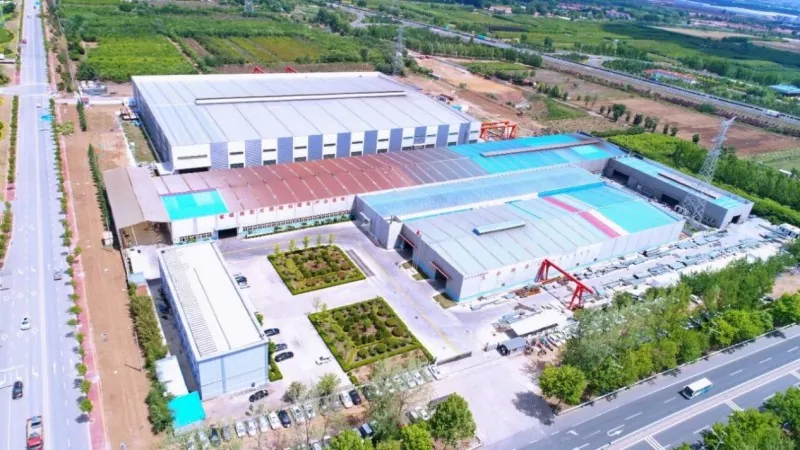
The selection of connection methods concerns not only structural safety, but also tests manufacturers’ understanding and implementation capacity of technical standards. Supported by robust craftsmanship, EHSS steadily expands its global market footprint. We adopt appropriate connection solutions to fabricate sturdy and reliable steel structure products, and continuously deliver safe and efficient solutions worldwide.
Related News
- Recommended Roof Slope Values for Portal Frames and Light Steel Roof Structures
- Comprehensive Guide: Selecting the Right Exterior Wall Materials for Steel Industrial Facilities
- How Can Steel Structure City Footbridge Construction Accelerate the Formation of the Urban Pedestrian System?
- How Can Cold Chain Storage Be Properly Arranged in a Steel Structure Agricultural Product Logistics Center Construction?
- How do Container Exhibition Hall construction change traditional display spaces?
- How to Select the Appropriate Size for a Steel Frame Horse Stable Construction?
Leave me a message