English
- English
- Esperanto
- Afrikaans
- Català
- שפה עברית
- Cymraeg
- Galego
- Latviešu
- icelandic
- ייִדיש
- беларускі
- Hrvatski
- Kreyòl ayisyen
- Shqiptar
- Malti
- lugha ya Kiswahili
- አማርኛ
- Bosanski
- Frysk
- ភាសាខ្មែរ
- ქართული
- ગુજરાતી
- Hausa
- Кыргыз тили
- ಕನ್ನಡ
- Corsa
- Kurdî
- മലയാളം
- Maori
- Монгол хэл
- Hmong
- IsiXhosa
- Zulu
- Yoruba
- অসমীয়া
- ଓଡିଆ
- Punjabi
- پښتو
- Chichewa
- Samoa
- Sesotho
- සිංහල
- Gàidhlig
- Cebuano
- Somali
- Тоҷикӣ
- O'zbek
- Hawaiian
- سنڌي
- Shinra
- Հայերեն
- Igbo
- Sundanese
- Lëtzebuergesch
- Malagasy
- Español
- Português
- русский
- Français
- 日本語
- Deutsch
- tiếng Việt
- Italiano
- Nederlands
- ภาษาไทย
- Polski
- 한국어
- Svenska
- magyar
- Malay
- বাংলা ভাষার
- Dansk
- Suomi
- हिन्दी
- Pilipino
- Türkçe
- Gaeilge
- العربية
- Indonesia
- Norsk
- تمل
- český
- ελληνικά
- український
- Javanese
- فارسی
- தமிழ்
- తెలుగు
- नेपाली
- Burmese
- български
- ລາວ
- Latine
- Қазақша
- Euskal
- Azərbaycan
- Slovenský jazyk
- Македонски
- Lietuvos
- Eesti Keel
- Română
- Slovenski
- मराठी
- Srpski језик

Why Choose a Prefabricated Steel Frame Building?
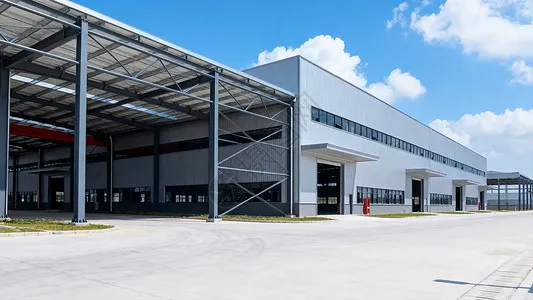
Prefabricated steel frame buildings have revolutionized modern construction, offering speed, durability, and cost efficiency. This article explores the key advantages, common challenges, design considerations, and real-world applications to help you make informed decisions for your next project. Qingdao Eihe Steel Structure Group Co., Ltd. provides expert solutions in prefabricated steel structures, delivering customized options to meet diverse construction needs.

Table of Contents
- Introduction
- Key Benefits of Prefabricated Steel Frame Buildings
- Design Considerations and Structural Integrity
- Cost Analysis and Financial Advantages
- Construction Process and Timeline
- Applications Across Industries
- Maintenance and Longevity
- Environmental Impact and Sustainability
- Case Studies from Qingdao Eihe Steel Structure Group Co., Ltd.
- FAQ
- Contact Us
Introduction
Prefabricated steel frame buildings (PSFBs) are structures manufactured off-site in controlled environments and assembled on-site. Unlike traditional construction, which often involves lengthy timelines and variable material quality, PSFBs offer consistency, efficiency, and superior structural performance. Qingdao Eihe Steel Structure Group Co., Ltd. specializes in delivering high-quality prefabricated steel solutions, ensuring that projects are completed on time and within budget.
Key Benefits of Prefabricated Steel Frame Buildings
Investing in a prefabricated steel frame building provides several advantages that address common construction pain points:
- Speed of Construction: Components are pre-engineered and fabricated off-site, reducing on-site assembly time by up to 50% compared to conventional construction.
- Durability and Strength: Steel is highly resistant to natural disasters, including earthquakes, hurricanes, and heavy snow loads.
- Cost Efficiency: Reduced labor costs and material waste lower overall project expenses.
- Design Flexibility: Prefabricated steel frames allow for customized layouts, multi-story structures, and large open spans.
- Reduced Environmental Impact: Controlled factory production reduces waste and promotes recycling of steel materials.
| Feature | Prefabricated Steel Frame | Traditional Construction |
|---|---|---|
| Construction Time | Short (weeks to months) | Long (months to years) |
| Cost Efficiency | High | Moderate |
| Material Quality | Consistent | Variable |
| Design Flexibility | High | Limited |
| Environmental Impact | Low | Higher waste generation |
Design Considerations and Structural Integrity
When planning a prefabricated steel frame building, attention to structural design ensures safety and longevity. Key considerations include:
- Load-Bearing Requirements: Engineers must calculate live loads, dead loads, and environmental forces.
- Frame Connections: Bolted or welded connections impact strength and flexibility.
- Insulation and Thermal Efficiency: Incorporating insulation panels enhances energy efficiency.
- Architectural Design: Prefabricated steel frames support both functional and aesthetic requirements.
- Compliance with Building Codes: All designs adhere to regional construction regulations.
Cost Analysis and Financial Advantages
Clients often worry about construction budgets. Prefabricated steel frames reduce both short-term and long-term costs:
- Lower Labor Costs: Less on-site labor required for assembly.
- Reduced Material Waste: Precision fabrication minimizes scrap steel.
- Faster ROI: Quicker construction allows tenants or operations to begin sooner.
- Maintenance Savings: Steel requires less frequent repairs than traditional materials.
Construction Process and Timeline
The construction process for prefabricated steel frame buildings follows a streamlined approach:
- Design and Engineering: Detailed CAD models and structural analysis are completed.
- Factory Fabrication: Steel components are cut, shaped, and pre-assembled in controlled environments.
- Site Preparation: Foundations and utilities are prepared in advance.
- On-Site Assembly: Modular steel components are delivered and bolted/welded together.
- Finishing Touches: Insulation, cladding, and interior fit-outs are completed.
Qingdao Eihe Steel Structure Group Co., Ltd. ensures each stage meets quality standards, reducing delays and potential errors.
Applications Across Industries
Prefabricated steel frame buildings serve diverse sectors, including:
- Commercial Warehouses
- Industrial Factories
- Educational Facilities
- Residential Complexes
- Agricultural Buildings
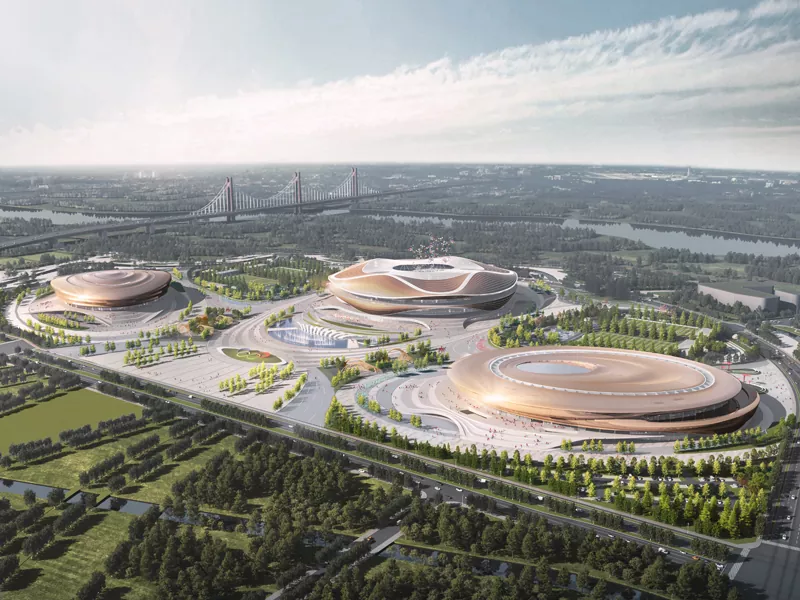
- Sports Facilities
The flexibility of steel frames allows large spans without interior columns, making them ideal for warehouses, gyms, and exhibition halls.
Maintenance and Longevity
Steel frames are designed for long-term durability. Proper maintenance enhances performance:
- Regular inspection of joints and connections
- Protective coatings against rust and corrosion
- Replacement of damaged cladding or panels
- Cleaning and repainting every few years
Prefabricated steel structures often have lifespans exceeding 50 years, outperforming traditional brick-and-mortar construction.
Environmental Impact and Sustainability
Steel is highly recyclable, and prefabrication reduces energy consumption and on-site waste. Key sustainability benefits include:
- Recyclable components reduce landfill usage
- Energy-efficient fabrication reduces carbon footprint
- Durable materials reduce replacement frequency
- Modular design allows reuse in new projects
Case Studies from Qingdao Eihe Steel Structure Group Co., Ltd.
Qingdao Eihe Steel Structure Group Co., Ltd. has successfully delivered numerous projects demonstrating speed, reliability, and design excellence:
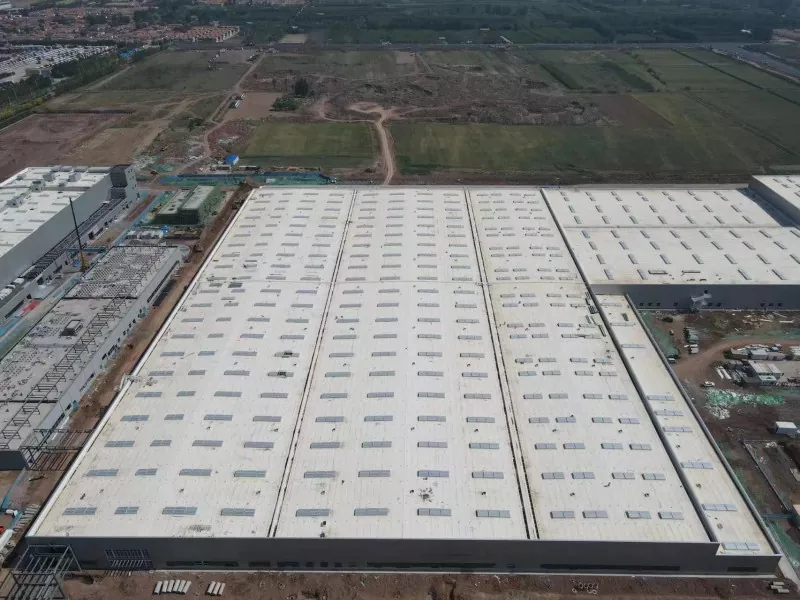
- Industrial Warehouse: Completed in 3 months, with a 15,000 m² span and minimal labor requirements.
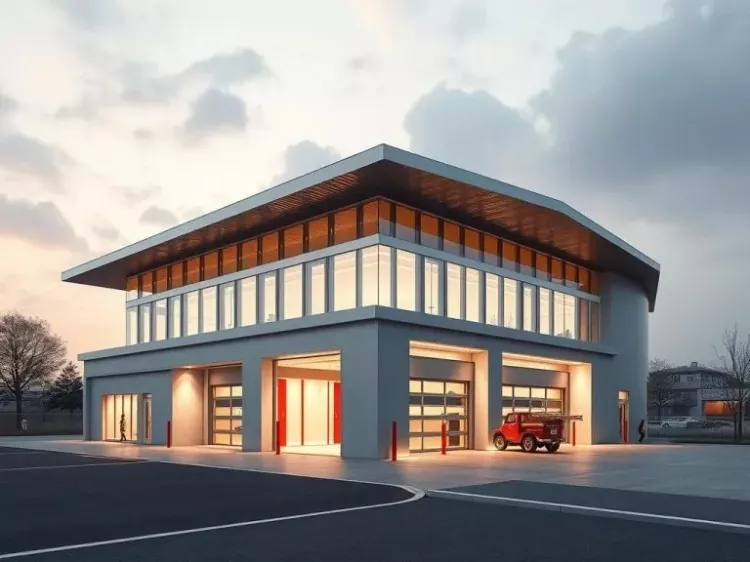
- Commercial Office Building: Multi-story steel frame structure with modern design and superior insulation.
- Agricultural Storage Facility: Durable frame designed to withstand harsh weather conditions and large load capacity.
FAQ
Q1: How long does it take to construct a prefabricated steel frame building?
A1: Typically, 30-50% faster than traditional construction, depending on project size and complexity.
Q2: Are prefabricated steel frames cost-effective?
A2: Yes, they reduce labor, material waste, and long-term maintenance costs, offering high ROI.
Q3: Can these buildings withstand extreme weather?
A3: Absolutely. Steel frames are engineered to endure earthquakes, heavy snow, hurricanes, and other environmental stresses.
Q4: Can the design be customized?
A4: Prefabricated steel frames support flexible layouts, multi-story buildings, and aesthetic finishes tailored to client needs.
Q5: How sustainable are these buildings?
A5: Very sustainable. Steel is recyclable, fabrication reduces waste, and modular structures can be reused or repurposed.
Ready to build a durable, efficient, and customizable prefabricated steel frame building? Qingdao Eihe Steel Structure Group Co., Ltd. is here to provide expert guidance and high-quality solutions. Contact us today to start your project!
Related News
- Recommended Roof Slope Values for Portal Frames and Light Steel Roof Structures
- Comprehensive Guide: Selecting the Right Exterior Wall Materials for Steel Industrial Facilities
- How Can Steel Structure City Footbridge Construction Accelerate the Formation of the Urban Pedestrian System?
- How Can Cold Chain Storage Be Properly Arranged in a Steel Structure Agricultural Product Logistics Center Construction?
- How do Container Exhibition Hall construction change traditional display spaces?
- How to Select the Appropriate Size for a Steel Frame Horse Stable Construction?
Leave me a message