English
- English
- Esperanto
- Afrikaans
- Català
- שפה עברית
- Cymraeg
- Galego
- Latviešu
- icelandic
- ייִדיש
- беларускі
- Hrvatski
- Kreyòl ayisyen
- Shqiptar
- Malti
- lugha ya Kiswahili
- አማርኛ
- Bosanski
- Frysk
- ភាសាខ្មែរ
- ქართული
- ગુજરાતી
- Hausa
- Кыргыз тили
- ಕನ್ನಡ
- Corsa
- Kurdî
- മലയാളം
- Maori
- Монгол хэл
- Hmong
- IsiXhosa
- Zulu
- Yoruba
- অসমীয়া
- ଓଡିଆ
- Punjabi
- پښتو
- Chichewa
- Samoa
- Sesotho
- සිංහල
- Gàidhlig
- Cebuano
- Somali
- Тоҷикӣ
- O'zbek
- Hawaiian
- سنڌي
- Shinra
- Հայերեն
- Igbo
- Sundanese
- Lëtzebuergesch
- Malagasy
- Español
- Português
- русский
- Français
- 日本語
- Deutsch
- tiếng Việt
- Italiano
- Nederlands
- ภาษาไทย
- Polski
- 한국어
- Svenska
- magyar
- Malay
- বাংলা ভাষার
- Dansk
- Suomi
- हिन्दी
- Pilipino
- Türkçe
- Gaeilge
- العربية
- Indonesia
- Norsk
- تمل
- český
- ελληνικά
- український
- Javanese
- فارسی
- தமிழ்
- తెలుగు
- नेपाली
- Burmese
- български
- ລາວ
- Latine
- Қазақша
- Euskal
- Azərbaycan
- Slovenský jazyk
- Македонски
- Lietuvos
- Eesti Keel
- Română
- Slovenski
- मराठी
- Srpski језик

Why Choose Steel Structure Student Dormitory?
This extensive blog post explores the concept of Steel Structure Student Dormitory—a modern construction approach transforming student accommodation with durability, sustainability, and flexibility. We cover its benefits, design considerations, cost and environmental impacts, FAQ, and expert insights, including reference to steel structure expertise like Qingdao Eihe Steel Structure Group Co., Ltd..

Table of Contents
- What Is a Steel Structure Student Dormitory?
- Why Are Steel Structures Beneficial for Student Housing?
- How Is a Steel Structure Dormitory Designed?
- Which Materials Are Used in Steel Structure Dormitories?
- What Are the Cost Implications?
- Why Is Steel Structure Student Housing Sustainable?
- Frequently Asked Questions
What Is a Steel Structure Student Dormitory?
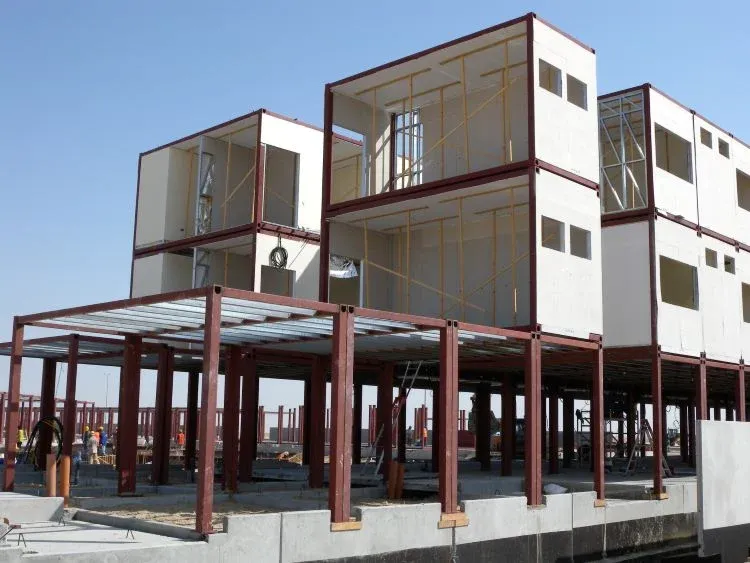
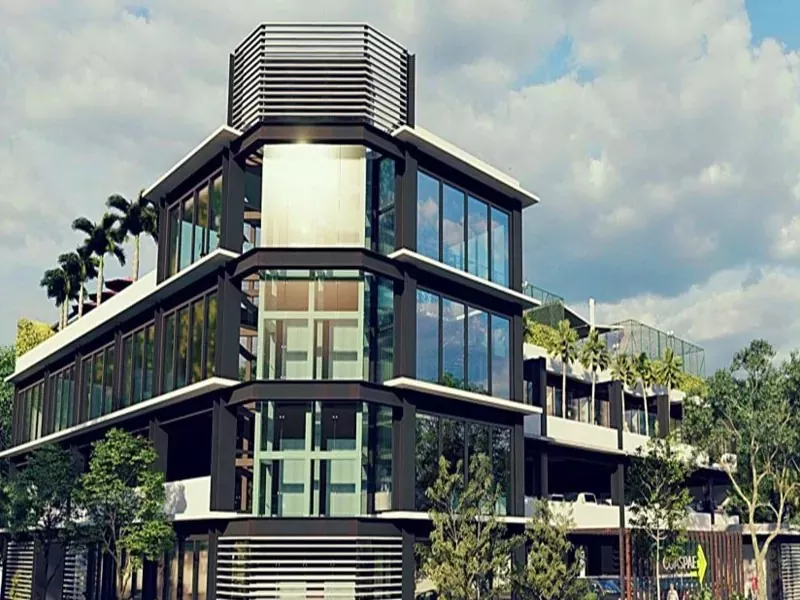
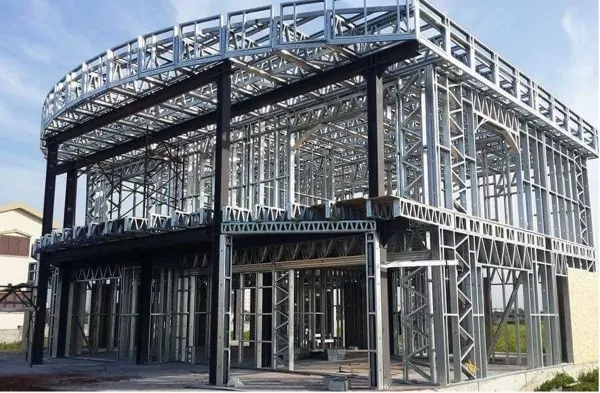
A Steel Structure Student Dormitory refers to student housing constructed primarily using steel frameworks—often prefabricated and modular—rather than traditional concrete and brick. These steel-based buildings include steel columns, beams, and panels that form the skeleton of a dormitory. This technique allows for rapid assembly, high strength, and flexible layout adjustments.
Why Are Steel Structures Beneficial for Student Housing?
There are several reasons why steel structures are increasingly chosen for student dormitories worldwide:
- Speed of Construction: Prefabricated steel components can be assembled much faster than traditional construction, shortening project timelines and ensuring that housing is ready before academic sessions begin.
- Flexible and Adaptable Layouts: Steel frames allow for large, open interior spaces without interior load‑bearing walls, enabling campus designers to create multifunctional communal areas.
- Durability and Safety: Steel buildings are resilient against weather, pests, fire, and seismic events, which is critical for student safety.
- Lower Long‑Term Maintenance: Once erected, steel structures often require less upkeep than concrete or wood.
How Is a Steel Structure Dormitory Designed?
Designing a steel structure student dormitory involves several engineering and architectural considerations:
Architectural Planning
Architects must ensure efficient space utilization—balancing private rooms, common study areas, bathrooms, and circulation zones. Modular planning allows stacking and combining different units tailored to student needs.
Structural Engineering
Engineers select appropriate steel grades and connection strategies to withstand load, wind, and seismic forces while reducing weight. Integrated systems allow classroom‑like acoustics and climate control to enhance living comfort.
Which Materials Are Used in Steel Structure Dormitories?
| Component | Material | Function |
|---|---|---|
| Primary Frame | High‑strength Structural Steel | Supports the building’s load and seismic resistance |
| Wall Panels | Insulated Steel Panels | Thermal and acoustic insulation |
| Roofing | Galvanized Steel Sheets | Weather resistance and energy efficiency |
| Flooring | Steel Frame with Insulation | Durable and low maintenance walking surface |
What Are the Cost Implications?
The cost of building steel structure student dormitories typically includes design, prefabrication, site preparation, and assembly. While initial material costs can be competitive with traditional methods, long‑term savings arise from faster construction timelines and lower maintenance needs over decades. :contentReference[oaicite:7]{index=7} Additionally, modular steel solutions may provide even greater cost efficiencies due to standardized components and reduced labor.
Why Is Steel Structure Student Housing Sustainable?
Steel is one of the most recycled materials globally. Using recycled steel and designing buildings for disassembly significantly reduces carbon emissions compared to concrete. :contentReference[oaicite:9]{index=9} Prefabrication also reduces waste and on‑site disruptions, promoting greener construction practices, which aligns with modern campus sustainability goals.
Frequently Asked Questions
What makes steel structure dormitories faster to build?
Prefabricated steel components are manufactured off‑site and quickly assembled on‑site, reducing construction time significantly compared to traditional methods.
How does steel structure enhance safety?
Steel structures are naturally resilient against fire, pests, and seismic forces, making them suitable for student accommodations where safety is a priority.
Can steel structure dormitories adapt to changing campus requirements?
Yes, steel’s flexibility allows for modular expansions, interior changes, and repurposing of space as student populations and functional needs evolve.
Are steel structure dormitories environmentally friendly?
Steel is highly recyclable, reduces material waste through off‑site fabrication, and can support energy‑efficient insulation, helping campuses reach sustainability goals.
Related News
- Recommended Roof Slope Values for Portal Frames and Light Steel Roof Structures
- Comprehensive Guide: Selecting the Right Exterior Wall Materials for Steel Industrial Facilities
- How Can Steel Structure City Footbridge Construction Accelerate the Formation of the Urban Pedestrian System?
- How Can Cold Chain Storage Be Properly Arranged in a Steel Structure Agricultural Product Logistics Center Construction?
- How do Container Exhibition Hall construction change traditional display spaces?
- How to Select the Appropriate Size for a Steel Frame Horse Stable Construction?
Leave me a message