English
- English
- Esperanto
- Afrikaans
- Català
- שפה עברית
- Cymraeg
- Galego
- Latviešu
- icelandic
- ייִדיש
- беларускі
- Hrvatski
- Kreyòl ayisyen
- Shqiptar
- Malti
- lugha ya Kiswahili
- አማርኛ
- Bosanski
- Frysk
- ភាសាខ្មែរ
- ქართული
- ગુજરાતી
- Hausa
- Кыргыз тили
- ಕನ್ನಡ
- Corsa
- Kurdî
- മലയാളം
- Maori
- Монгол хэл
- Hmong
- IsiXhosa
- Zulu
- Yoruba
- অসমীয়া
- ଓଡିଆ
- Punjabi
- پښتو
- Chichewa
- Samoa
- Sesotho
- සිංහල
- Gàidhlig
- Cebuano
- Somali
- Тоҷикӣ
- O'zbek
- Hawaiian
- سنڌي
- Shinra
- Հայերեն
- Igbo
- Sundanese
- Lëtzebuergesch
- Malagasy
- Español
- Português
- русский
- Français
- 日本語
- Deutsch
- tiếng Việt
- Italiano
- Nederlands
- ภาษาไทย
- Polski
- 한국어
- Svenska
- magyar
- Malay
- বাংলা ভাষার
- Dansk
- Suomi
- हिन्दी
- Pilipino
- Türkçe
- Gaeilge
- العربية
- Indonesia
- Norsk
- تمل
- český
- ελληνικά
- український
- Javanese
- فارسی
- தமிழ்
- తెలుగు
- नेपाली
- Burmese
- български
- ລາວ
- Latine
- Қазақша
- Euskal
- Azərbaycan
- Slovenský jazyk
- Македонски
- Lietuvos
- Eesti Keel
- Română
- Slovenski
- मराठी
- Srpski језик

What Makes Commercial Steel Construction the Most Reliable Choice for Modern Infrastructure?
Commercial steel construction has become a cornerstone of modern infrastructure development due to its strength, flexibility, cost efficiency, and long-term durability. This article explores the essential aspects of steel-based commercial construction, including its benefits, engineering process, applications, cost considerations, sustainability impact, and future trends. It is designed to help developers, investors, architects, and project managers understand how steel structures solve common construction challenges such as delays, budget overruns, structural limitations, and maintenance burdens.

Table of Contents
- 1. Introduction
- 2. What is Commercial Steel Construction?
- 3. Key Benefits of Steel Construction
- 4. Common Applications in Commercial Projects
- 5. Design and Engineering Process
- 6. Materials and Quality Standards
- 7. Cost Factors and Budget Considerations
- 8. Construction Timeline and Efficiency
- 9. Sustainability and Environmental Impact
- 10. Challenges and Practical Solutions
- 11. Steel vs Traditional Construction Comparison
- 12. How to Choose the Right Contractor
- 13. Future Trends in Steel Construction
- 14. Frequently Asked Questions
- 15. Conclusion and Contact Information
1. Introduction
Modern infrastructure demands buildings that are not only strong and durable but also efficient, scalable, and cost-effective. Commercial steel construction has emerged as one of the most dependable solutions for meeting these demands. From industrial warehouses to skyscrapers and shopping complexes, steel structures are reshaping the global construction landscape.
The rise of urbanization, technological advancements, and stricter safety standards have all contributed to the increasing adoption of steel as a primary building material. Unlike traditional materials, steel offers predictable performance, faster project completion, and reduced long-term maintenance costs.
2. What is Commercial Steel Construction?
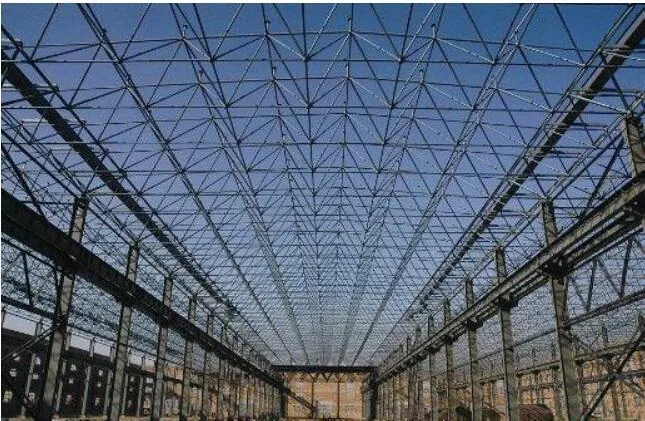
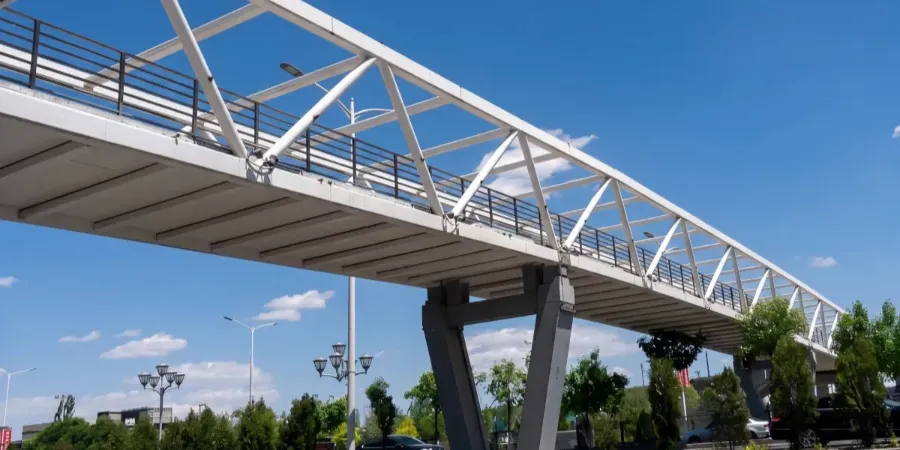
Commercial steel construction refers to the design and building of commercial structures using steel as the primary structural material. This includes beams, columns, trusses, and frames that form the skeleton of a building.
Steel construction is widely used in:
- Industrial warehouses
- Office buildings
- Shopping malls
- Airports and transportation hubs
- Large-scale manufacturing facilities
The key idea behind this method is prefabrication and precision engineering, where components are manufactured in controlled environments and assembled on-site.
3. Key Benefits of Steel Construction
Commercial steel construction offers several advantages that make it a preferred choice for developers worldwide.
- High Strength-to-Weight Ratio: Steel provides exceptional strength while remaining relatively lightweight.
- Faster Construction: Pre-engineered components reduce on-site labor and construction time.
- Design Flexibility: Allows for large open spaces without excessive support columns.
- Durability: Resistant to cracking, warping, and pests.
- Cost Efficiency: Lower long-term maintenance and repair costs.
These benefits directly address common pain points in commercial development such as delays, structural failures, and budget escalation.
4. Common Applications in Commercial Projects
Steel construction is versatile and used across multiple industries:
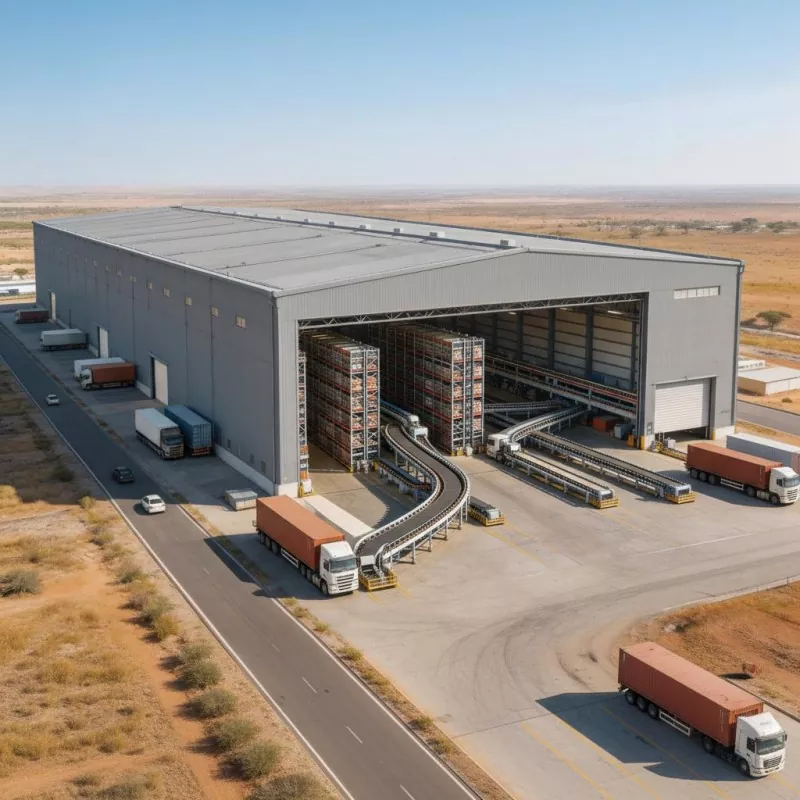
- Logistics and Warehousing: Large-span structures for storage efficiency
- Retail Complexes: Flexible layouts for changing business needs
- Corporate Buildings: Modern architectural designs with open interiors
- Industrial Plants: Heavy-load bearing structures
- Sports Arenas: Wide-span roofing systems
5. Design and Engineering Process
The construction of a steel commercial building follows a structured engineering process:
- Concept Design: Initial planning based on functional requirements
- Structural Analysis: Load calculations and stress testing
- Detailed Engineering: CAD modeling and fabrication drawings
- Fabrication: Steel components manufactured in factories
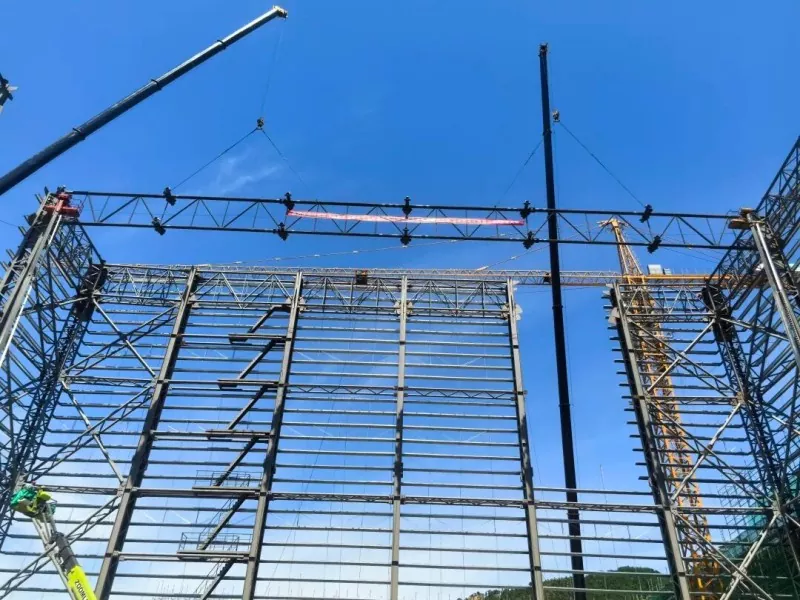
- Transportation and Assembly: On-site installation using cranes
This systematic process ensures precision, safety, and consistency throughout the project lifecycle.
6. Materials and Quality Standards
High-quality steel is essential for structural integrity. Common types include carbon steel, structural steel, and alloy steel. Each type serves specific engineering purposes.
Key quality considerations include:
- Corrosion resistance
- Load-bearing capacity
- Weldability
- Fire resistance coatings
Strict compliance with international construction standards ensures long-term safety and durability.
7. Cost Factors and Budget Considerations
The cost of commercial steel construction depends on multiple variables:
| Cost Factor | Description |
|---|---|
| Material Cost | Steel price fluctuations in global markets |
| Design Complexity | Architectural and engineering requirements |
| Labor Cost | On-site installation and skilled workforce |
| Transportation | Logistics for prefabricated components |
| Finishing Work | Insulation, cladding, and coatings |
Despite initial costs, steel construction often proves more economical in the long run due to reduced maintenance and faster completion.
8. Construction Timeline and Efficiency
One of the strongest advantages of steel construction is speed. Projects that might take years with traditional materials can often be completed in months.
Reasons for faster timelines include:
- Prefabrication of components
- Reduced weather dependency
- Efficient assembly techniques
9. Sustainability and Environmental Impact
Steel is one of the most recyclable materials in the construction industry. It can be reused without losing its properties, making it environmentally friendly.
Environmental benefits include:
- Reduced construction waste
- Lower carbon footprint in modern steel production
- Energy-efficient building designs
10. Challenges and Practical Solutions
While steel construction offers many advantages, it also comes with challenges:
- Corrosion Risk: Solved through protective coatings
- Heat Sensitivity: Fireproofing materials improve safety
- Initial Investment: Offset by long-term savings
11. Steel vs Traditional Construction Comparison
| Feature | Steel Construction | Concrete Construction |
|---|---|---|
| Construction Speed | Fast | Slower |
| Durability | High | Moderate to High |
| Design Flexibility | Excellent | Limited |
| Maintenance | Low | Higher over time |
12. How to Choose the Right Contractor
Selecting the right construction partner is critical for project success. Consider the following:
- Experience in steel structure projects
- Engineering capabilities
- Quality certifications
- Project portfolio
- After-sales support
13. Future Trends in Steel Construction
The future of commercial steel construction is driven by innovation:
- Smart building integration
- Modular construction systems
- AI-assisted design optimization
- Advanced corrosion-resistant materials
These trends are making steel structures even more efficient, intelligent, and sustainable.
14. Frequently Asked Questions
Q1: Is steel construction more expensive than traditional methods?
Initial costs may be higher, but long-term savings in maintenance and efficiency make it more economical.
Q2: How long does a steel building last?
With proper maintenance, steel structures can last 50 years or more.
Q3: Is steel construction safe during earthquakes?
Yes, steel’s flexibility makes it highly resistant to seismic activity.
Q4: Can steel buildings be customized?
Absolutely, steel allows for highly flexible architectural designs.
15. Conclusion and Contact Information
Commercial steel construction continues to redefine modern infrastructure by offering unmatched strength, flexibility, and efficiency. Its ability to reduce construction time while improving structural performance makes it a leading choice for developers worldwide.
As industries continue to evolve, steel structures will play an even more important role in shaping sustainable and resilient cities.
For professional steel structure solutions and customized commercial construction services, you may contact Qingdao Eihe Steel Structure Group Co., Ltd. for expert support and project consultation.
Contact us today to discuss your project requirements and discover how advanced steel construction solutions can bring your vision to life with efficiency and reliability.
Related News
- How to Choose C and Z Purlins for Steel Structure Warehouses?
- Which Residential Projects Are Suitable for Modular Shipping Container Homes?
- What Are the Differences Between Prefabricated Container Motel Construction and Traditional Motels?
- What construction costs can be reduced by using steel structure canteen construction?
- What Are the Application Scenarios of Customized Residential Container Warehouse Construction?
- Recommended Roof Slope Values for Portal Frames and Light Steel Roof Structures
Leave me a message
New Products


News Recommendations