English
- English
- Esperanto
- Afrikaans
- Català
- שפה עברית
- Cymraeg
- Galego
- Latviešu
- icelandic
- ייִדיש
- беларускі
- Hrvatski
- Kreyòl ayisyen
- Shqiptar
- Malti
- lugha ya Kiswahili
- አማርኛ
- Bosanski
- Frysk
- ភាសាខ្មែរ
- ქართული
- ગુજરાતી
- Hausa
- Кыргыз тили
- ಕನ್ನಡ
- Corsa
- Kurdî
- മലയാളം
- Maori
- Монгол хэл
- Hmong
- IsiXhosa
- Zulu
- Yoruba
- অসমীয়া
- ଓଡିଆ
- Punjabi
- پښتو
- Chichewa
- Samoa
- Sesotho
- සිංහල
- Gàidhlig
- Cebuano
- Somali
- Тоҷикӣ
- O'zbek
- Hawaiian
- سنڌي
- Shinra
- Հայերեն
- Igbo
- Sundanese
- Lëtzebuergesch
- Malagasy
- Español
- Português
- русский
- Français
- 日本語
- Deutsch
- tiếng Việt
- Italiano
- Nederlands
- ภาษาไทย
- Polski
- 한국어
- Svenska
- magyar
- Malay
- বাংলা ভাষার
- Dansk
- Suomi
- हिन्दी
- Pilipino
- Türkçe
- Gaeilge
- العربية
- Indonesia
- Norsk
- تمل
- český
- ελληνικά
- український
- Javanese
- فارسی
- தமிழ்
- తెలుగు
- नेपाली
- Burmese
- български
- ລາວ
- Latine
- Қазақша
- Euskal
- Azərbaycan
- Slovenský jazyk
- Македонски
- Lietuvos
- Eesti Keel
- Română
- Slovenski
- मराठी
- Srpski језик

Why Steel Structures Dominate Warehouse Construction?
Against the backdrop of accelerated restructuring of global supply chains and surging demand for industrial real estate, construction speed, cost control and space efficiency of warehouse facilities have become key competitive factors for logistics operators and manufacturing enterprises. In this "battle for space", steel structures have emerged as the standard solution for warehouse construction with overwhelming advantages.
Key Construction Considerations for Warehouse Facilities: Efficiency, Intensiveness and Flexibility
Unlike ordinary civil buildings, warehouse facilities are defined by their core functions, which require four priorities during construction: maximum space utilization, rapid construction, cost-effectiveness and functional adaptability. The core value of a warehouse lies in its storage capacity, yet columns severely hinder rack layout, forklift movement and space efficiency. Warehouse projects are often time-sensitive that logistics warehousing represents cost-sensitive investment with returns dependent on rent or operational efficiency. Construction planning must focus not only on upfront costs but also on operational expenses, renovation resilience and residual value recovery. Given the fast-changing nature of warehousing operations, facilities need layout flexibility, reserved load-bearing capacity and ease of expansion or reconstruction to enable transformation from traditional storage to e-commerce distribution centers, cold-chain warehouses or even data centers.
Steel Structures: Definition and Core Advantages
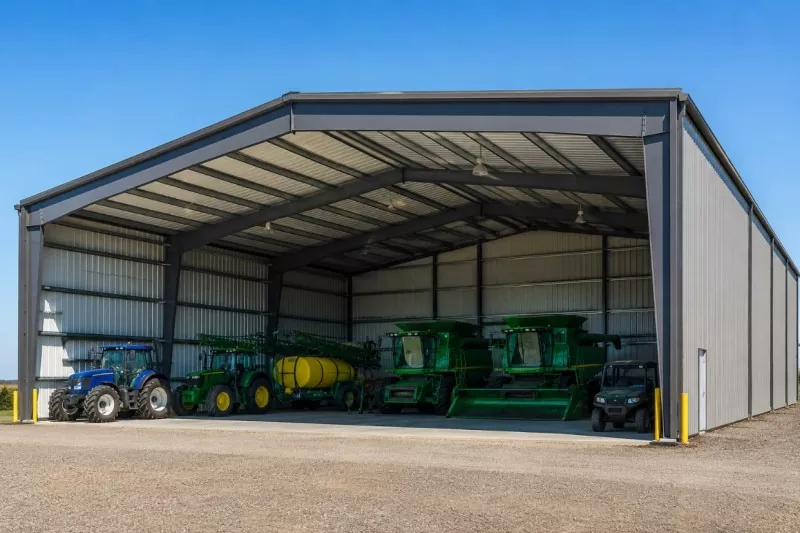
Steel-structured buildings are modern building systems with steel as the main load-bearing framework, combined with lightweight enclosure systems. Prefabricated in factories and assembled on-site, steel components can greatly shorten the construction period. In addition, steel structures feature core strengths including low self-weight, large-span capability, excellent seismic performance, high factory prefabrication rate, fast construction speed, limited on-site work, recyclable materials and easy renovation.
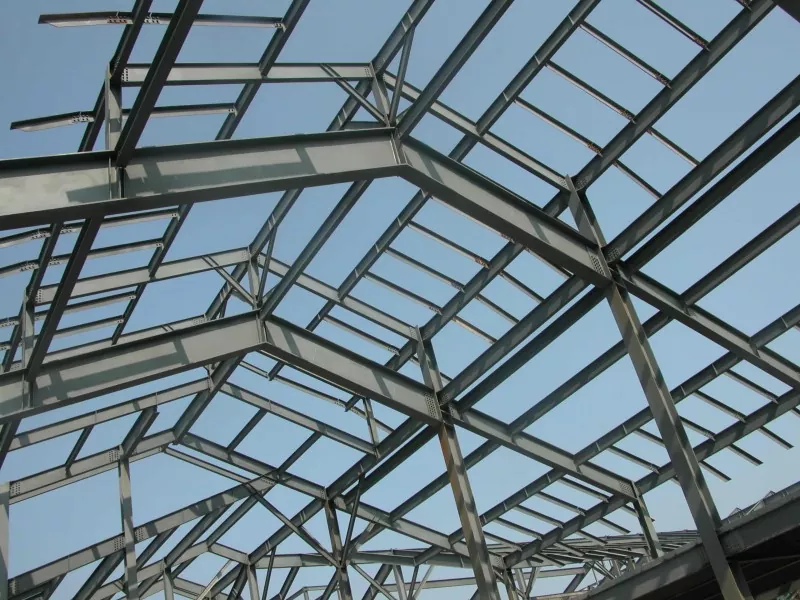
Application and Advantages of Steel Structures in Warehouse Facilities
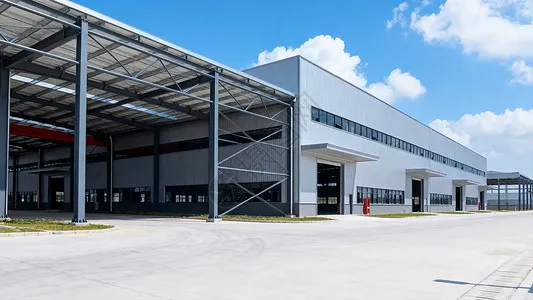
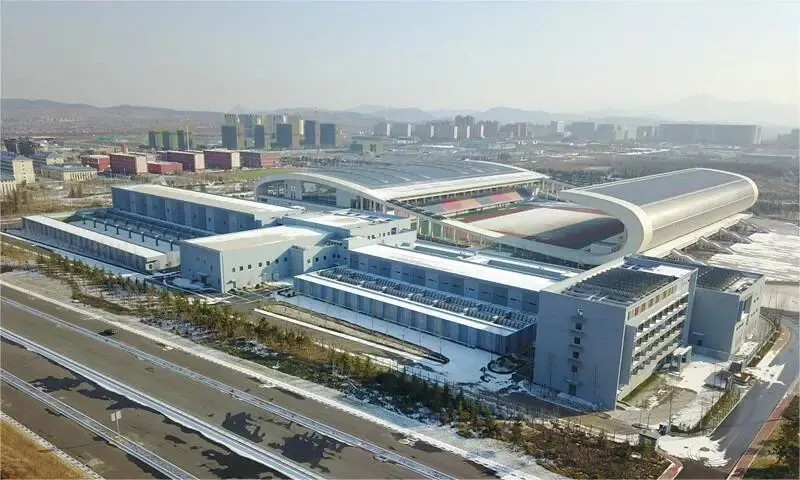
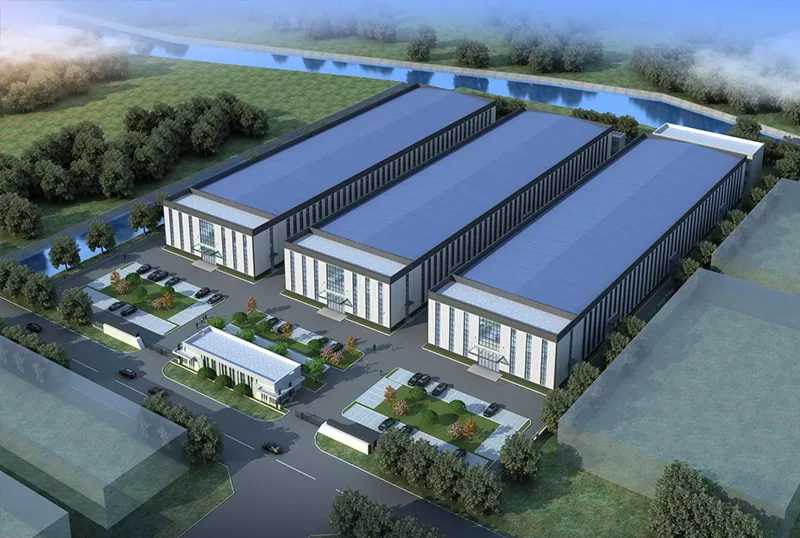
Steel structures are widely applied in various warehouse facilities, including general dry warehouses, distribution centers, automated high-rack warehouses, cold-chain storage facilities, e-commerce sorting centers and multi-story warehouse buildings.
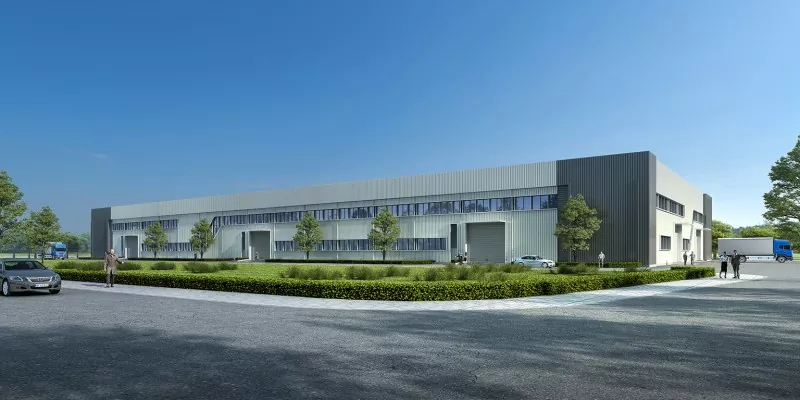
In the construction of warehouse facilities, steel structures possess multiple core advantages and are more suitable for modern warehousing compared with traditional materials. They fundamentally ensure the safety of stored goods, greatly increase storage capacity, adapt to diverse cargo storage requirements, and facilitate cargo handling and equipment access. Steel-structured warehouses feature low long-term maintenance costs and controllable construction costs, better protect stored goods from damage, allow customization of functions, appearances and dimensions, and support multi-purpose use to improve asset utilization efficiency.
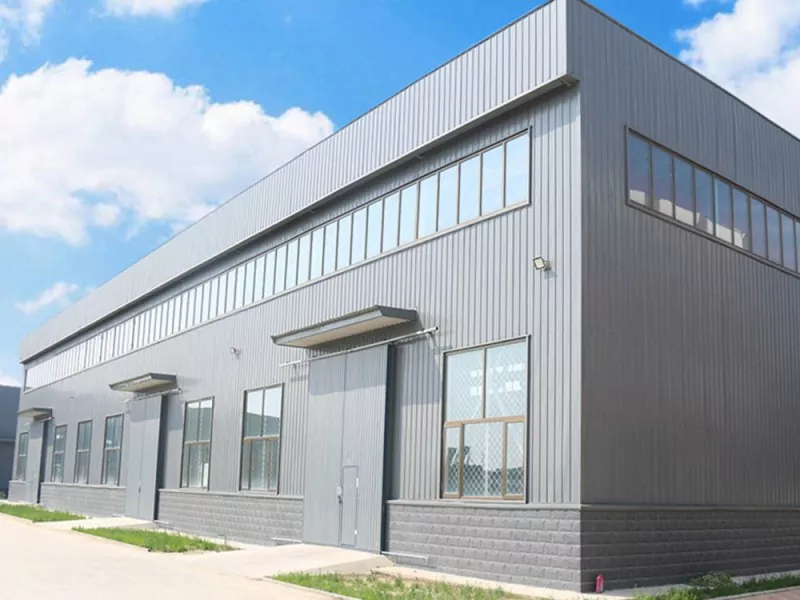
Featuring comprehensive advantages including large-span design, fast construction, low cost, high flexibility and recyclability, steel structures have become the standard solution for modern warehouse facility construction. They account for 80%–95% of the market share in the United States and Europe, with the Chinese market catching up rapidly. For warehouse investors pursuing space efficiency, return on investment and operational flexibility, steel structures are undoubtedly the optimal choice.
Related News
- How to Choose C and Z Purlins for Steel Structure Warehouses?
- Which Residential Projects Are Suitable for Modular Shipping Container Homes?
- What Are the Differences Between Prefabricated Container Motel Construction and Traditional Motels?
- What construction costs can be reduced by using steel structure canteen construction?
- What Are the Application Scenarios of Customized Residential Container Warehouse Construction?
- Recommended Roof Slope Values for Portal Frames and Light Steel Roof Structures
Leave me a message
New Products




News Recommendations