English
- English
- Esperanto
- Afrikaans
- Català
- שפה עברית
- Cymraeg
- Galego
- Latviešu
- icelandic
- ייִדיש
- беларускі
- Hrvatski
- Kreyòl ayisyen
- Shqiptar
- Malti
- lugha ya Kiswahili
- አማርኛ
- Bosanski
- Frysk
- ភាសាខ្មែរ
- ქართული
- ગુજરાતી
- Hausa
- Кыргыз тили
- ಕನ್ನಡ
- Corsa
- Kurdî
- മലയാളം
- Maori
- Монгол хэл
- Hmong
- IsiXhosa
- Zulu
- Yoruba
- অসমীয়া
- ଓଡିଆ
- Punjabi
- پښتو
- Chichewa
- Samoa
- Sesotho
- සිංහල
- Gàidhlig
- Cebuano
- Somali
- Тоҷикӣ
- O'zbek
- Hawaiian
- سنڌي
- Shinra
- Հայերեն
- Igbo
- Sundanese
- Lëtzebuergesch
- Malagasy
- Español
- Português
- русский
- Français
- 日本語
- Deutsch
- tiếng Việt
- Italiano
- Nederlands
- ภาษาไทย
- Polski
- 한국어
- Svenska
- magyar
- Malay
- বাংলা ভাষার
- Dansk
- Suomi
- हिन्दी
- Pilipino
- Türkçe
- Gaeilge
- العربية
- Indonesia
- Norsk
- تمل
- český
- ελληνικά
- український
- Javanese
- فارسی
- தமிழ்
- తెలుగు
- नेपाली
- Burmese
- български
- ລາວ
- Latine
- Қазақша
- Euskal
- Azərbaycan
- Slovenský jazyk
- Македонски
- Lietuvos
- Eesti Keel
- Română
- Slovenski
- मराठी
- Srpski језик

What Are the Ways to Make Air Circulate? How to Select Ventilation Systems for Steel-Structure Workshops
In steel-structure workshop buildings, the selection of ventilation systems is of great importance. A large amount of waste heat, water vapor and harmful gases are generated by operating equipment inside workshops, which will impair the working environment, workers’ safety and production efficiency. This issue will introduce how to realize effective air circulation and how to choose proper ventilation systems.
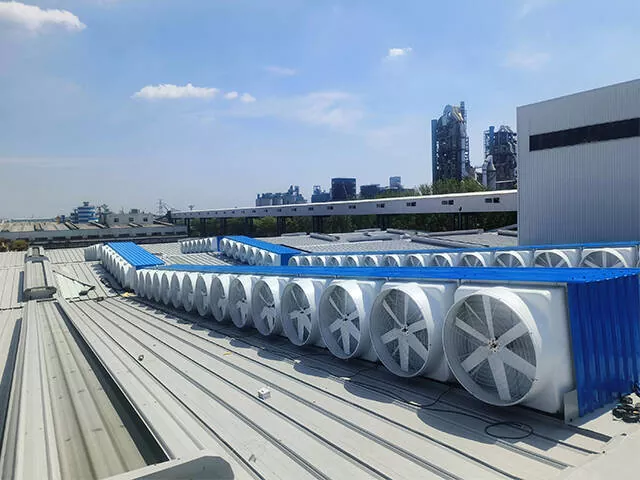
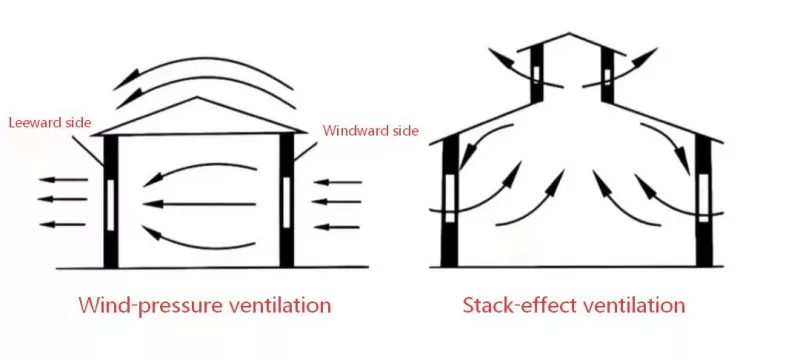
For steel-structure workshops, ventilation solutions fall into two categories: natural ventilation and mechanical ventilation. Natural ventilation draws fresh air through low-level air inlets by stack-effect, or drives horizontal air flow via wind-pressure effect. It requires no electric power and is widely applied. Its main forms include ventilating monitor roof (ventilation skylight), spherical ventilators (wind-driven roof ventilators) and side-wall ventilation windows.
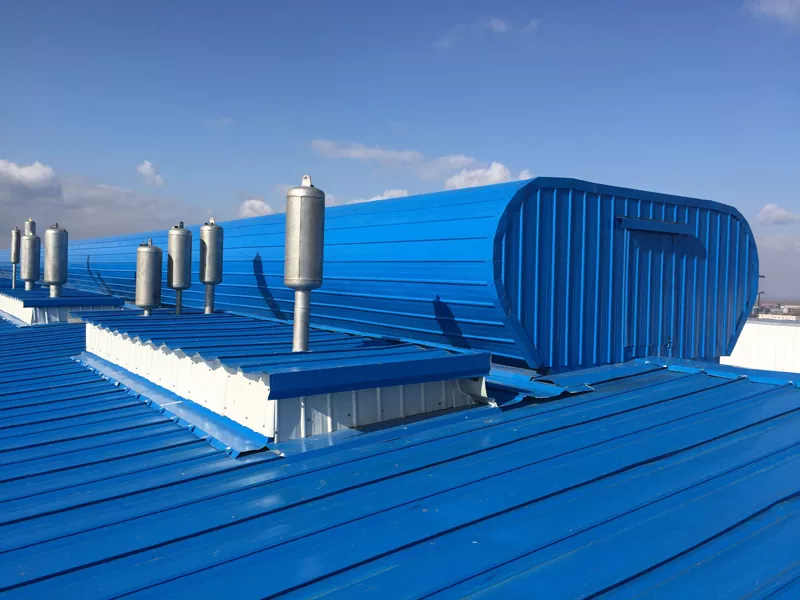
Ventilating monitor roofs (ventilation skylights)
Ventilating monitor roofs (ventilation skylights) are the most commonly-used roof ventilation equipment for large-scale steel-structure workshops. They are mainly composed of steel-structure frames, profiled color steel sheets / FRP daylighting panels, and installed on roof ridges or slopes. Realizing air exchange by stack-effect and wind-pressure effect, they feature simple structure, no power consumption, available daylighting function and long service life. Meanwhile, ventilating monitor roofs are mainly divided into streamlined (curved-shaped) type and slim type. The former is suitable for large-span workshops with high temperature and high humidity, while the latter applies to scenarios with building-height restrictions or low roof load-bearing capacity. Ventilation skylights can also be classified into open-type and operable-closure type. The open-type features unobstructed passage and large ventilation volume yet poor rain-proof performance. The operable-closure type is equipped with electric dampers to adjust ventilation capacity, suitable for thermal-insulation zones in cold regions during winter.
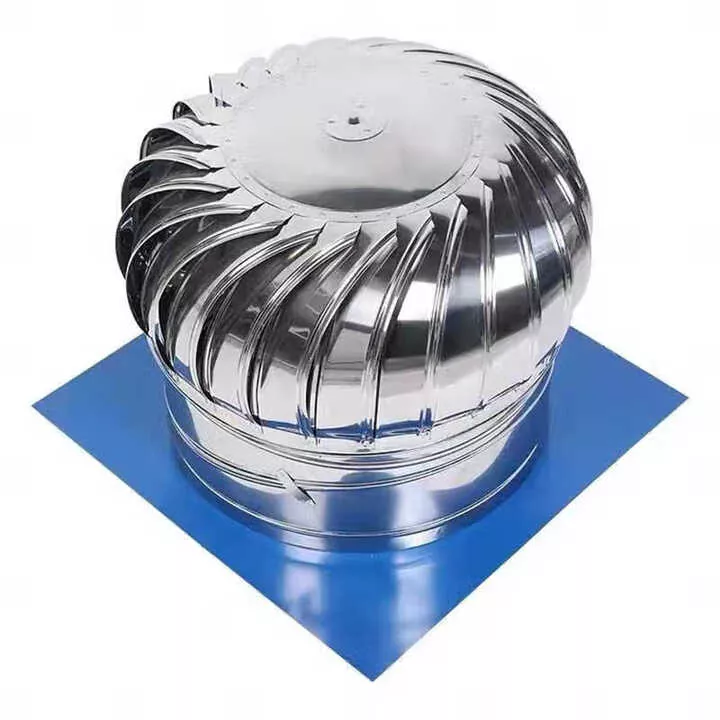
Spherical Ventilator (Wind-Driven Roof Ventilator)
Spherical ventilators (wind-driven roof ventilators) are common small-size roof ventilation devices. They mainly consist of stainless-steel turbine heads, angle-adjustable pipe sections and waterproof base plates, with limited ventilation efficiency.
Side-Wall Ventilation Window
Side-wall ventilation windows are ventilation openings set on steel columns. Cantilever beams and flashing sheets are installed above the windows for rain sheltering and drainage. They feature core advantages of high flexibility, available daylighting function and large-volume air exchange. The height design of air inlets is critical, and different heights shall be considered for different seasons.
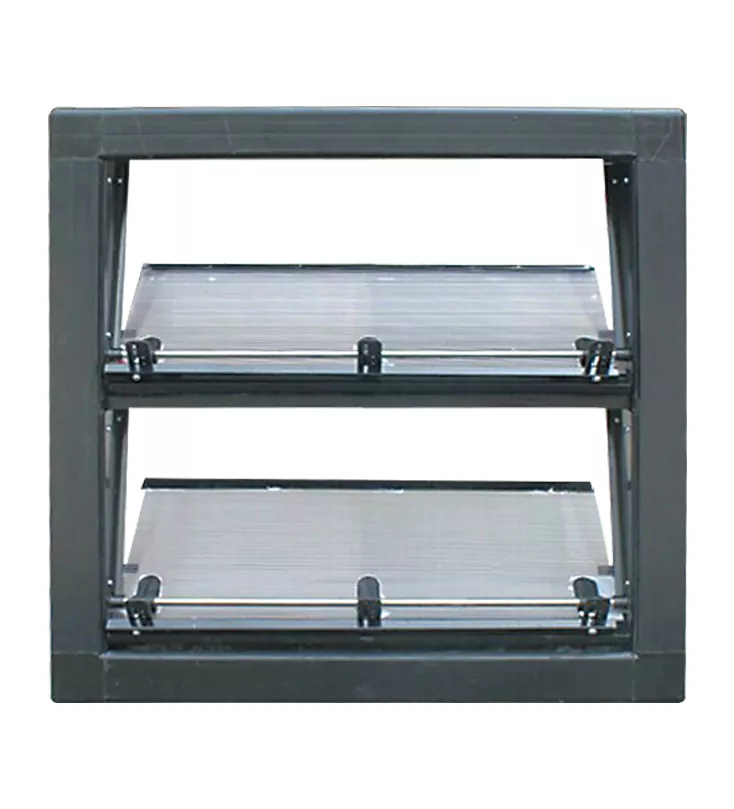
Mechanical ventilation refers to forced air exchange driven by mechanical equipment, which can be installed at any position for active air exhaust and air supply. Mechanical ventilation equipment is normally adopted when natural ventilation is insufficient, mainly including evaporative air coolers, large-diameter industrial ceiling fans, negative-pressure fans, centrifugal fans and axial-flow fans.
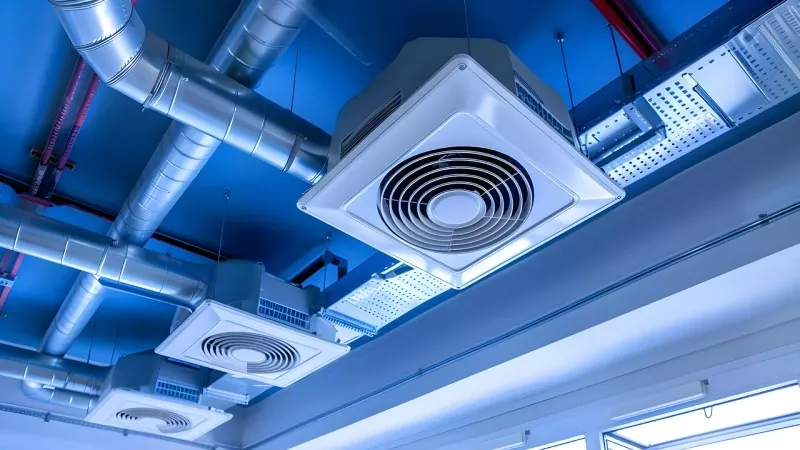
Evaporative air cooler
Evaporative air coolers realize cooling by utilizing the heat-absorbing principle of water evaporation, and are suitable for overall cooling of large-area workshops.
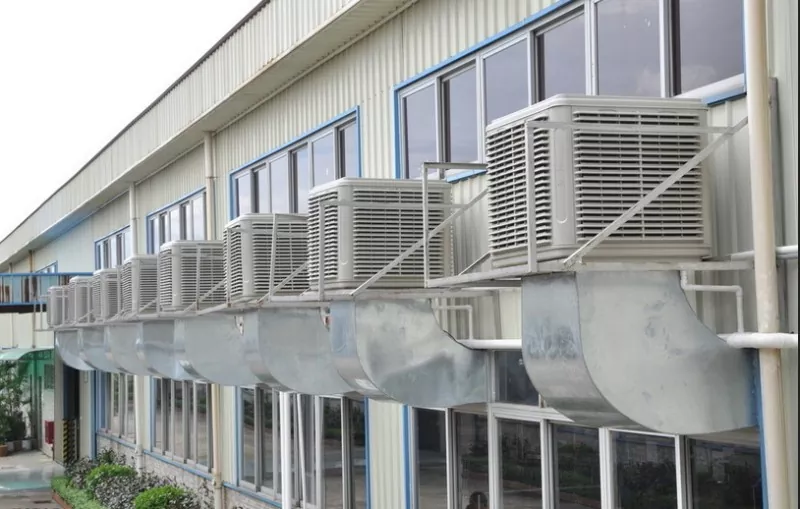
Large-Diameter Industrial Ceiling Fan
Large-diameter industrial ceiling fans mix hot and cold air between upper and lower layers by means of huge fan blades, reducing temperature difference to solve the temperature stratification problem inside steel-structure workshops.
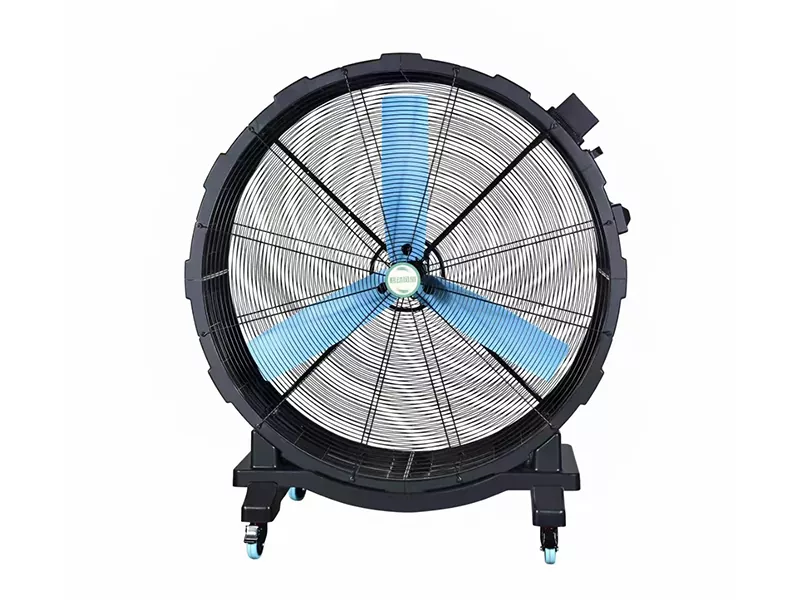
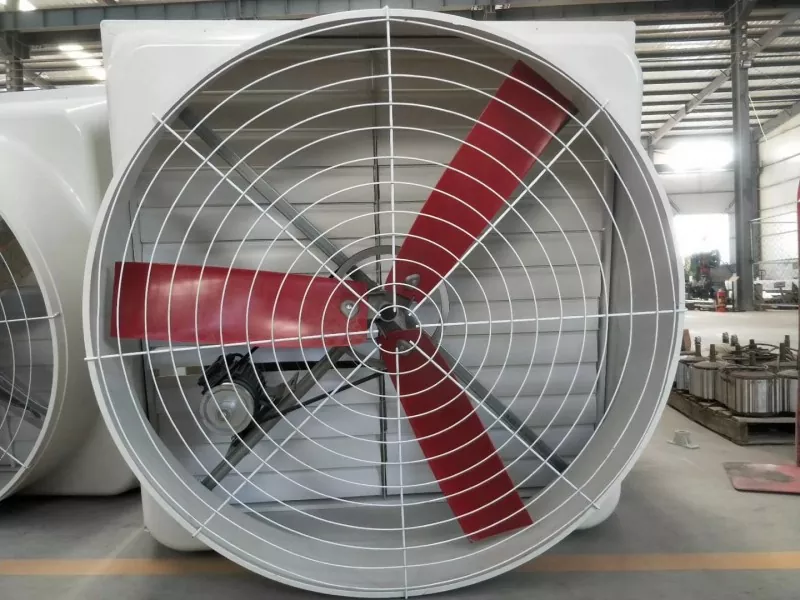
Negative-Pressure Fan
Negative-pressure fans are devices installed on one side of workshops. They force exhaust air to create a negative-pressure zone indoors, which drives natural inflow of outdoor air. Their core advantages include thorough air exchange, low initial investment and low operating energy consumption.
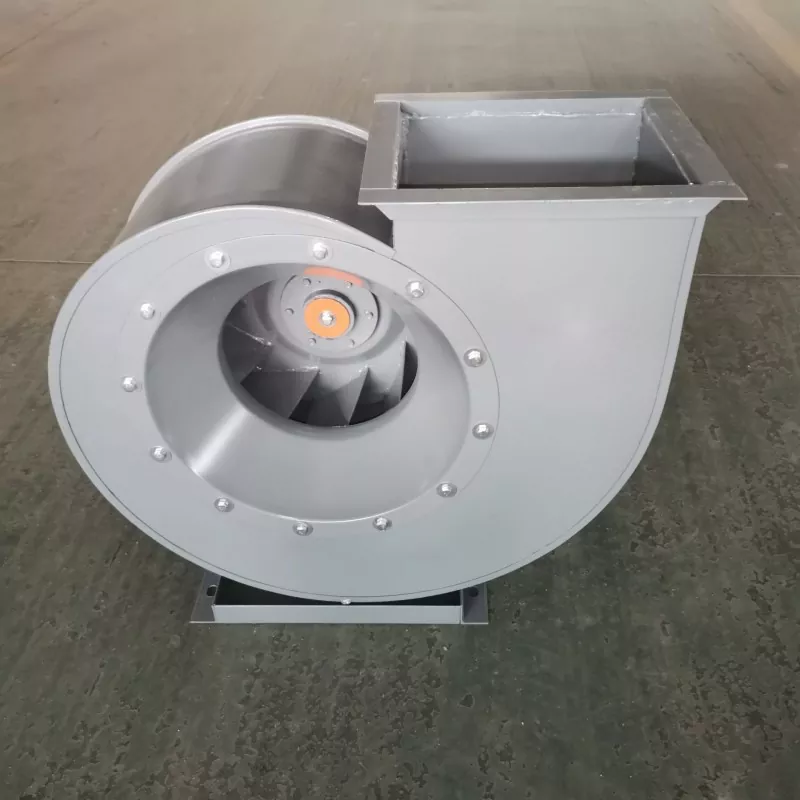
Centrifugal Fan
Centrifugal fans perform work on gas by high-speed rotating impellers, and greatly increase gas pressure through centrifugal force for air exchange. They are suitable for ventilation systems that deliver gas over long distances to designated positions.
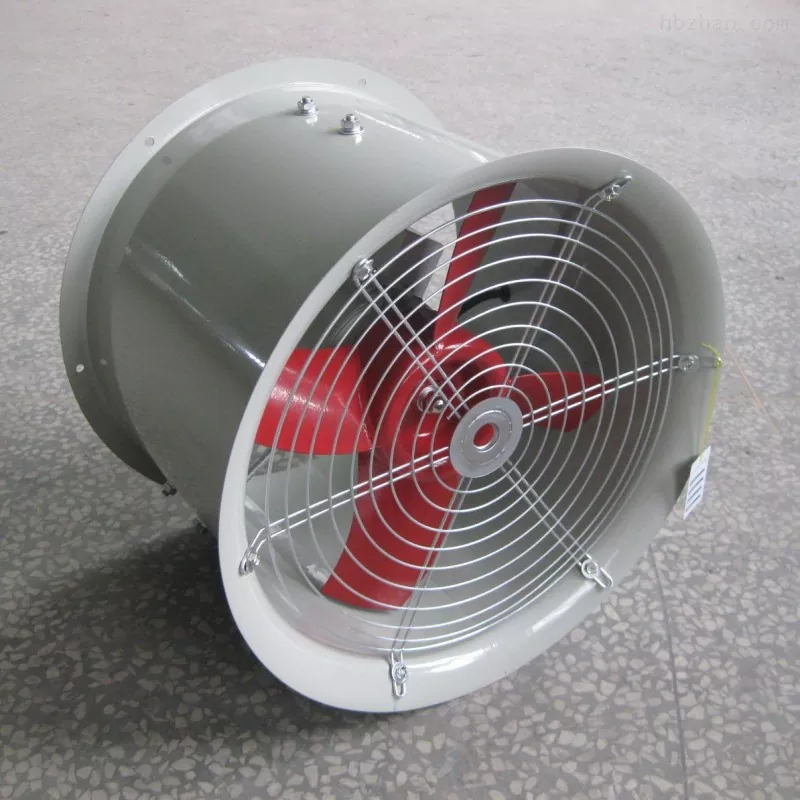
Axial-Flow Fan
Axial-flow fans are mechanical equipment in which gas flows in and out along the axial direction. They feature core advantages of large air volume, low pressure, simple structure and flexible installation.
The selection of ventilation systems for steel-structure workshops is not fixed. In practical projects, a combined solution of natural ventilation as the primary measure supplemented by mechanical ventilation is commonly adopted, which can satisfy ventilation requirements while effectively controlling operational energy consumption.
Related News
- How to Choose C and Z Purlins for Steel Structure Warehouses?
- Which Residential Projects Are Suitable for Modular Shipping Container Homes?
- What Are the Differences Between Prefabricated Container Motel Construction and Traditional Motels?
- What construction costs can be reduced by using steel structure canteen construction?
- What Are the Application Scenarios of Customized Residential Container Warehouse Construction?
- Recommended Roof Slope Values for Portal Frames and Light Steel Roof Structures
Leave me a message
New Products


News Recommendations