English
- English
- Esperanto
- Afrikaans
- Català
- שפה עברית
- Cymraeg
- Galego
- Latviešu
- icelandic
- ייִדיש
- беларускі
- Hrvatski
- Kreyòl ayisyen
- Shqiptar
- Malti
- lugha ya Kiswahili
- አማርኛ
- Bosanski
- Frysk
- ភាសាខ្មែរ
- ქართული
- ગુજરાતી
- Hausa
- Кыргыз тили
- ಕನ್ನಡ
- Corsa
- Kurdî
- മലയാളം
- Maori
- Монгол хэл
- Hmong
- IsiXhosa
- Zulu
- Yoruba
- অসমীয়া
- ଓଡିଆ
- Punjabi
- پښتو
- Chichewa
- Samoa
- Sesotho
- සිංහල
- Gàidhlig
- Cebuano
- Somali
- Тоҷикӣ
- O'zbek
- Hawaiian
- سنڌي
- Shinra
- Հայերեն
- Igbo
- Sundanese
- Lëtzebuergesch
- Malagasy
- Español
- Português
- русский
- Français
- 日本語
- Deutsch
- tiếng Việt
- Italiano
- Nederlands
- ภาษาไทย
- Polski
- 한국어
- Svenska
- magyar
- Malay
- বাংলা ভাষার
- Dansk
- Suomi
- हिन्दी
- Pilipino
- Türkçe
- Gaeilge
- العربية
- Indonesia
- Norsk
- تمل
- český
- ελληνικά
- український
- Javanese
- فارسی
- தமிழ்
- తెలుగు
- नेपाली
- Burmese
- български
- ລາວ
- Latine
- Қазақша
- Euskal
- Azərbaycan
- Slovenský jazyk
- Македонски
- Lietuvos
- Eesti Keel
- Română
- Slovenski
- मराठी
- Srpski језик

Securing Three International "Passports" in Half a Year: How Eihe Steel‑Structure Expands into the Belt and Road Markets?
On the wall in the office of Liu Jie, Chairman of Qingdao Eihe Steel Structure Group, eight wall clocks are lined up, displaying local times for Morocco, Algeria, Egypt, Saudi Arabia and other countries and regions. For Liu Jie, glancing at these clocks is like being physically present at the company’s project sites in those territories. “Looking at these clocks every day gives me a strong sense of urgency that time waits for no one,” Liu Jie remarked.
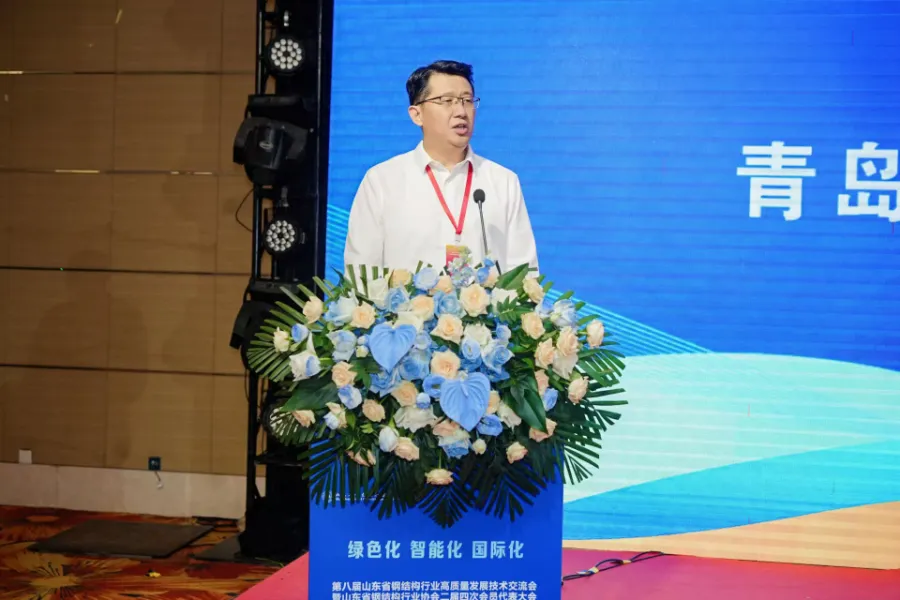
"Going global is not an optional choice, but an inevitable requirement."
On the first working day after the 2025 New-Year holiday, Liu Jie designated "overseas market development" as one of the five key annual priorities at the company’s kick-off ceremony. "2025 marks the first year for our company to explore overseas markets. We shall go global in full swing under the Belt and Road Initiative." This decision was not made on impulse. In 2024, Liu Jie led an inspection team on field research trips to Central Asia, South America, Southeast Asia and other regions. He found that Southeast Asia, North Africa and other areas have strong demand for upgrading infrastructure and industrial supporting facilities, yet they are relatively weak in high-end steel-structure construction and prefabricated building technologies, leaving huge market gaps. Meanwhile, competition in China’s domestic steel-structure industry has become increasingly fierce. "To achieve high-quality development, enterprises cannot be confined to the domestic market and must take the initiative to participate in global competition."
Securing Three "Passports" within Half a Year
Once the strategy was set, swift action followed. Eihe Steel Structure first restructured its international trade department by assigning outstanding talents to front-line positions and promptly launched international certification procedures. With support from organizations including the Steel & Wood Building Branch of China Construction Industry Association, the company obtained US ASTM standard certification, Singapore SI qualification and international SGS product certification in just over half a year. It also hosted the national seminar on Japanese-standard certification for steel-wood building industry, paving the way for its expansion into international markets.
Two Regional Offices for Strategic Layout across Asia and Africa
Possessing international certifications requires practical footholds for business implementation. Eihe Steel Structure has set up two regional offices in Morocco and Malaysia, building a business network covering Africa and Southeast Asia. In the North-African market, Greenville Steel-Structure Workshop, the first project undertaken by the Morocco office, is in full construction phase, delivering full-range services including main-body design, prefabrication and on-site installation. In Egypt, the company secured the contract for the factory project of Lead New Material, further consolidating its business foundation in North Africa. For the Southeast-Asian market, the Malaysia office is actively engaging with local infrastructure and industrial projects. The steel-structure project for Gangyang Industry (Thailand) plant has commenced construction. International trade business is advancing simultaneously. Steel-structure products have been exported to Thailand, the Democratic Republic of the Congo and other regions. The successful delivery of the DRC project has validated the adaptability and competitiveness of Eihe Steel Structure’s products under complex operating conditions.
"Deliver One Project, Cultivate One Market"
Within less than two years, Eihe Steel Structure’s overseas business has grown from scratch, evolving from tentative exploration to in-depth market cultivation. Liu Jie sums up its experience in four dimensions: Prioritize standards and empower business with certifications to obtain international "passports"; Enhance service capacity by providing one-stop solutions ranging from design to operation and maintenance; Adopt targeted layout and localized development, focusing on rigid-demand markets along the Belt and Road Initiative instead of blind expansion; Prioritize quality and build reputation via benchmark projects, so as to realize the goal of "delivering one project, cultivating one market and building brand influence locally".
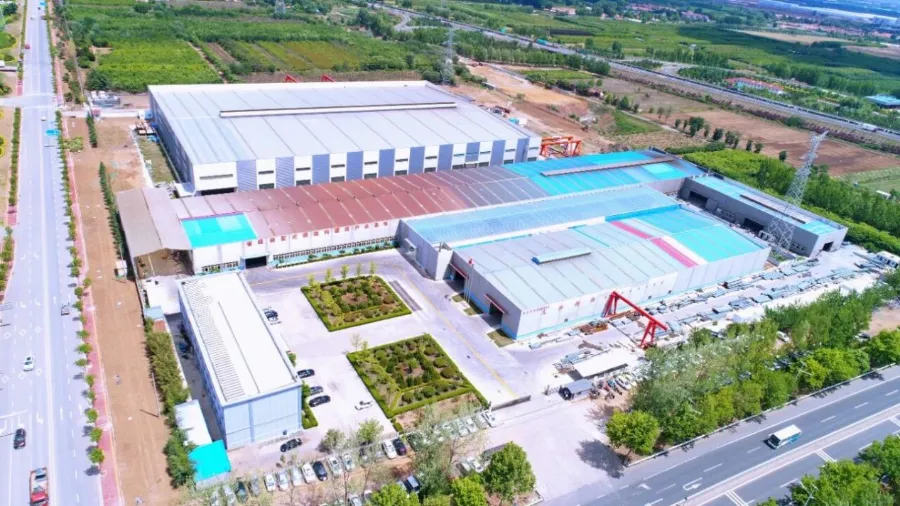
Eihe Steel Structure has formulated a clear development roadmap: "We will gradually expand our business to more than a dozen key emerging-market countries across Southeast Asia, Africa and Latin America. The company aims to transform from a major domestic steel-structure enterprise into an international comprehensive service provider for prefabricated steel-structure buildings, and polish the brand of Qingdao-made and China-made products on the global market."
Related News
- Review of Project Cases | Jinkou Kindergarten Project — The First EPC Prefabricated Steel‑Structure Building in Jimo District
- Construction Process Standards for Steel Structures (Steel Frames)
- Where Does Eihe Steel-Structure’s "Hard-core Competitiveness" Stem From, Ranking No.1 among Qingdao Peers?
- National Day Greetings from Eihe Steel Structure
- Successful First Hoisting! The Asia Pacific Morocco Project Undertaken by Eihe Steel
- Qualification Renewal Approved! Eihe Steadily Expands Global Market Footprint
Leave me a message