English
- English
- Esperanto
- Afrikaans
- Català
- שפה עברית
- Cymraeg
- Galego
- Latviešu
- icelandic
- ייִדיש
- беларускі
- Hrvatski
- Kreyòl ayisyen
- Shqiptar
- Malti
- lugha ya Kiswahili
- አማርኛ
- Bosanski
- Frysk
- ភាសាខ្មែរ
- ქართული
- ગુજરાતી
- Hausa
- Кыргыз тили
- ಕನ್ನಡ
- Corsa
- Kurdî
- മലയാളം
- Maori
- Монгол хэл
- Hmong
- IsiXhosa
- Zulu
- Yoruba
- অসমীয়া
- ଓଡିଆ
- Punjabi
- پښتو
- Chichewa
- Samoa
- Sesotho
- සිංහල
- Gàidhlig
- Cebuano
- Somali
- Тоҷикӣ
- O'zbek
- Hawaiian
- سنڌي
- Shinra
- Հայերեն
- Igbo
- Sundanese
- Lëtzebuergesch
- Malagasy
- Español
- Português
- русский
- Français
- 日本語
- Deutsch
- tiếng Việt
- Italiano
- Nederlands
- ภาษาไทย
- Polski
- 한국어
- Svenska
- magyar
- Malay
- বাংলা ভাষার
- Dansk
- Suomi
- हिन्दी
- Pilipino
- Türkçe
- Gaeilge
- العربية
- Indonesia
- Norsk
- تمل
- český
- ελληνικά
- український
- Javanese
- فارسی
- தமிழ்
- తెలుగు
- नेपाली
- Burmese
- български
- ລາວ
- Latine
- Қазақша
- Euskal
- Azərbaycan
- Slovenský jazyk
- Македонски
- Lietuvos
- Eesti Keel
- Română
- Slovenski
- मराठी
- Srpski језик

Industry News
 29 2026-07
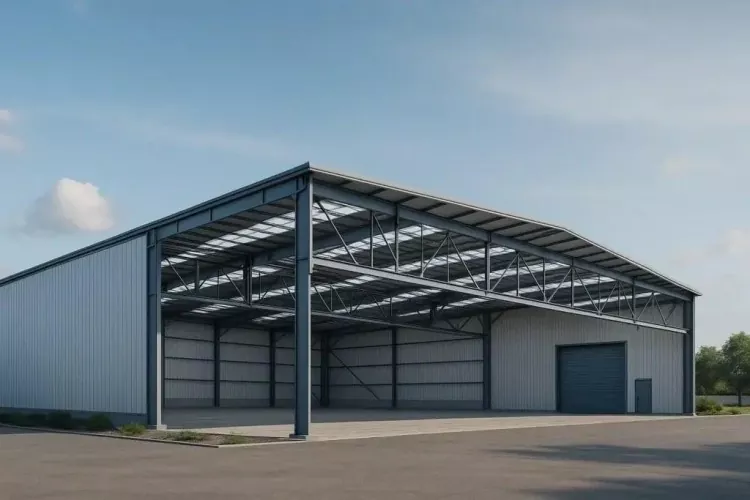
Single-Span and Multi Span Steel Structure Warehouse Construction: Which One Is More Suitable for Your Project?
With the rapid development of global logistics and industrial construction, steel structure warehouses have become the preferred choice for modern industrial buildings due to their stability, large space, and fast construction speed. However, when an enterprise selects a steel structure warehouse, there is a problem that needs to be considered: should it choose a Multi span steel structure warehouse construction or a single-span steel structure warehouse construction?
 28 2026-07
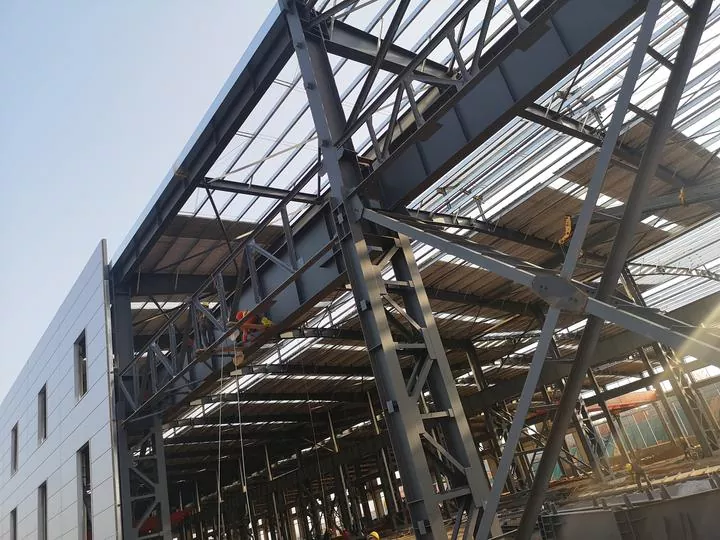
8 Advanced Technical Questions About Steel Structure Design and Failure Analysis
In the previous volume, we explained seven fundamental concepts including slenderness ratio, diaphragm effect, shear lag and deflection limit, focusing on basic topics such as member stability, load transfer and component classification. As the second volume of this professional steel structure Q&A series, this article continues the previous content and delves deeper into specialized subjects covering design methodologies, material properties and failure mechanisms, including plastic design, utilization of post-buckling strength, second-order analysis, Bauschinger effect and brittle fracture.
 27 2026-07
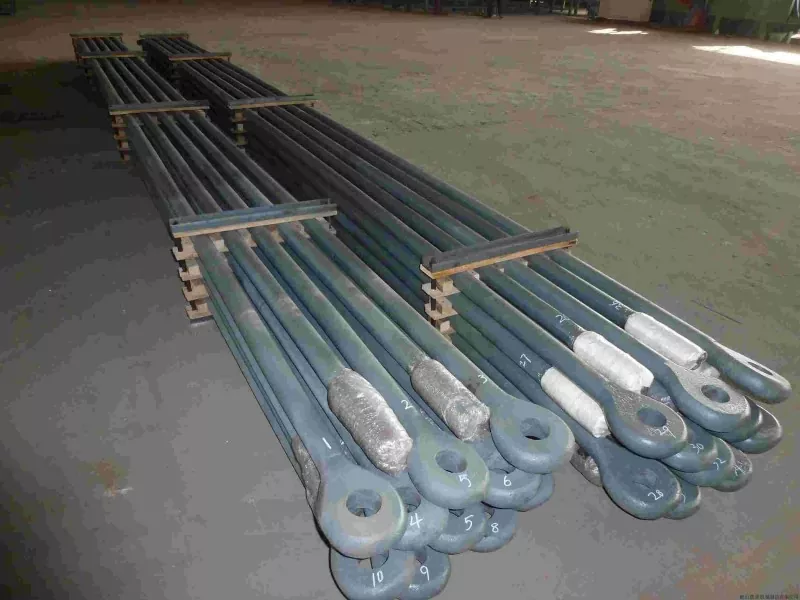
5 Common Steel Structure Engineering Questions and Technical Answers
The design, fabrication and on-site construction of steel structure engineering involve numerous professional mechanical concepts, component parameters and structural classifications. During daily drawing detailing, load checking and scheme comparison, many practitioners often have doubts about various technical terms, mechanical effects and the selection criteria of structural members.
 24 2026-07
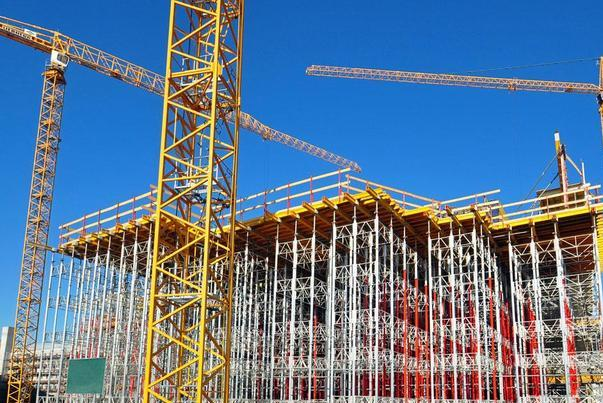
Installation Methods of Steel Structures
With outstanding advantages such as high strength, light self-weight, high industrialization level and short construction period, steel structures have become the core structural form of modern industrial plants, large public buildings and super high-rise buildings.
 23 2026-07
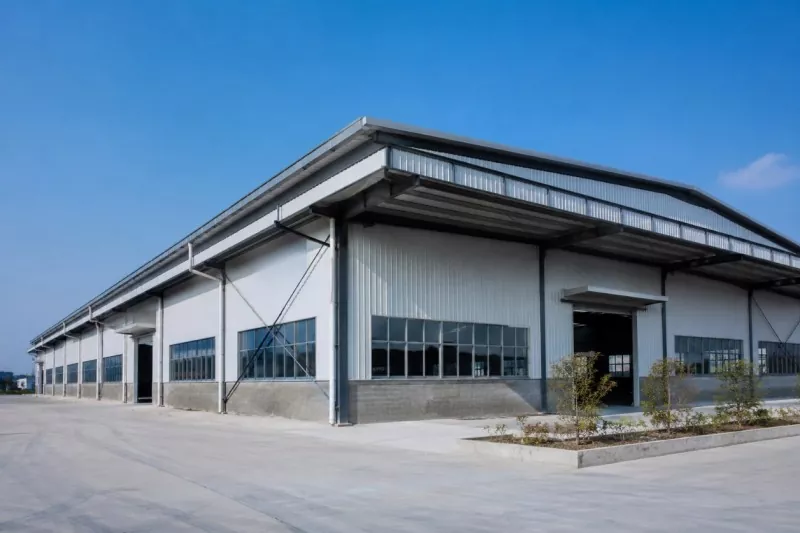
How to Design a Highly Efficient Steel Structure Agricultural Processing Plant Construction?
With the development of agricultural technology in the 21st century, today's agricultural product processing has moved from initial processing to refined deep processing, and has already formed a large-scale and intensive model. The expansion of market size and the upgrading of equipment have made traditional agricultural processing plants unable to improve production efficiency.
 22 2026-07
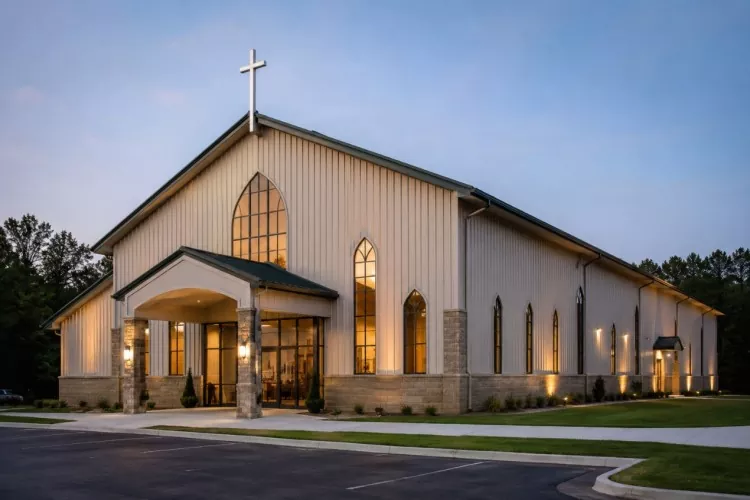
How to Create a Column-Free Worship Space in a Portal Frame Church Construction Building?
In contemporary church architectural design, the most important design lies in providing the congregation with a spacious and sheltered worship area. How to enable the congregation's gaze to focus unobstructedly on the altar while maintaining the religious decoration style is the core challenge that architects need to face.