English
- English
- Esperanto
- Afrikaans
- Català
- שפה עברית
- Cymraeg
- Galego
- Latviešu
- icelandic
- ייִדיש
- беларускі
- Hrvatski
- Kreyòl ayisyen
- Shqiptar
- Malti
- lugha ya Kiswahili
- አማርኛ
- Bosanski
- Frysk
- ភាសាខ្មែរ
- ქართული
- ગુજરાતી
- Hausa
- Кыргыз тили
- ಕನ್ನಡ
- Corsa
- Kurdî
- മലയാളം
- Maori
- Монгол хэл
- Hmong
- IsiXhosa
- Zulu
- Yoruba
- অসমীয়া
- ଓଡିଆ
- Punjabi
- پښتو
- Chichewa
- Samoa
- Sesotho
- සිංහල
- Gàidhlig
- Cebuano
- Somali
- Тоҷикӣ
- O'zbek
- Hawaiian
- سنڌي
- Shinra
- Հայերեն
- Igbo
- Sundanese
- Lëtzebuergesch
- Malagasy
- Español
- Português
- русский
- Français
- 日本語
- Deutsch
- tiếng Việt
- Italiano
- Nederlands
- ภาษาไทย
- Polski
- 한국어
- Svenska
- magyar
- Malay
- বাংলা ভাষার
- Dansk
- Suomi
- हिन्दी
- Pilipino
- Türkçe
- Gaeilge
- العربية
- Indonesia
- Norsk
- تمل
- český
- ελληνικά
- український
- Javanese
- فارسی
- தமிழ்
- తెలుగు
- नेपाली
- Burmese
- български
- ລາວ
- Latine
- Қазақша
- Euskal
- Azərbaycan
- Slovenský jazyk
- Македонски
- Lietuvos
- Eesti Keel
- Română
- Slovenski
- मराठी
- Srpski језик




Cold Formed Steel Construction
Cold Formed Steel Construction is a light steel structural building system in which steel materials are processed into standardized profiles through cold forming. This product developed by us is suitable for economical buildings and is most widely applied in residential houses. As a manufacturer focusing on steel structure fabrication as its core business, EIHE Steel Structure (EHSS) provides a full range of diversified services based on this core business.
Cold Formed Steel Construction adopts cold forming technology to produce thin-walled steel sections, which are then fabricated into steel structural components. The building system that takes such steel components as the core load-bearing structure of buildings refers to the cold-formed thin-walled steel building system.
Products manufactured in this way feature unique advantages including high component precision, light self-weight and material conservation. Meanwhile, as a type of steel structure product, it applies the construction mode of factory prefabrication and on-site assembly, and shares many other superiorities of steel structures.
● Core Advantages of Cold Formed Steel Construction
✔ High section efficiency: The moment of inertia increases by 0.5 to 3.0 times.
✔ Steel saving: It saves 30%-50% steel compared with conventional steel structures.
✔ Diverse specifications: Uniform wall thickness and flexible shapes, capable of manufacturing complex sections.
✔ Dimensional accuracy: Roll forming process ensures high consistency and repeatability.
✔ Light weight and high strength: Steel consumption ≤ 35kg/㎡.
✔ Excellent seismic performance: Meets the seismic fortification requirement of intensity 9.
✔ Industrial production: Manufactured by automated production lines.
✔ Eco-friendly design: Energy-saving, land-saving and material-saving.
The cold forming technology adopted by Cold Formed Steel Construction is contrary to hot rolling forming technology. The production of cold-formed steel sections requires no heating process, and boasts distinct differences and remarkable advantages compared with hot rolling.
|
Difference |
Cold-formed Steel Section |
Hot-rolled Steel Section |
|
Forming Temperature |
Normal temperature |
High temperature |
|
Steel Thickness |
0.6-20mm |
≥3mm |
|
Section Form |
Complex and flexible |
Standardized |
|
Radius of Gyration under the Same Sectional Area |
Increased by 50%-60% |
Benchmark |
|
Moment of Inertia under the Same Sectional Area |
Increased by 0.5-3.0 times |
Benchmark |
|
Material Utilization Rate |
High |
Relatively low |
|
Production Energy Consumption |
Low |
High |
|
Minimum Batch |
Flexible |
Mass production |
|
Typical Application |
Light steel keels, purlins, trusses |
Heavy steel beams and columns |
It can be seen from the above comparison that our Cold Formed Steel Construction adopts cold-formed steel sections as the main load-bearing materials, making it more suitable for low-rise buildings, economical buildings, residential buildings and other similar project types. In contrast, hot-rolled steel, with superior bulk performance, structural mass and forming performance, is more applicable to industrial buildings, large public facilities and structures requiring high load capacity. In addition, our products also feature unique advantages compared with traditional building forms.
|
Comparison |
Cold Formed Steel Construction |
Ordinary Steel Structure |
Concrete Structure |
Wood Structure |
|
Steel Consumption |
25-35kg/㎡ |
50-120kg/㎡ |
— |
— |
|
Material Thickness |
0.6-6mm |
≥6mm |
— |
— |
|
Self-weight |
Lightest |
Light |
Heavy |
Light |
|
Industrialization Degree |
Highest |
High |
Low |
Medium |
|
Construction Speed |
Fastest |
Fast |
Slow |
Medium |
|
Seismic Performance |
Excellent |
Excellent |
Good |
Good |
|
Design Flexibility |
High |
Relatively High |
Low |
Medium |
|
Material Recycling |
100% Recyclable |
100% Recyclable |
Non-recyclable |
Recyclable |
|
Anti-corrosion Requirement |
High |
High |
— |
High |
|
Applicable Storey Height |
≤ 6 Floors |
Unlimited |
Unlimited |
≤ 3 Floors |
Cold Formed Steel Construction adopts the cold-formed thin-walled steel structure system with a wide range of applicable scenarios, mainly including:
▷ Residential Buildings: Villas, townhouses, multi-storey apartments
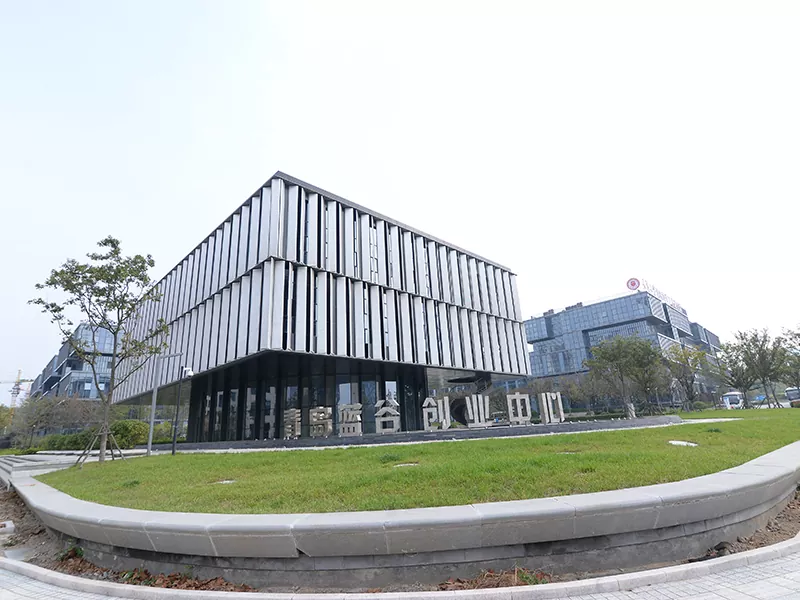
▷ Public Buildings: Schools, kindergartens, community centers
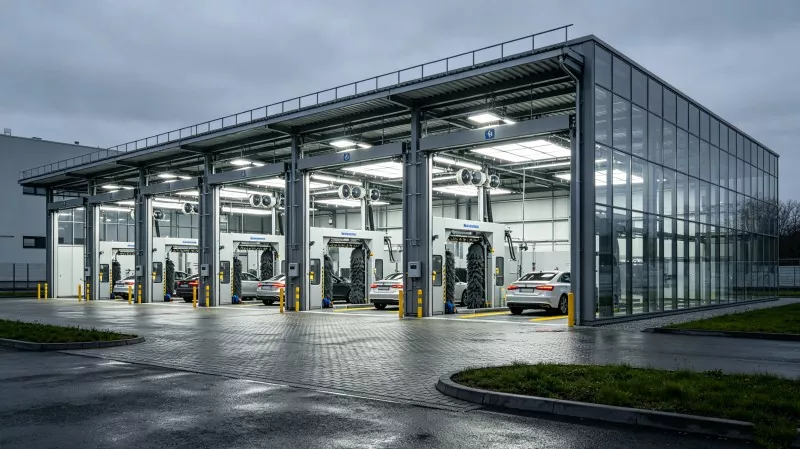
▷ Commercial Buildings: Office buildings, stores, sales offices
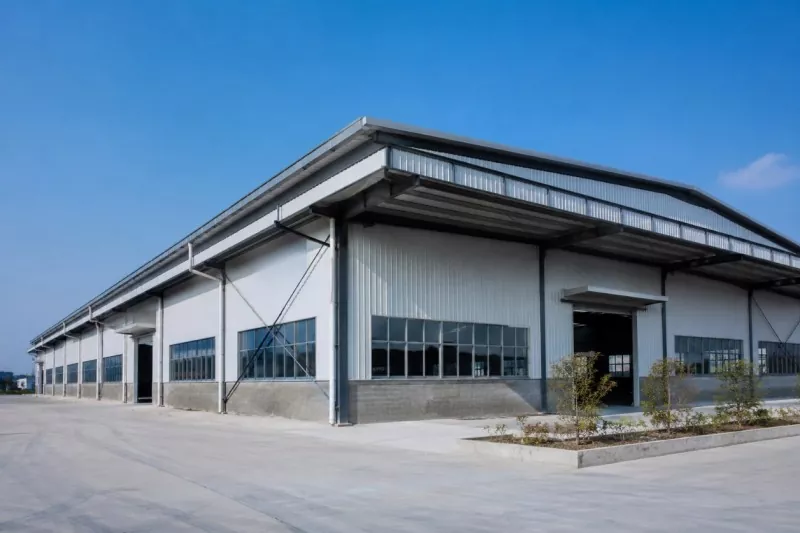
▷ Industrial Buildings: Light-duty factories, warehouses, agricultural facilities
▷ Cultural & Tourism Buildings: Homestays, resorts, camps
▷ Emergency Buildings: Post-disaster resettlement housing, temporary facilities
Packaging and Delivery
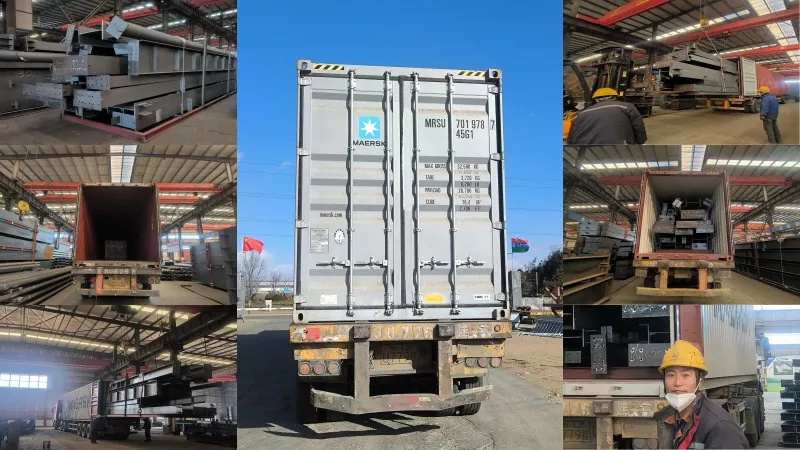
Your Cold Formed Steel Construction components are mainly delivered in bare packaging, bundled with steel frames and steel strips with both ends aligned. Product related information is marked on the section of each component to facilitate checking and packaging.
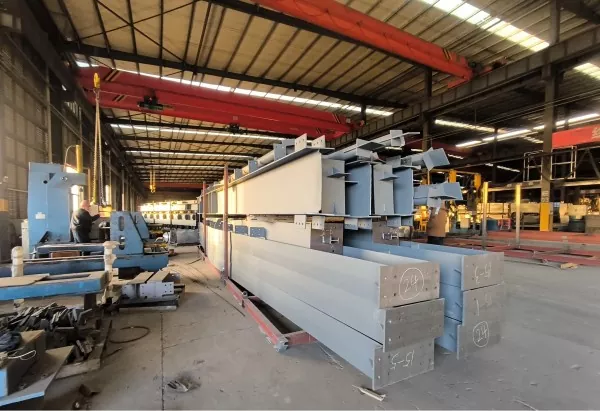
At normal transit speed for container trailers, 40HC containers can be loaded with 8 shipments per day. Loading is accompanied by documents such as the packing list. All containers are sealed with customs locks before factory dispatch. We strictly control every detail throughout the shipment process of Cold Formed Steel Construction components and keep relevant documents on file for inspection at any time.
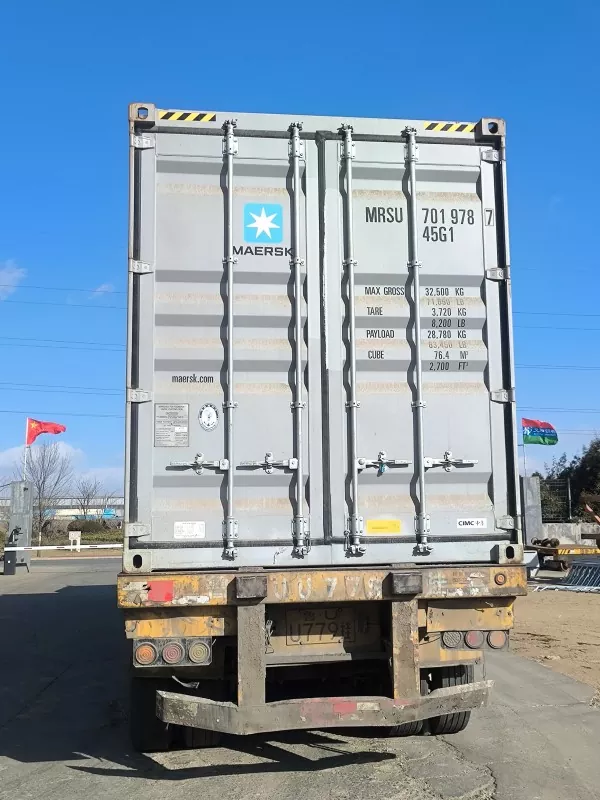
Lastly, the Cold Formed Steel Construction components will be delivered to the construction site by sea transportation, with professional technicians providing on-site installation services.
Send Inquiry
Contact Info
-
Address
No. 568, Yanqing First Class Road, Jimo High-tech Zone, Qingdao City, Shandong Province, China
-
Tel
-
Email
Welcome to our website! For inquiries about steel frame building, steel structure warehouse, school steel building or price list, please leave your email to us and we will be in touch within 24 hours.
Related Products


News Recommendations